Renovating Around the Weather: Smart Design Choices for Singapore’s Heat and Humidity
Renovating for Singapore’s Heat and Humidity: Smart Design Choices That Keep Your Home Cooler and More Comfortable
Singapore homes deal with heat and humidity all year round, so renovation decisions here are not just about looks. They directly affect how comfortable your home feels, how often you rely on air conditioning, and how much effort you spend on maintenance.
For HDB flats and condos especially, where layouts are compact and airflow can vary a lot between units, small design choices can make a noticeable difference in daily living.
Why Singapore’s Climate Should Shape Your Renovation Decisions
Before thinking about finishes or furniture, it helps to understand how Singapore’s weather quietly influences your home environment. Heat and humidity are constant, which means materials, layouts, and even storage choices are always under stress.
This is why some homes feel stuffy and prone to mould while others stay relatively comfortable with less effort. It often comes down to design decisions made during renovation.
What constant heat and humidity do to everyday living spaces
In Singapore, moisture in the air is high almost every day. This leads to common issues like condensation on windows, damp corners in bedrooms, and mould growth in poorly ventilated areas.
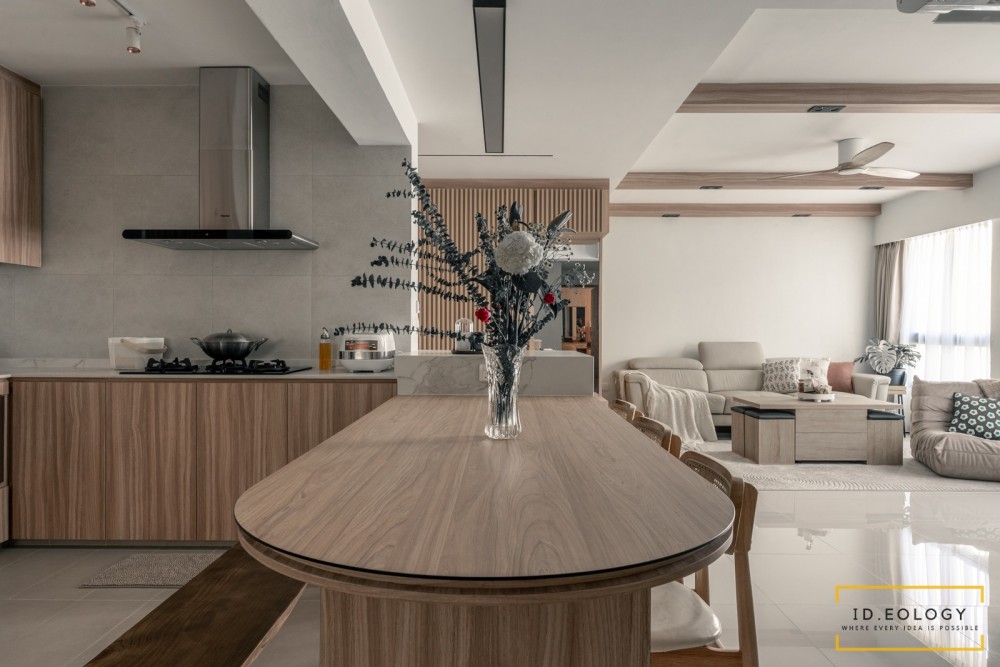
Dakota One ($68,000) by Starry Homestead Pte Ltd
Over time, this also affects materials. Wood can swell, paint can bubble, and cheap laminates may start peeling sooner than expected. Even clothing and bedding can feel slightly damp if storage spaces are not well managed.
The key point is that these are not occasional problems. They are ongoing conditions that your home has to be designed for from the start.
Common renovation mistakes in Singapore homes
One common mistake is prioritising a fully sealed, air conditioned space without thinking about airflow when the aircon is off. This can make rooms feel stale and trap moisture inside.
Another issue is choosing materials based purely on appearance. Some finishes look good in showrooms but do not handle humidity well in real homes, especially in HDB flats where ventilation is more limited.
Layout decisions also matter. Blocking windows with built-in carpentry or overfilling spaces with bulky furniture can reduce natural airflow, making the home feel warmer than it actually is.
Choosing Materials That Can Handle Heat and Humidity
Once you understand the climate, material selection becomes one of the most important parts of renovation. The goal is not just durability but also stability in a humid environment where expansion, moisture, and temperature changes are constant.
Good material choices reduce maintenance headaches and help your home age more gracefully.
Flooring choices that stay stable in tropical weather
Flooring takes up the most surface area in a home, so it plays a big role in how comfortable a space feels. In Singapore, common options include tiles, vinyl, and engineered wood.
Tiles are still one of the most reliable choices because they are resistant to moisture and easy to clean. They also stay cool underfoot, which helps in hot weather.
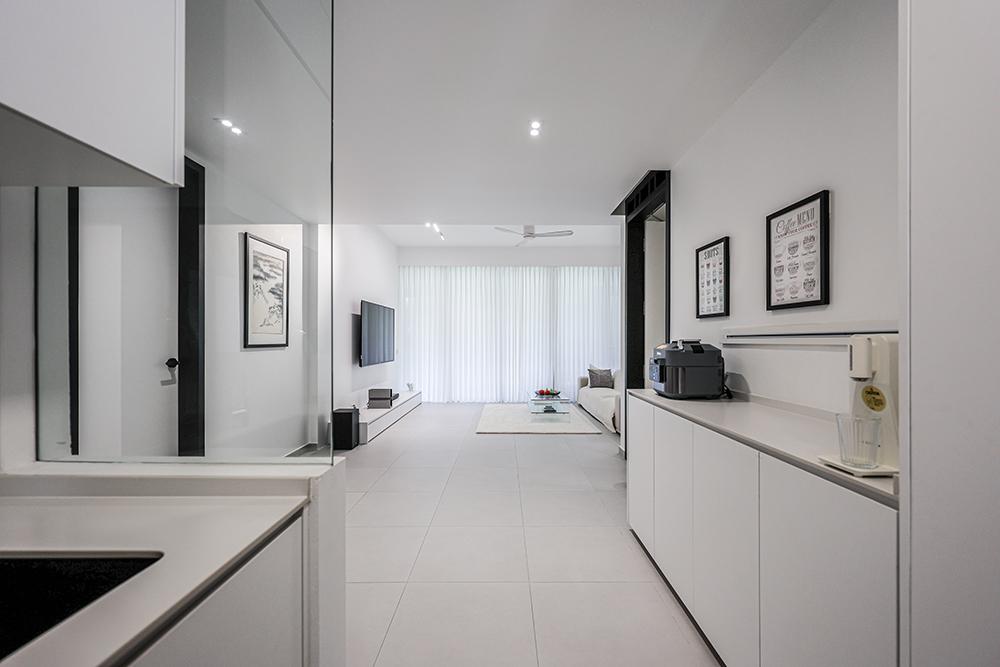
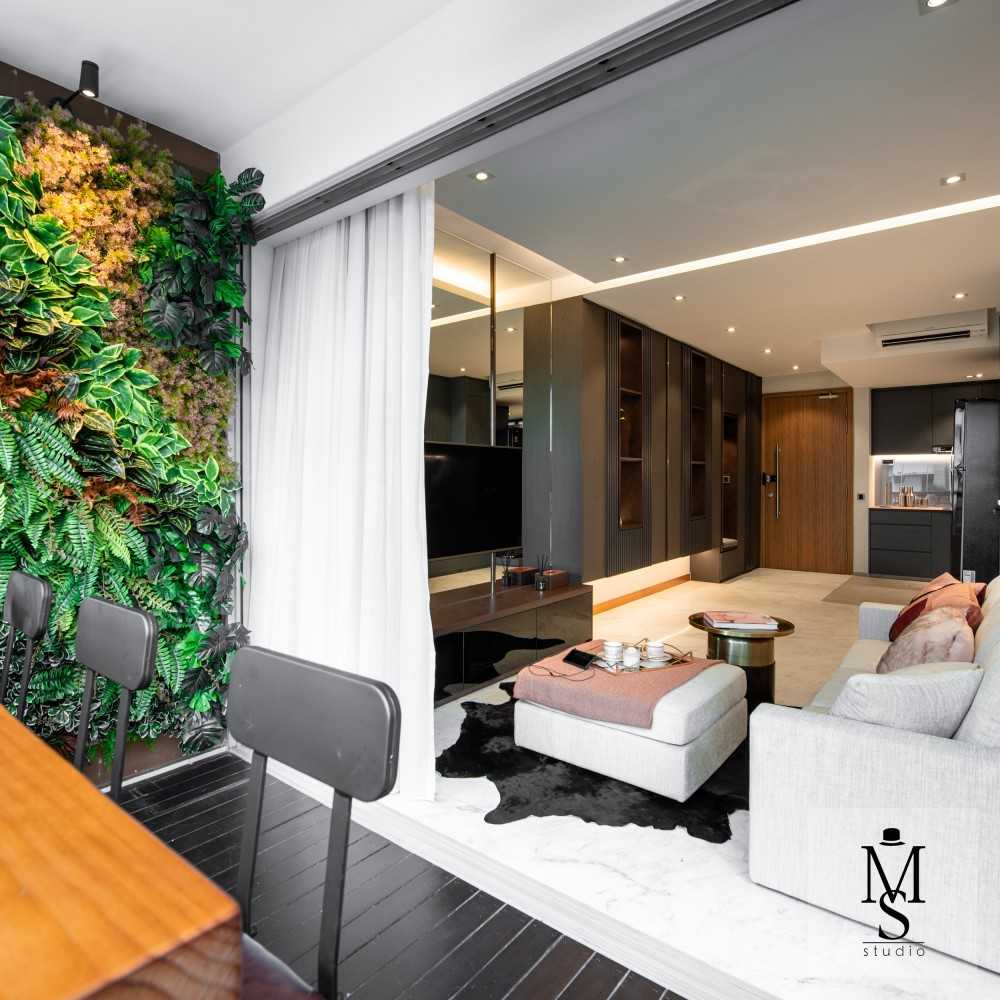
Breeze at The East ($78,000) by Noble Interior Design
Over time, this also affects materials. Wood can swell, paint can bubble, and cheap laminates may start peeling sooner than expected. Even clothing and bedding can feel slightly damp if storage spaces are not well managed.
The key point is that these are not occasional problems. They are ongoing conditions that your home has to be designed for from the start.
Common renovation mistakes in Singapore homes
One common mistake is prioritising a fully sealed, air conditioned space without thinking about airflow when the aircon is off. This can make rooms feel stale and trap moisture inside.
Another issue is choosing materials based purely on appearance. Some finishes look good in showrooms but do not handle humidity well in real homes, especially in HDB flats where ventilation is more limited.
Layout decisions also matter. Blocking windows with built-in carpentry or overfilling spaces with bulky furniture can reduce natural airflow, making the home feel warmer than it actually is.
Choosing Materials That Can Handle Heat and Humidity
Once you understand the climate, material selection becomes one of the most important parts of renovation. The goal is not just durability but also stability in a humid environment where expansion, moisture, and temperature changes are constant.
Good material choices reduce maintenance headaches and help your home age more gracefully.
Flooring choices that stay stable in tropical weather
Flooring takes up the most surface area in a home, so it plays a big role in how comfortable a space feels. In Singapore, common options include tiles, vinyl, and engineered wood.
Tiles are still one of the most reliable choices because they are resistant to moisture and easy to clean. They also stay cool underfoot, which helps in hot weather.
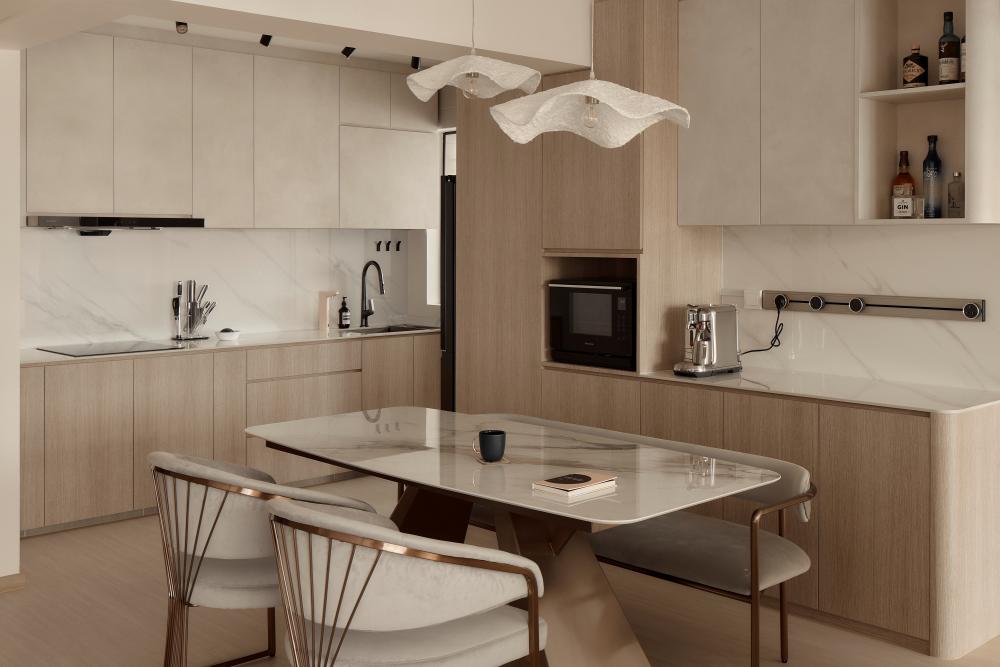
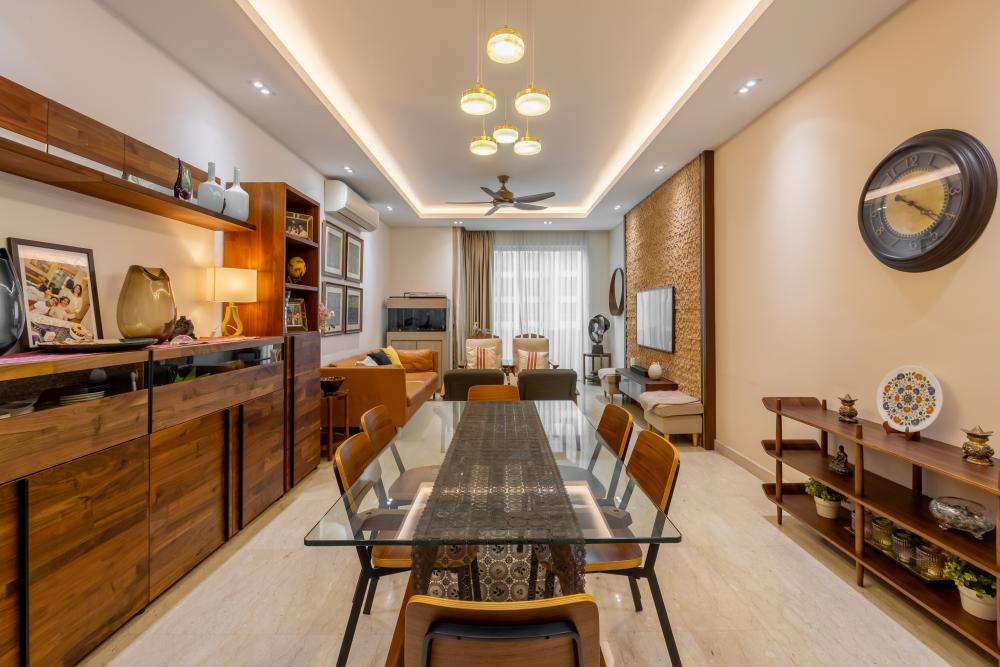
Bartley Beacon ($81,000) by Starry Homestead Pte Ltd
Vinyl flooring has become popular in HDB flats because it is softer and warmer while still handling humidity well. It also comes in many wood-like finishes, which gives a more homely look without the maintenance issues of natural timber.
Engineered wood can work well in condos with better climate control, but it needs proper sealing and good ventilation. Solid wood tends to expand and contract more noticeably, so it requires more care in Singapore’s climate.
Wall finishes and carpentry that resist moisture
Wall paint is often overlooked, but it matters a lot in humid homes. Using mould resistant paint in bathrooms, kitchens, and shaded rooms can reduce long term staining and peeling.
For built in carpentry, laminates are commonly used in Singapore because they are easier to maintain than raw wood. However, not all laminates are equal. Higher quality ones are more resistant to swelling and edge lifting in humid conditions.
It also helps to plan carpentry with ventilation gaps where possible, especially for wardrobes and storeroom cabinets. Fully sealed storage without airflow tends to trap moisture, which can lead to musty smells over time.
Designing Layouts for Better Airflow and Natural Cooling
Layout planning has a bigger impact on comfort than many people expect. In compact HDB flats and condo units, airflow can either move naturally through the space or get blocked by walls and furniture placement.
Good design helps reduce reliance on air conditioning and keeps the home feeling fresher even on warmer days.
How airflow moves through typical Singapore layouts
Most Singapore homes rely on cross ventilation, which happens when air flows between opposite windows or openings. When this path is clear, warm air can escape while cooler air enters.
In some HDB layouts, especially older ones, this airflow is quite natural. But in renovated spaces, built in walls or full height partitions can interrupt this flow.
Even furniture placement matters. Large cabinets placed directly in front of windows or balcony doors can reduce air movement and make rooms feel more stagnant.
Thinking about airflow during renovation helps ensure that the home works with the climate instead of against it.
Open concept living and its real trade offs
Open concept layouts are popular in Singapore because they make small spaces feel larger and brighter. Removing walls between the living and dining areas can also improve air circulation.
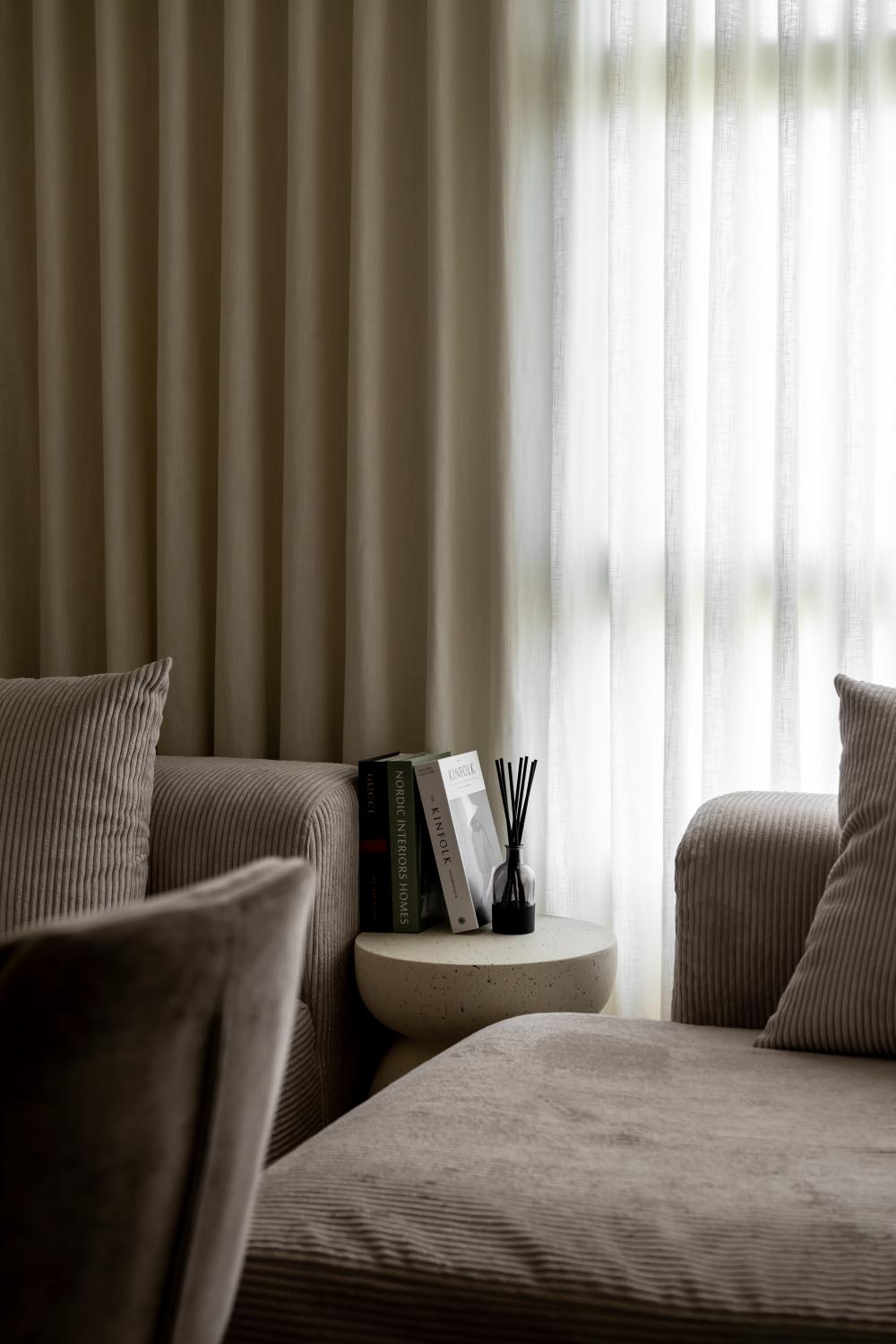
122B Tengah Drive ($25,000) by JP Atelier Pte Ltd
Curtains are the most common option, but not all curtains work the same way.
Sheer curtains are useful for softening daylight and maintaining privacy during the day, but they do very little to block heat. They work best when paired with a second layer.
Blackout curtains are much more effective at reducing heat and light. They usually have a thicker lining that blocks sunlight almost completely, which is useful for bedrooms or west facing living rooms.
Then there’s blackout blinds, which offer a more streamlined alternative.
Roller blinds with blackout fabric are popular in modern HDB flats and condos because they take up less visual space and are easier to maintain than fabric curtains. Some versions also come with side tracks, which reduce light leakage at the edges. This is especially useful in bedrooms where complete darkness is preferred for sleep.
Solar film is another option that is often overlooked but very practical in Singapore.
It is applied directly onto the window glass and works by reducing heat and UV rays while still allowing natural light in. This is useful for living rooms or study areas where you want brightness without excessive glare or heat buildup.
Ceiling fans, ventilation systems, and smart cooling placement
Ceiling fans are often underrated in Singapore homes. They help circulate air so that rooms feel cooler even without lowering the actual temperature significantly.
Good placement matters. A fan positioned centrally in a room supports even airflow, especially in bedrooms where aircon usage can be reduced at night.
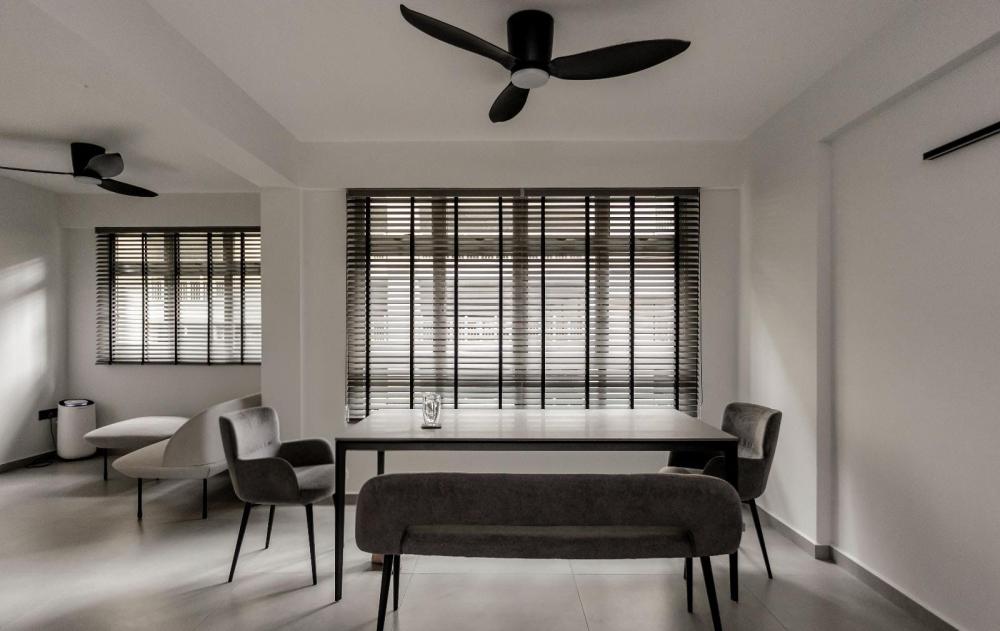
186B Bedok North ($40,000) by JP Atelier Pte Ltd
However, there are trade offs. Open spaces can also allow heat to spread more easily, especially if one part of the home gets direct sunlight. Cooking smells and humidity from the kitchen can also travel further.
A balanced approach often works better. Instead of removing every wall, some homeowners opt for partial openings or glass partitions that maintain visual openness while still controlling airflow and temperature zones.
Cooling Strategies That Go Beyond Air Conditioning
Air conditioning is almost essential in Singapore, but it should not be the only cooling strategy. A well designed home can reduce heat build up and make cooling systems more efficient.
This is where passive design and supporting elements come in.
Using shading, curtains, and window treatments effectively
Windows are one of the biggest sources of heat gain in Singapore homes. Direct sunlight, especially in west facing rooms in the late afternoon, can quickly raise indoor temperatures and make spaces feel uncomfortable even with air conditioning running.
This is why window treatments are not just decorative. They play a real role in controlling heat, glare, and overall comfort throughout the day.
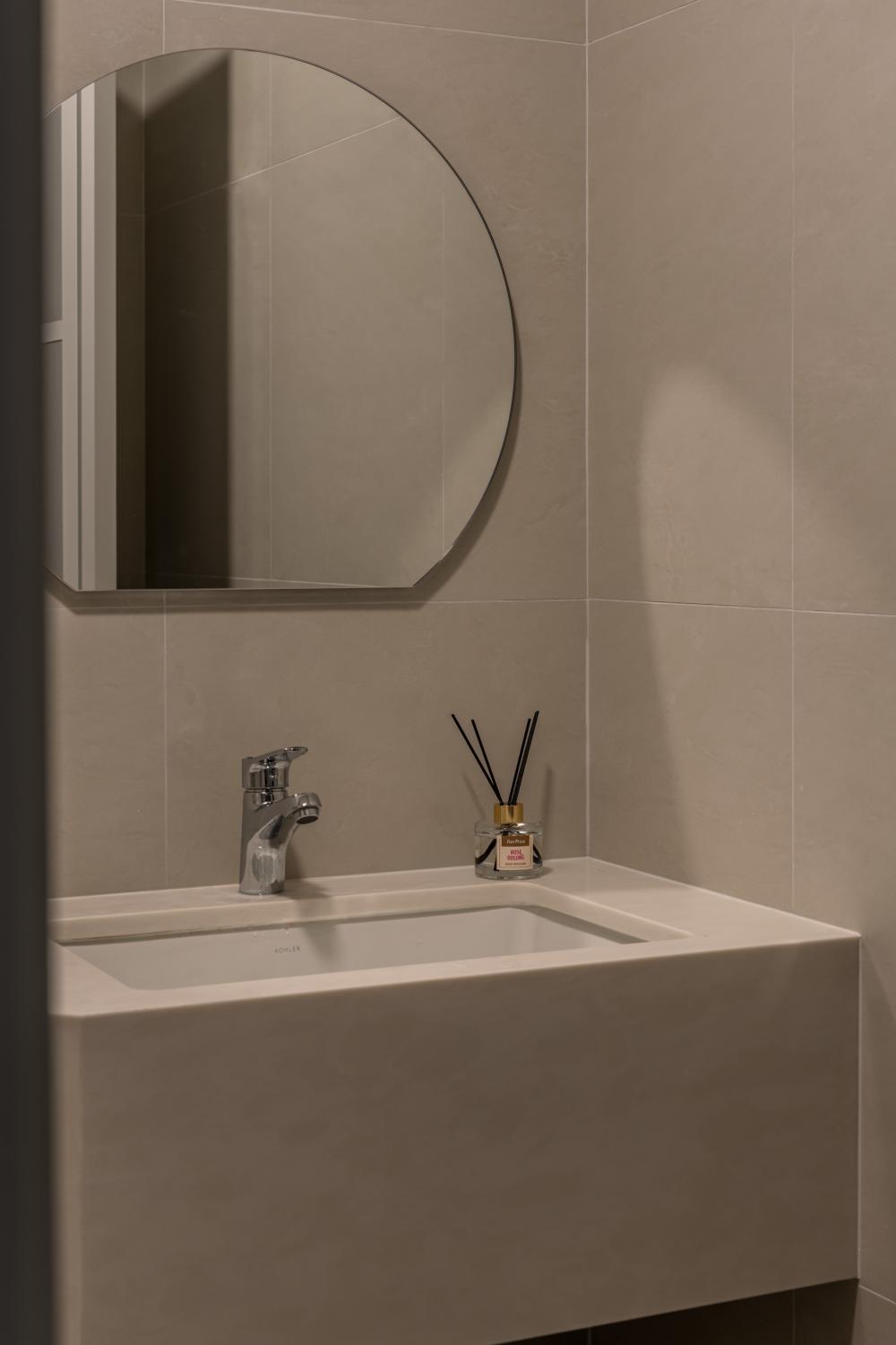
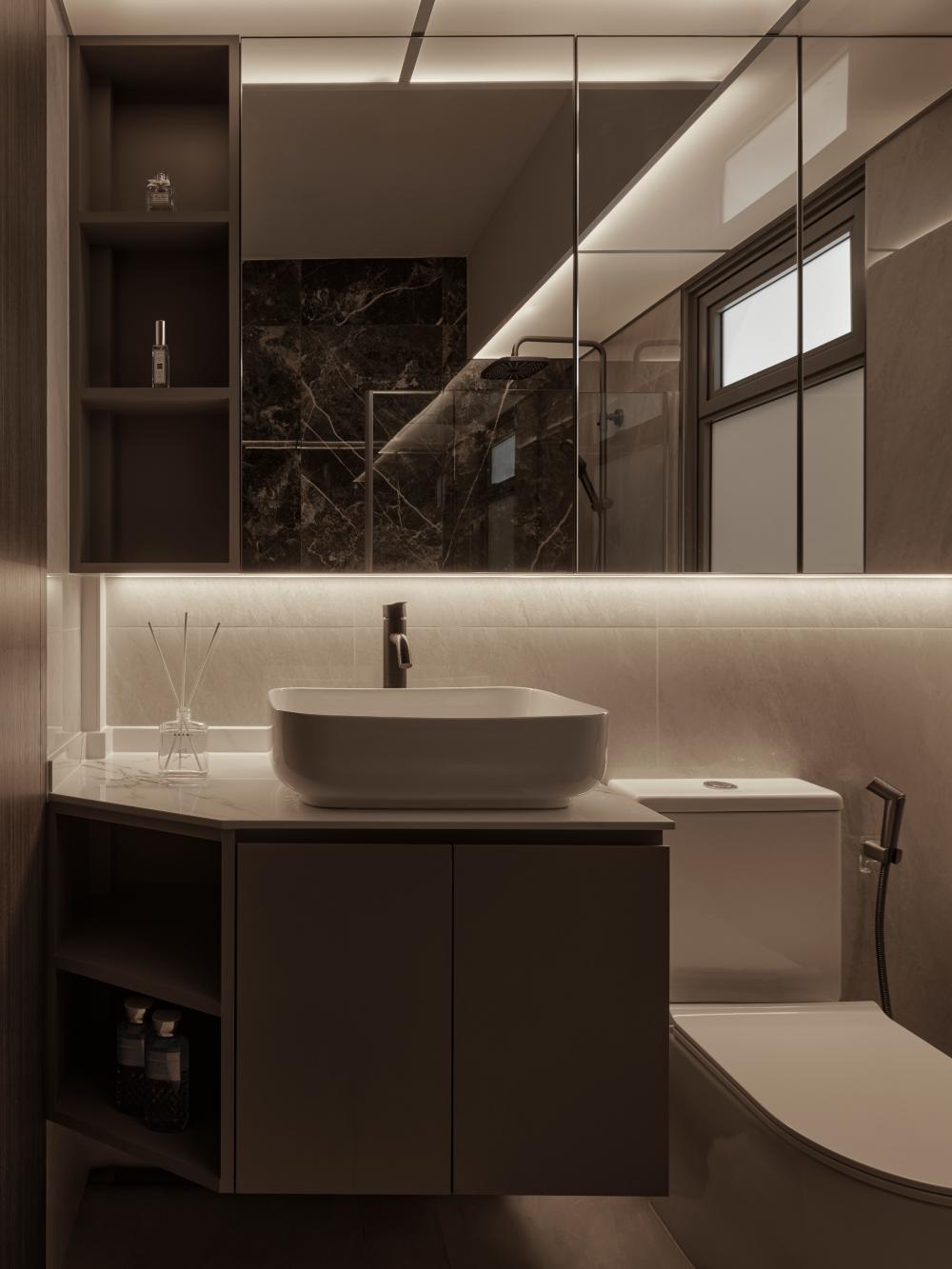
Segar Palmview ($77,000) by Starry Homestead Pte Ltd
Curtains are the most common option, but not all curtains work the same way.
Sheer curtains are useful for softening daylight and maintaining privacy during the day, but they do very little to block heat. They work best when paired with a second layer.
Blackout curtains are much more effective at reducing heat and light. They usually have a thicker lining that blocks sunlight almost completely, which is useful for bedrooms or west facing living rooms.
Then there’s blackout blinds, which offer a more streamlined alternative.
Roller blinds with blackout fabric are popular in modern HDB flats and condos because they take up less visual space and are easier to maintain than fabric curtains. Some versions also come with side tracks, which reduce light leakage at the edges. This is especially useful in bedrooms where complete darkness is preferred for sleep.
Solar film is another option that is often overlooked but very practical in Singapore.
It is applied directly onto the window glass and works by reducing heat and UV rays while still allowing natural light in. This is useful for living rooms or study areas where you want brightness without excessive glare or heat buildup.
Ceiling fans, ventilation systems, and smart cooling placement
Ceiling fans are often underrated in Singapore homes. They help circulate air so that rooms feel cooler even without lowering the actual temperature significantly.
Good placement matters. A fan positioned centrally in a room supports even airflow, especially in bedrooms where aircon usage can be reduced at night.
In some cases, mechanical ventilation systems in bathrooms and kitchens also help reduce humidity buildup. This is especially useful in windowless bathrooms or compact service yards where airflow is limited.
When used together, these systems reduce the strain on air conditioning and create a more comfortable overall environment.
Designing for Long Term Comfort and Easy Maintenance
A well designed home should not only feel comfortable on day one but also remain manageable over time. In Singapore’s humidity, maintenance is an ongoing consideration rather than an occasional task.
Small design decisions can make cleaning and upkeep significantly easier.
Preventing mould and moisture buildup over time
Mould tends to appear in areas where airflow is weak or where moisture is consistently trapped. Common spots include behind wardrobes, under sinks, and in bathroom corners.
During renovation, it helps to avoid completely sealing off these areas. Leaving slight gaps for air circulation behind large furniture can reduce moisture buildup.
Regular airflow through the home is also important. Even simple habits like opening windows during drier parts of the day can help reduce long term dampness.
Renovation choices that reduce upkeep stress
Some design choices naturally reduce maintenance workload. For example, choosing larger format tiles means fewer grout lines, which are often where dirt and mould accumulate.
Simple carpentry designs also help. Flat surfaces and minimal grooves are easier to wipe down compared to heavily detailed designs.
Storage planning matters too. When items have designated spaces, it reduces clutter, which in turn improves airflow and makes cleaning more straightforward.
Bonus: Small Everyday Habits to Keep Heat and Humidity Under Control
Beyond renovation, daily habits play a quiet but important role in keeping a home comfortable. These are small actions that do not require major effort but help maintain a drier and fresher environment.
Everyday humidity control tools that actually help
Simple tools like dehumidifiers can make a noticeable difference in bedrooms or enclosed rooms, especially during rainy periods. They help reduce that heavy, damp feeling in the air.
Moisture absorbers, often placed in wardrobes or storerooms, are also useful. They are commonly used in Singapore homes to prevent musty smells in enclosed storage areas.
The key is placement. These tools work best in closed or semi closed spaces rather than large open areas.
Small habits that make a big difference over time
Drying clothes in a well ventilated area or using the service yard fan can help prevent excess indoor humidity. Keeping bathroom doors open after showers also allows moisture to escape more quickly.
Wiping down condensation on windows when it appears can also reduce mould risk over time. It is a small habit, but it prevents moisture from sitting in corners.
Even something as simple as not overpacking wardrobes helps improve airflow and keeps clothes fresher.
A Final Word on Smart Design Choices for Singapore’s Heat and Humidity
Designing for Singapore’s heat and humidity is less about fighting the climate and more about working with it. When materials, layout, and airflow are considered together, the home naturally becomes more comfortable and easier to maintain.
Small decisions made during renovation can shape how your home feels every single day, especially in a climate that never really cools down.
Renovating soon? Speak to top rated interior designers.
Discuss your home renovation ideas and plans with top rated firms, recommended by past homeowners. Let us help you shortlist the most suitable interior designers for your project.