Your 2025 Guide to the Latest Home Decor Trends
As we step into 2025, home decor trends are embracing individuality, functionality, and bold design choices that reflect personality and practicality. This year’s styles focus on creating spaces that feel personal yet effortlessly stylish, blending comfort with statement-making elements.
Whether it’s incorporating oversized modular furniture for flexibility, transforming walls with rich textures, or embracing the beauty of exposed cords as a design feature, homes are becoming more expressive than ever.
From modern minimalists to lovers of vintage charm, there’s something for everyone in the latest decor trends. Here’s a closer look at what’s shaping interiors this year.
1. Supersized and Modular Couches
Oversized modular couches are becoming a staple in modern homes, offering both comfort and flexibility. Unlike traditional pull-out couches that were rarely used in their extended form, today’s designs are built for everyday living. Many people now use the pull-out feature regularly—not just when guests stay over, but for lounging, working from home, or enjoying a movie night.
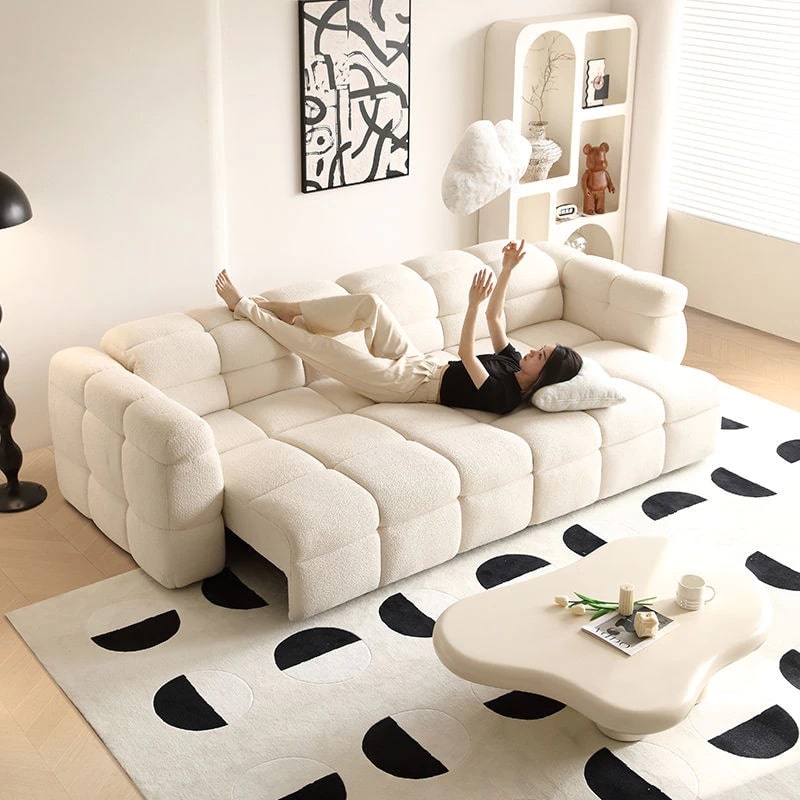
These couches often come with practical features like built-in spaces to hold snacks and cup holders, making them more functional for daily activities. With their deep cushions and adaptable layouts, they cater to different needs, whether it’s creating a cozy corner for relaxation or maximizing space in a smaller home. As living spaces continue to evolve, these versatile seating options are becoming a go-to choice for both style and practicality.
Pro Tip: Want the comfort of an oversized couch but dealing with limited space in your BTO flat? Look for modular or sectional designs that can be arranged in different configurations to fit your layout. Opting for pieces with slimmer arms and lower profiles can also help maximize seating without overwhelming the room.
Additionally, choosing lighter colors and elevated legs can create the illusion of more space while still offering that cozy, oversized feel. Multi-functional options, like pull-out sections or hidden storage, can help you make the most of every inch.
2. Wall Treatments
Plain walls are becoming less common as textured finishes take center stage in home design. Homeowners are moving away from flat, uniform surfaces and opting for wall treatments that add depth, warmth, and personality to their spaces. Options like limewashed walls, Venetian plaster, and bold wallpapers are making a strong comeback, offering a way to introduce texture and visual interest without overwhelming a room.
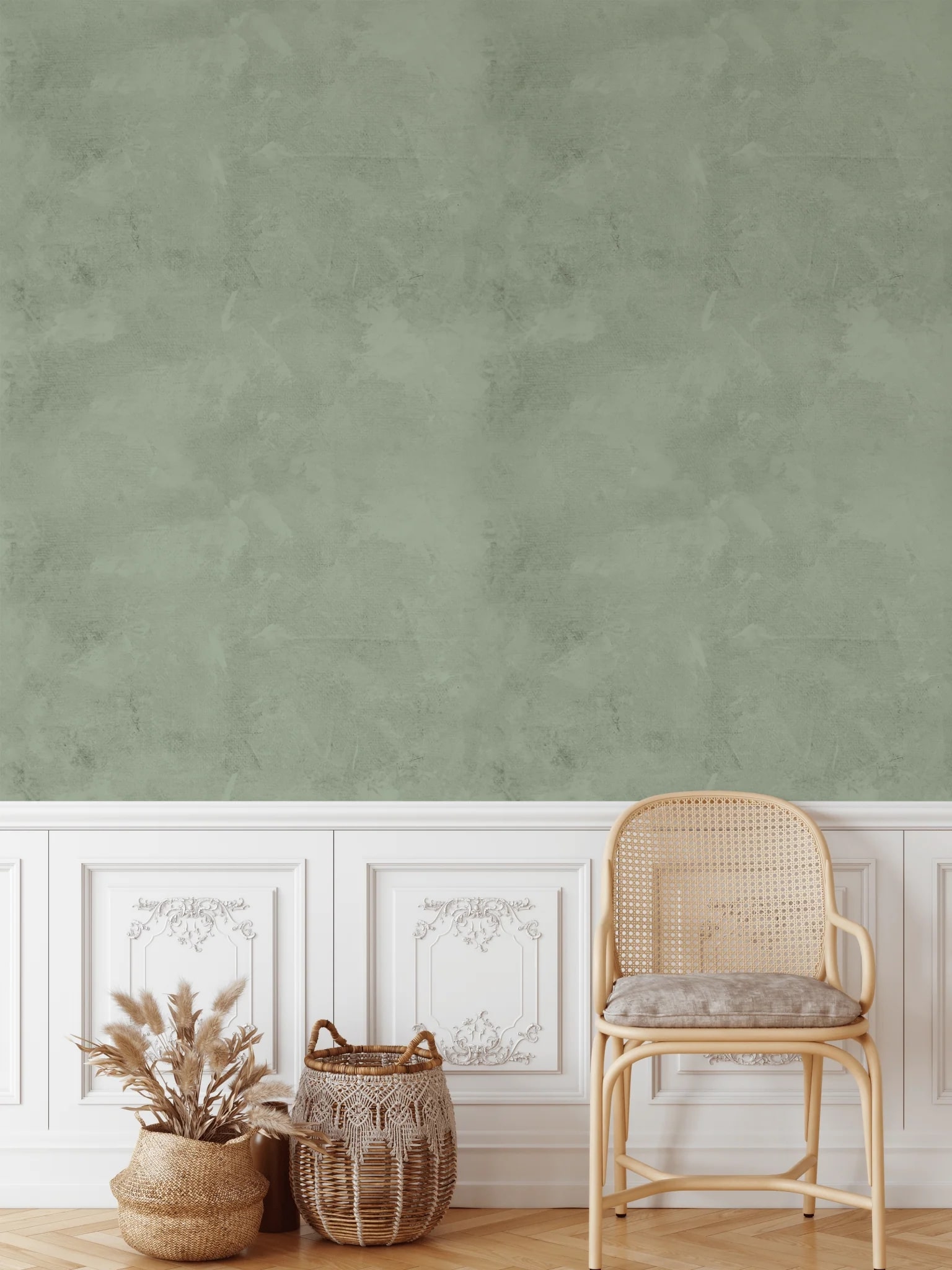
Credits: rockymountaindecals.com/products/sage-green-limewash-peel-and-stick-wallpaper
Limewashed walls, with their soft, chalky finish, bring an old-world charm that works well in both modern and traditional interiors. Venetian plaster, on the other hand, adds a sophisticated, polished look with its smooth, marble-like effect. For those looking to make a bolder statement, wallpaper is being used in creative ways—whether through intricate patterns, large-scale murals, or even textured designs like grasscloth or fabric-backed options.
These treatments not only enhance aesthetics but also help create a sense of coziness and individuality. Whether you’re aiming for a rustic, lived-in look or a sleek, contemporary feel, wall treatments allow you to personalize your space and make it truly your own.
Pro-tip: Limewash is gaining popularity because it provides the look of texture without the actual physical texture on your walls. This is a great option for homeowners who want the warmth and depth that textured finishes bring, but without the added maintenance.
If you do want to go for a more tactile, textured wall, you could consider treatments like plaster or even textured paint, but be mindful that these options can trap dust and dirt, making cleaning more difficult. Limewash, on the other hand, offers an easier-to-clean solution with all the visual benefits!
3. Statement Lighting
Lighting has evolved far beyond its utilitarian role, becoming a crucial element of interior design that enhances the mood and overall aesthetic of a room.
Today’s lighting fixtures are as much about style as they are about function. Sculptural chandeliers, oversized pendants, and intricate layered lighting setups are making a big impact, transforming everyday lighting into striking design statements. These pieces don’t just illuminate a space—they shape it, adding drama, dimension, and a sense of luxury.
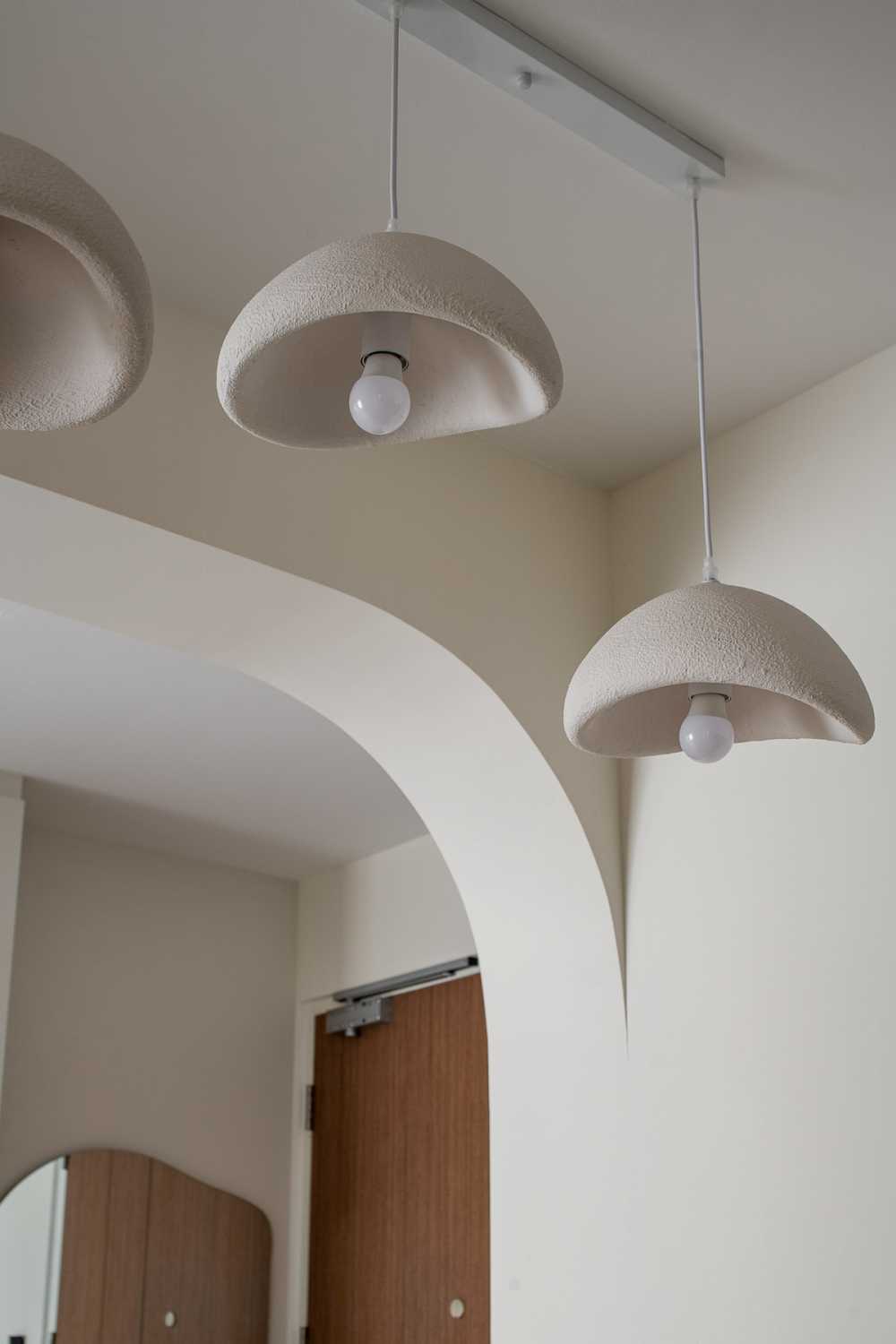
635B Tampines ($65,000) by Mr Designer Studio
Imagine lighting as accents to your home. A bold chandelier can serve as the centerpiece of a dining room or foyer, while oversized pendants in the kitchen or living room can become conversation starters. Layering different light sources—ambient, task, and accent lighting—creates depth and enhances the atmosphere, allowing you to play with shadows and highlights for a dynamic look.
In addition to incorporating statement lighting, another trend gaining popularity is moving away from the harsh, single overhead light many of us grew up with, in favor of a more inviting, layered approach.
Instead of relying on one large, often stark, white ceiling light, homeowners are opting for many small, warm lights spread throughout the room. These smaller fixtures—like table lamps, floor lamps, sconces, and accent lights—create a cozy, ambient atmosphere, making the space feel more intimate and relaxing. The key is in the warmth: soft, golden-toned bulbs provide a sense of comfort and calm that’s hard to achieve with the cold, clinical glow of overhead lights.
This trend has been gaining traction on social media, particularly with the rise of a popular TikTok audio that says, “We never ever ever ever use the big light.” The audio perfectly captures the growing sentiment of preferring warm, ambient lighting over the often jarring brightness of a central overhead fixture.
4. Curved and Organic Shapes
Curved and organic shapes, which took center stage in 2024, continue to dominate interior design in 2025, with an even more refined approach to softness and fluidity in the home.
Inspired by the natural world, these forms are not just about aesthetics but about creating a space that feels both nurturing and timeless. While the rounded sofas and wave-like shelving that first gained popularity are still in vogue, designers are now pushing the boundaries by incorporating even more fluid, sculptural shapes into furniture, architecture, and accessories.
In 2025, the trend of curved design expands beyond furniture and surfaces to incorporate sculptural, three-dimensional elements that become integral to the architecture of the home.
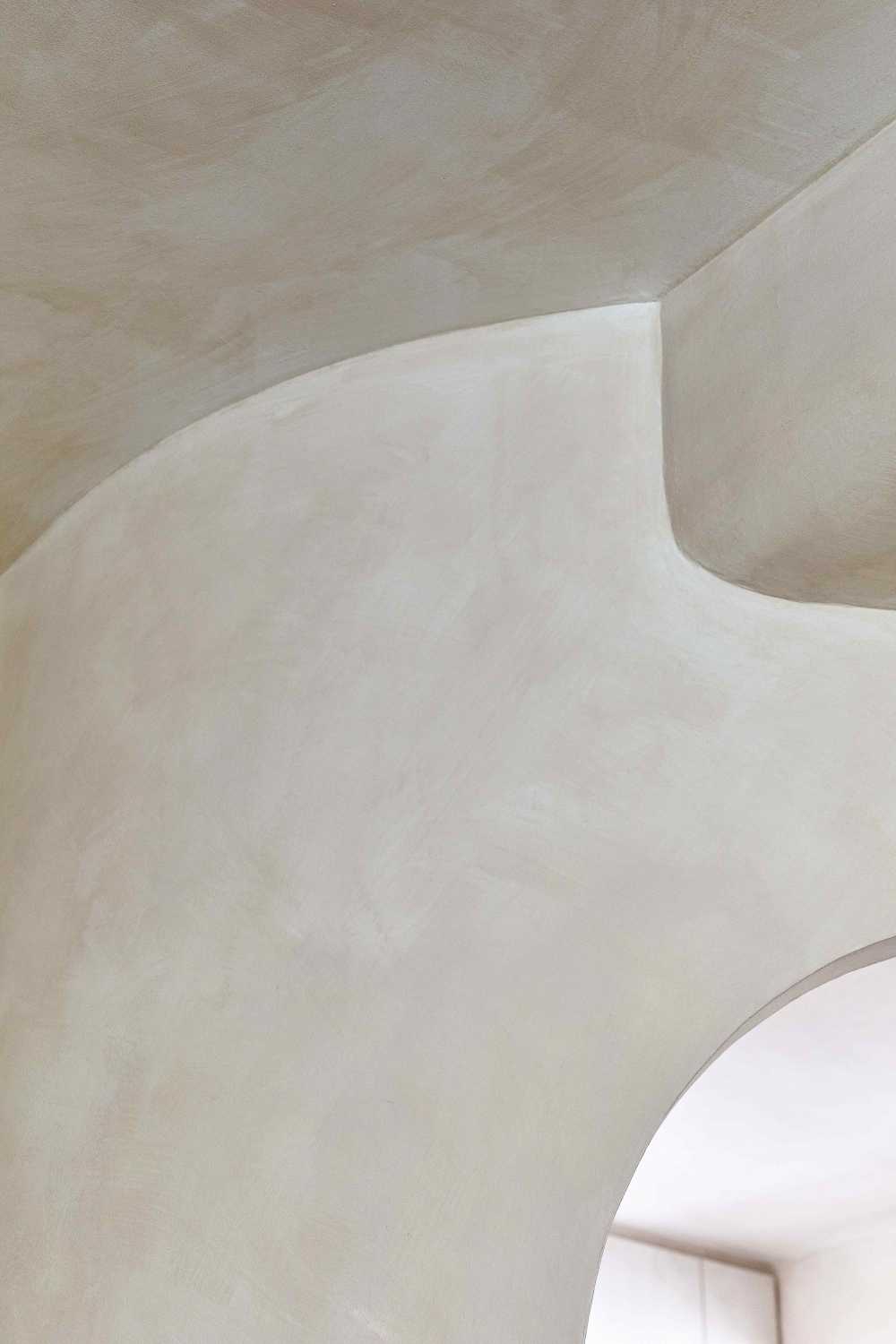
Casa Spring @ Yishun (Cost data not available) by MET Interior
Curved walls and room dividers are now being designed not just as simple 2D shapes but as sculptural, multi-dimensional pieces that transform spaces into dynamic, flowing environments. These curved elements can subtly separate different areas in open-plan spaces while adding depth and artistry to the overall design.
Rather than relying solely on flat, curved lines, designers are integrating sculptural curved features directly into the architecture—creating installations that extend out from the walls or even appear to “grow” from the floor.
These pieces are part of the fabric of the room, often made of materials like plaster, concrete, or wood, and can have a range of textures and finishes. Whether it’s a smooth, wave-like wall that curves gently into a built-in shelf, or a bold, organic sculpture embedded within a partition, these installations create a sense of movement and fluidity.
5. Mixed Materials
Gone are the days when interiors were defined by a single material or finish. Today, the trend is all about mixing different materials to create rich, layered spaces that are visually engaging and full of character. The beauty of this trend lies in its ability to blend contrasting textures, colors, and finishes in ways that complement each other, adding depth and warmth to a room.
One of the most striking combinations is pairing luxurious materials like marble with warm metals such as brass or gold. The cool, sophisticated look of marble countertops or backsplashes is beautifully offset by the rich, reflective quality of brass accents, whether in hardware, light fixtures, or furniture details. This blend adds elegance and opulence to spaces, from kitchens to bathrooms, while maintaining a sense of balance.
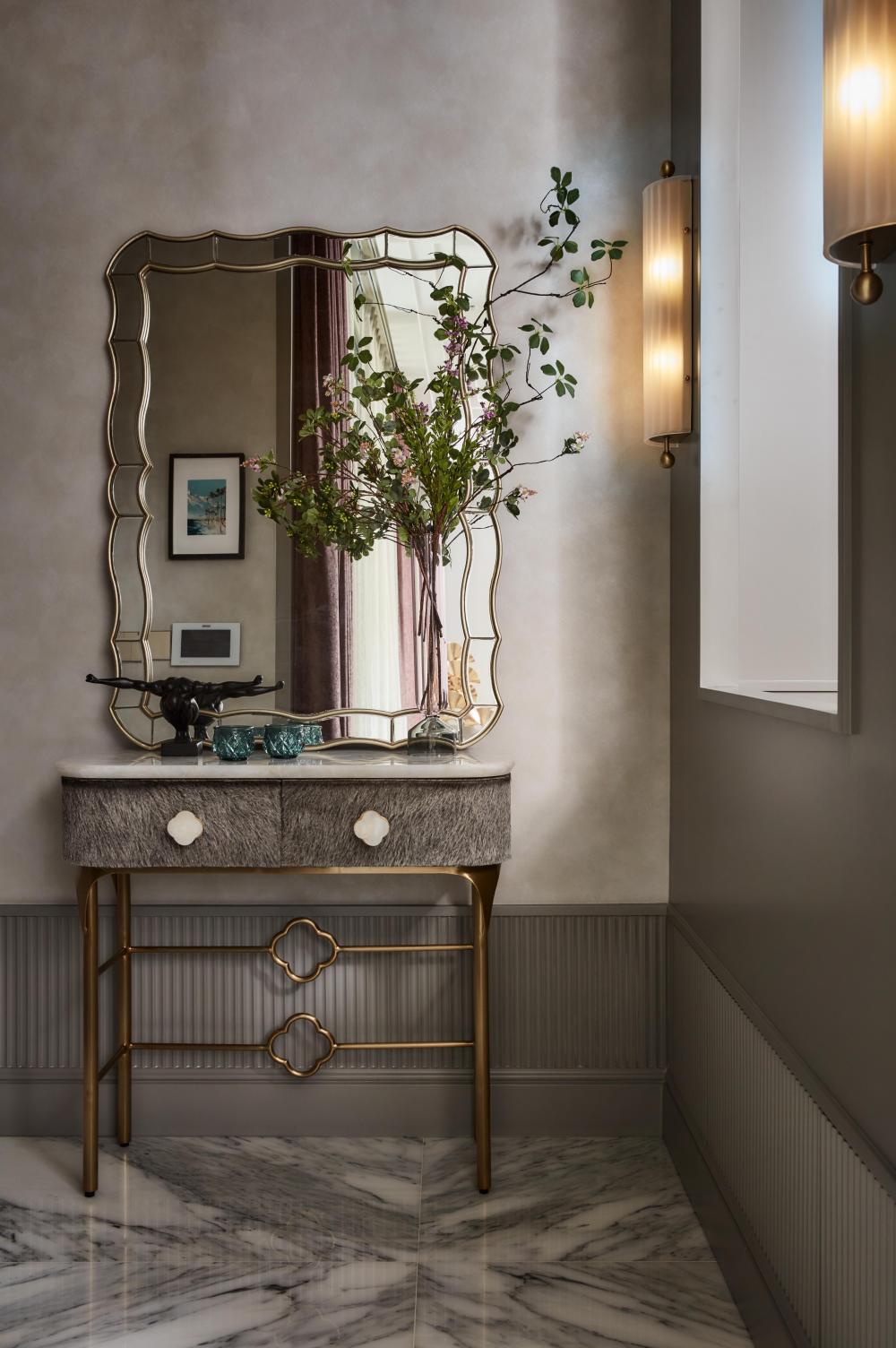
Van Holland Residences ($70,000) by Aiden-T
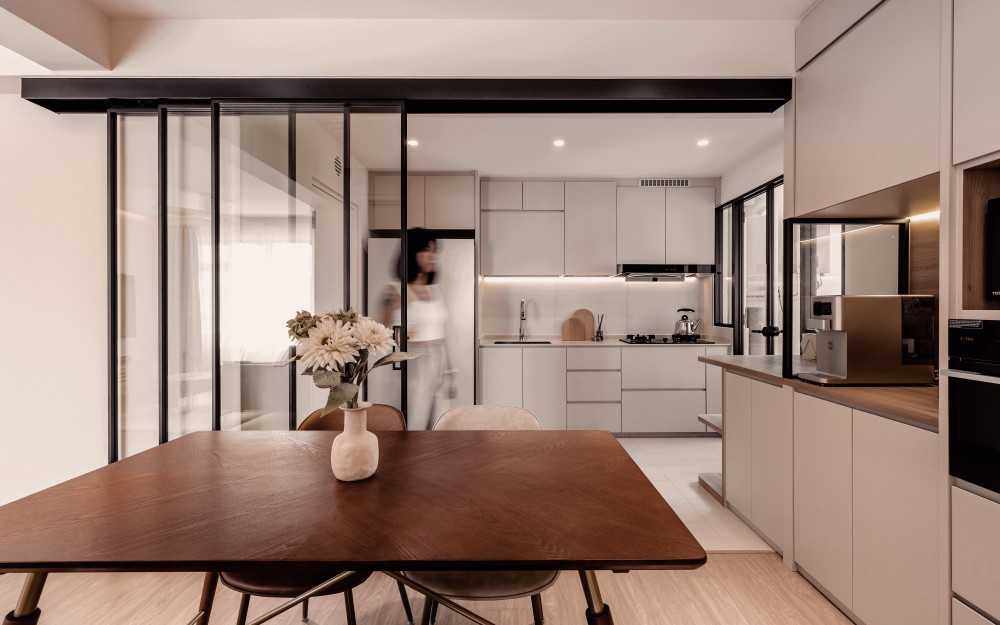
Similarly, the fusion of raw, organic materials like wood with sleek, modern elements like glass creates an intriguing contrast that plays with both texture and transparency. Think of a wooden dining table paired with glass chairs, or a wooden frame surrounding a glass panel in a wall or partition. The combination brings a sense of nature indoors while maintaining a clean, contemporary aesthetic.
Stone, metal, wood, and glass aren’t the only materials being mixed—fabrics, ceramics, and even concrete are being integrated into designs to create even more visual interest. Concrete floors with soft, plush rugs, or ceramic light fixtures paired with smooth stone countertops, are just a few examples of how designers are incorporating a variety of textures to shape the mood of a room.
At the end of the day, the key to successfully mixing materials is in finding balance. It’s about creating harmony through complementary colors and textures, rather than overwhelming the space with too many competing elements.
This trend not only adds visual appeal but also a tactile experience. As you move through a space, you’re invited to touch and feel different surfaces, which adds to the sense of intrigue and connection to the space. Whether you’re combining matte with polished, rough with smooth, or light with dark, the goal is to create a visually stimulating environment that feels rich, grounded, and inviting.
6. Personalized Spaces
Cookie-cutter designs are out, and personalization is in. The shift toward curating spaces with custom art, handmade decor, and one-of-a-kind pieces has been gaining momentum for a few years, starting in 2024 when many of us found ourselves spending more time at home.
As we spent more time within our own walls, we began to realize that our homes should be a reflection of who we are—our personalities, experiences, and values. What was once just a place to live became a canvas for self-expression, and this desire for personalization has only grown over the years.
Today, it’s much more common for a piece of art in someone’s home to have been sourced from a specific location or to have a personal meaning that connects to the owner’s journey.
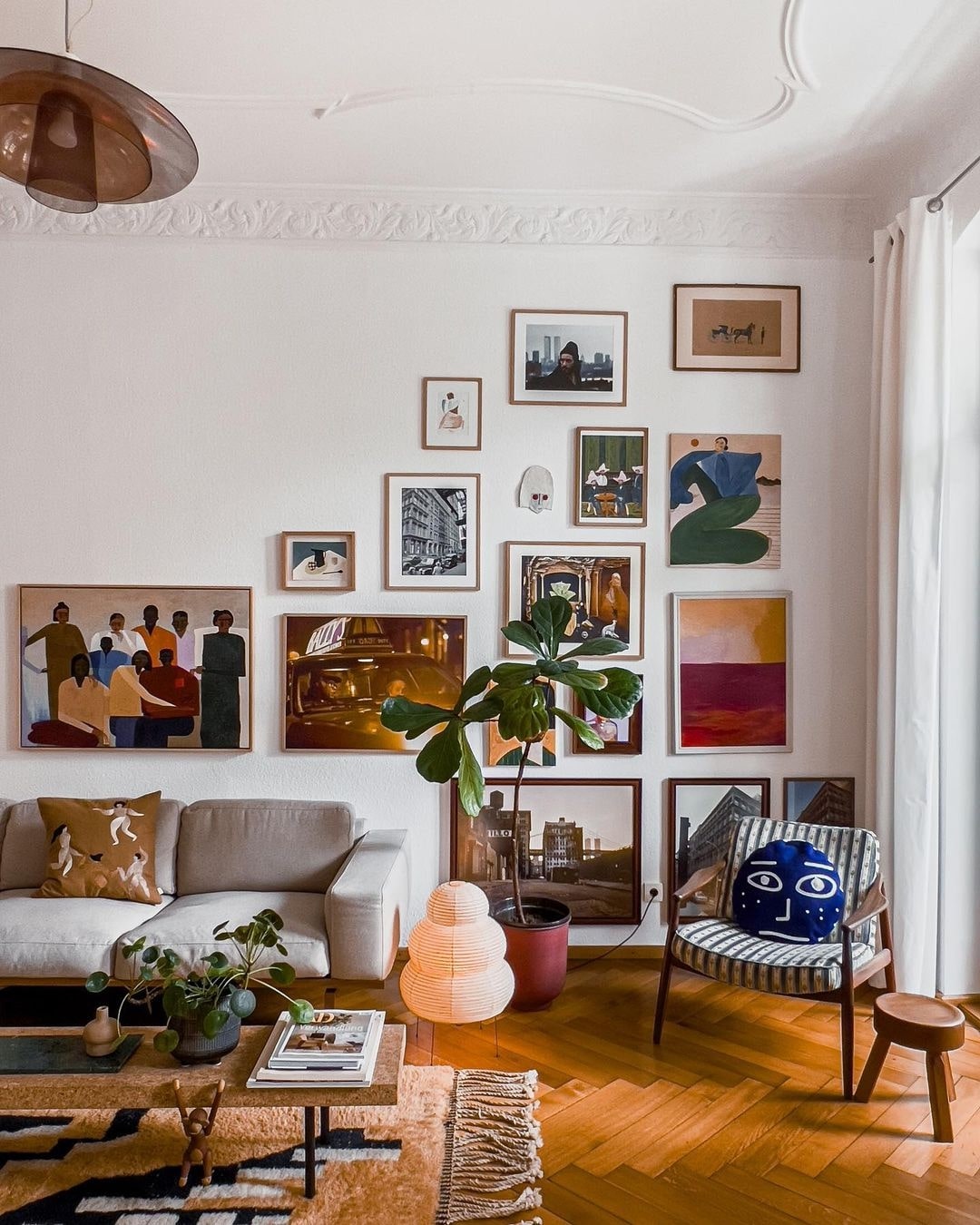
Credits: decormatters.com/blog/creating-the-perfect-gallery-wall-the-do-s-and-don-ts-of-a-picture-perfect-display
Whether it’s a painting picked up during a trip to an iconic city, a sculpture made by a local artisan, or a vintage find that reminds the owner of cherished memories, each item in the home tells a unique story. People are increasingly choosing pieces that resonate with them personally, adding a layer of meaning and emotional connection to their spaces.
This trend toward personalization is about creating an environment that feels authentic and true to the people living there. Our homes are increasingly becoming spaces where each item has a story, a purpose, or a connection, making the home not just a place to live, but an extension of the people who inhabit it.
7. Cords as Decor
Forget hiding cables—this year, they’re becoming a statement! What was once considered a design flaw, a tangle of wires lurking in the background, is now being embraced as an opportunity for creative expression. The trend of decorating cables has gained momentum, particularly on social media platforms like TikTok, where people are finding innovative ways to turn these once-hidden necessities into eye-catching features in their homes.
Rather than concealing cables, homeowners and designers are now using them as an opportunity to add color, texture, and personality to their spaces.
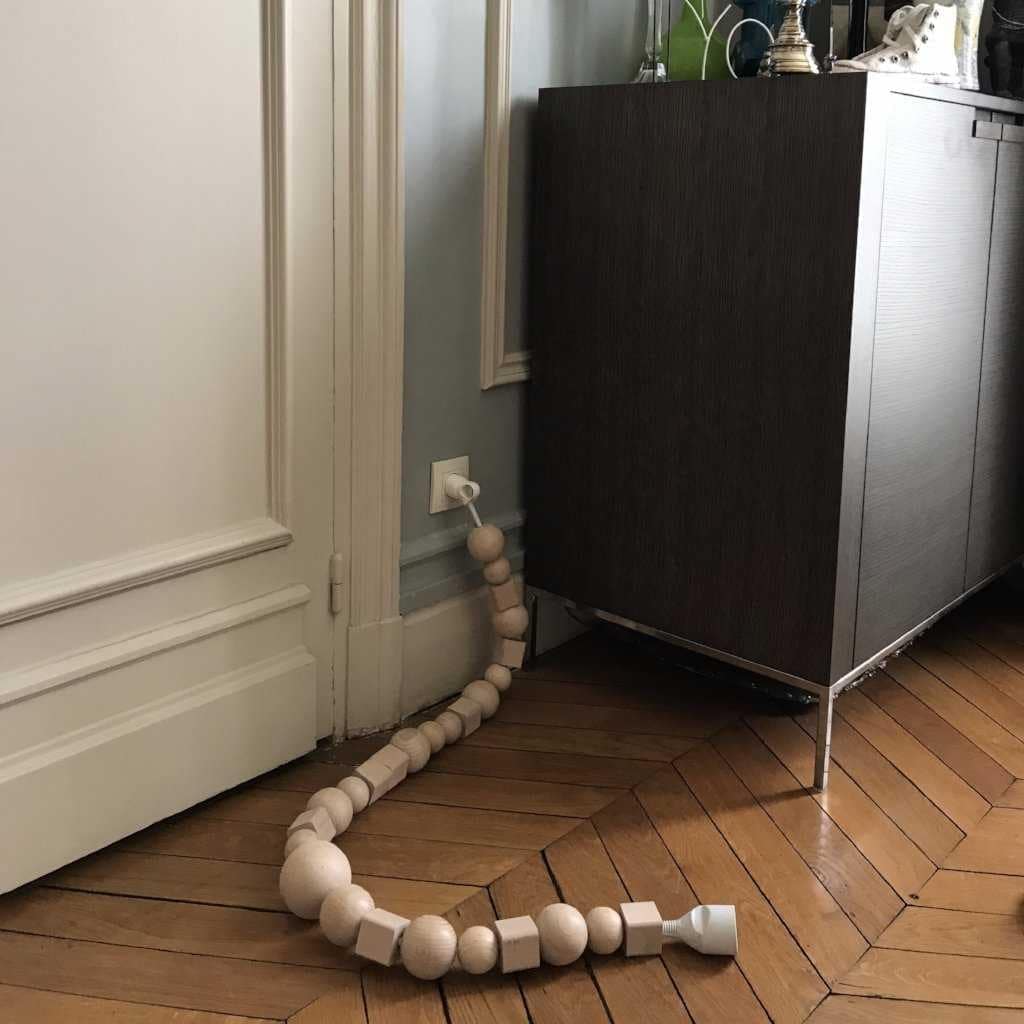
Credits: www.dupuis-design.com/products/decorative-extension-cords
One popular method is decorating cords with wooden beads, which brings a rustic, earthy charm to the otherwise functional elements of home decor. These beads can be strung together in various patterns or colors, creating a visually interesting focal point that draws attention to the cable itself.
Others are wrapping cables in colorful, textured materials, from fabric to yarn, to give them a more artistic, playful vibe. This trend invites homeowners to personalize their cords, transforming them into something more than just utilitarian. Brightly colored fabric coverings, intricate braids, or even DIY pom-poms can infuse energy and whimsy into the space, adding a sense of fun without compromising on functionality.
Not only does this trend allow for more playful design, but it also provides an opportunity for sustainability. By embracing this approach, people are rethinking the idea of “throwaway” culture and finding ways to repurpose or upcycle their existing cables instead of discarding them. Additionally, some are experimenting with biodegradable or eco-friendly materials to wrap their cords, contributing to the growing desire for sustainable home design.
8. Gallery Walls
Gallery walls have been a staple in interior design for years, offering a way to personalize and showcase artwork in a dynamic and visually engaging way. However, in 2025, the gallery wall trend is evolving toward a more curated and eclectic approach, moving away from the minimalist, black-and-white family photo displays that were once the hallmark of the “mommy blogger” aesthetic.
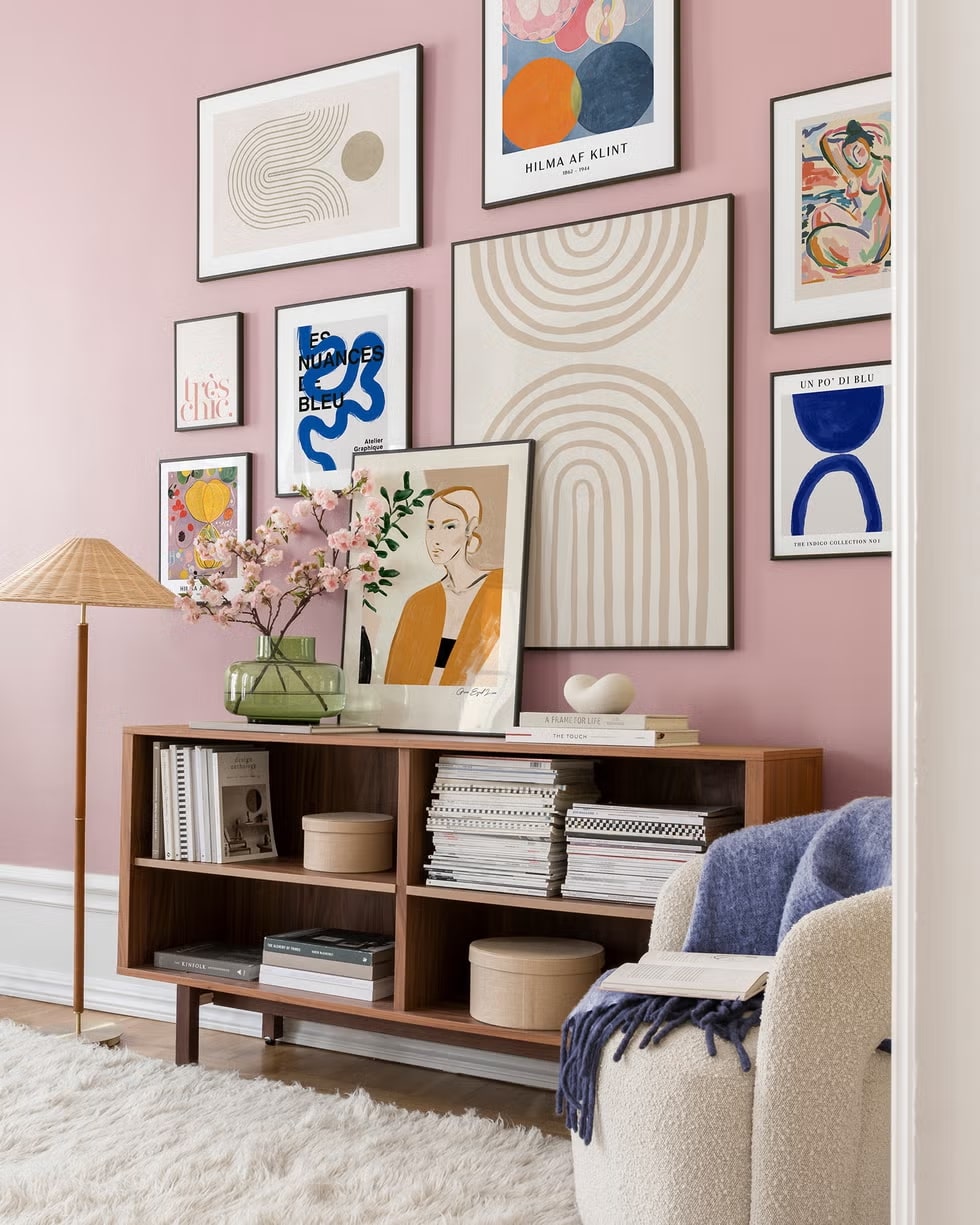
Credits: www.housebeautiful.com/uk/decorate/walls/how-to/a961/how-to-create-a-gallery-wall/
Instead, homeowners are embracing vibrant, curated collections that showcase a mix of diverse styles, themes, and media. Think film posters, travel-inspired prints, vintage advertisements, abstract art, and personal mementos, all coming together to tell a rich, layered story.
The trend is shifting toward adding more color, energy, and personality to these walls. Far from the subdued tones of monochrome family portraits, today’s gallery walls are bursting with bold hues, playful patterns, and eye-catching graphics. This allows homeowners to create a visual narrative that feels fresh, dynamic, and true to their unique tastes and experiences.
9. Dark Academia Design
Moody, intellectual, and cozy—Dark Academia is making waves in home decor, and it’s quickly becoming a favorite for those who crave a space that evokes both a sense of nostalgia and intellectual charm.
This aesthetic draws heavily from classic literature, historical architecture, and the moody ambiance of old libraries, blending them into a home environment that feels both timeless and comforting.
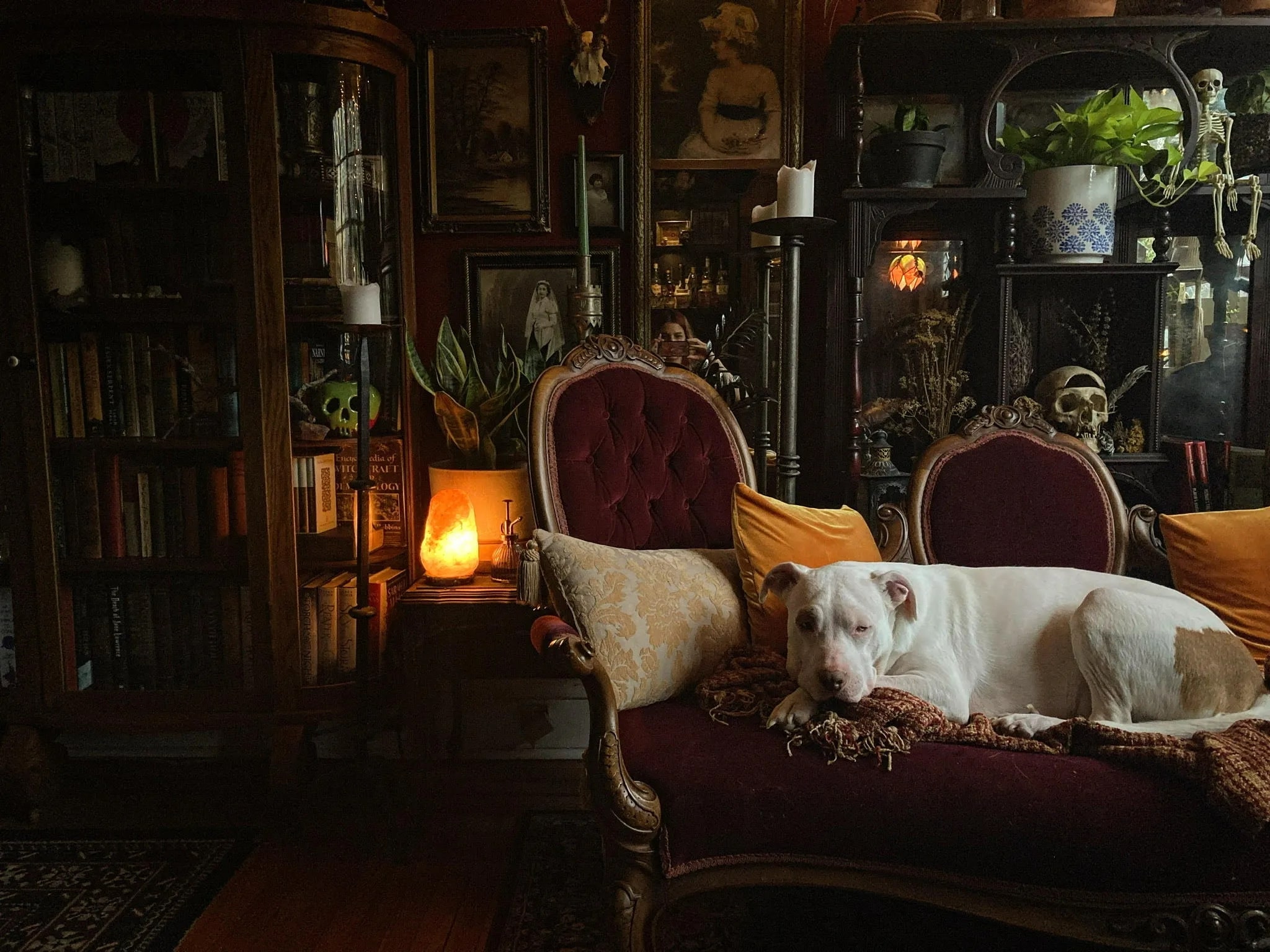
Credits: www.architecturaldigest.com/story/dark-academia-design-trend
In many ways, the rise of Dark Academia can be seen as a reaction against the popular minimalist and neutral tones that have dominated interior design in recent years, particularly the so-called “sad beige” aesthetic. This muted, Scandinavian-inspired style, characterized by soft whites, greys, and beige tones, aimed to create serene, airy spaces. While undeniably calming, many found it lacked warmth and personality, leaving some yearning for something with more depth, character, and intrigue.
Dark Academia offers the complete opposite of this stripped-back, neutral approach. It’s a bold embrace of rich, moody tones and vintage, intellectual charm that feels worlds apart from the minimalist aesthetic that has been so pervasive. It’s an intentional move toward spaces that feel lived in, storied, and full of character—where every book, every piece of furniture, and every object seems to have a narrative. In a way, it’s about rejecting the sanitized, “Instagrammable” spaces that often feel more like showrooms than homes.
People are now looking for environments that reflect their personalities and passions, and Dark Academia provides a space where intellectual pursuits, nostalgia, and a cozy ambiance can coexist harmoniously. By choosing darker, richer tones like deep greens, browns, and burgundies, this aesthetic creates a sense of warmth and intimacy that is often lacking in the colder, neutral palettes associated with Scandinavian design.
The mix of vintage furniture, bookshelves lined with timeless volumes, and antique-style decor evokes a feeling of being transported to an old library or a scholar’s study, where ideas flow freely and time seems to slow down.
Want to check out home renovation projects for more inspiration? Browse interior design ideas on Hometrust, or click the button below to get connected with expert designers!
Renovating soon? Let Hometrust recommend the best interior designers.
If you are reading this, you are probably wondering how you can create your dream home.
Here’s the thing, everyone’s needs and requirements for their home renovation is different. A designer that may work for someone else, may not quite work for you.
At Hometrust, we’re here to help match top rated designers, recommended by past homeowners to you through our data-driven and matching algorithm.
Whether you are looking for partial renovation or a full fledge overhaul, we’ll be able to recommend you top designers to match your renovation requirements and lifestyle.
Recommendations and free and you can simply start by helping us understand your needs below!
Get RecommendationsRenovate safe!
The Hometrust Team