Managing Renovation Cash Flow: Budgeting Tips for Singapore Homeowners
For many homeowners, the renovation process begins long before the first tile is laid or cabinet is installed. It starts with figuring out how much can realistically be spent, when payments need to be made, and how to ensure other financial commitments remain manageable throughout the project.
Whether you’re renovating a newly collected BTO flat, resale home, or condominium, having a cash flow plan can help you stay on track and reduce financial stress. Here’s a step-by-step guide to budgeting for your renovation while keeping your finances in balance.
Step 1: Estimate Your Total Renovation Budget
Before engaging an interior designer or contractor, it’s helpful to have a rough idea of how much your renovation is likely to cost. The final figure should go beyond carpentry, flooring, and painting works.
Homeowners often need to budget for appliances, lighting, curtains, furniture, moving expenses, and decorative items. If you’re purchasing a resale property, you may also need to factor in rectification works or replacing ageing fixtures.
At this stage, many homeowners find it useful to set aside an additional 10% to 15% of their renovation budget as a contingency fund. This can provide some breathing room should unexpected expenses arise or if you decide to make adjustments during the renovation process.

Step 2: Review Your Savings and Financial Commitments
Once you have a ballpark figure in mind, the next step is to determine how much you’re comfortable paying upfront.
For some homeowners, using savings to fund a renovation may feel like the most straightforward approach. Others may prefer to preserve a portion of their cash reserves, particularly if they’ve recently purchased a home and have already incurred significant expenses such as stamp duties, legal fees, and moving costs.
It’s also worth considering upcoming financial commitments. Weddings, starting a family, travel plans, investments, or simply maintaining an emergency fund may influence how much cash you want to commit to your renovation.
Rather than focusing solely on whether you can afford the renovation, it can be equally useful to ask whether you’re comfortable having less liquidity after the project is completed.
Step 3: Map Out Your Renovation Payment Timeline
Renovation expenses are rarely paid in one lump sum. Instead, payments are often staggered according to different stages of the project.
Depending on the contractor’s payment schedule, homeowners may need to pay an initial deposit, followed by progress payments when carpentry is fabricated or installed, and a final payment upon project completion.
At the same time, other purchases may need to be made before you move in. Appliances may need to be ordered weeks in advance, while furniture deliveries are often scheduled around the renovation timeline.
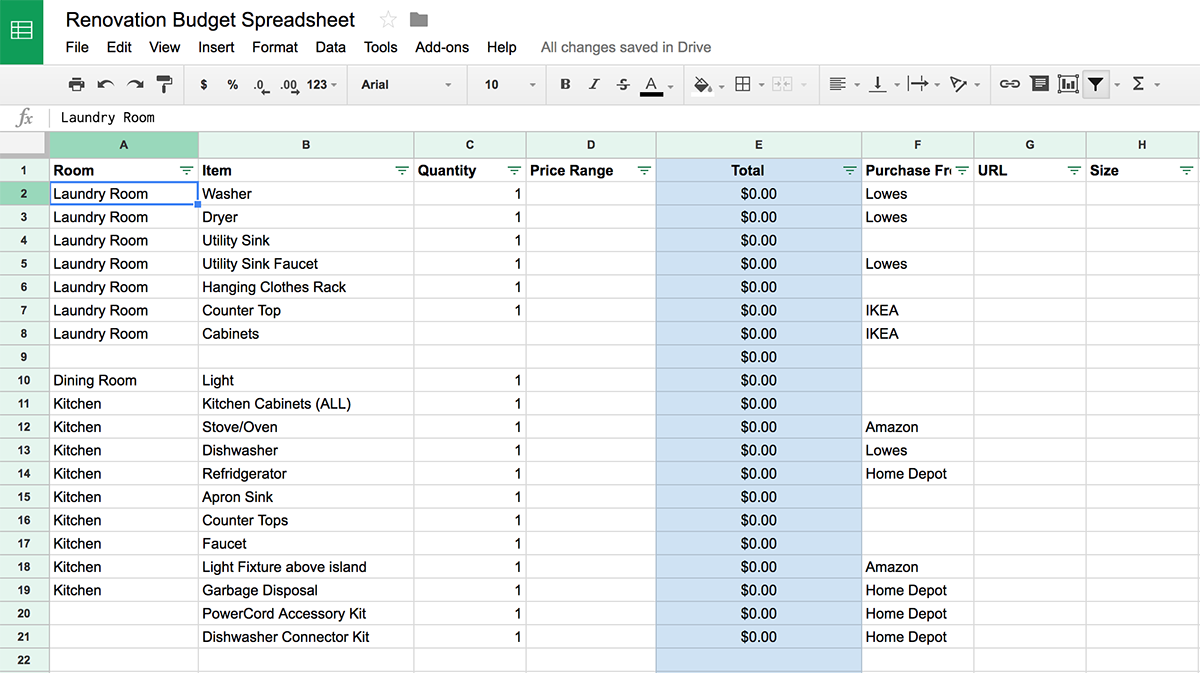
Creating a simple payment schedule can help you visualise when larger expenses are likely to occur and identify periods where cash flow may be tighter, especially if you’re also servicing a home loan or rental expenses during the renovation period.

Step 4: Decide Whether Financing Makes Sense for Your Situation
Financing isn’t necessarily about borrowing more money than you need. For some homeowners, it can simply be a way to spread out renovation costs and avoid depleting their savings all at once.
For example, a homeowner may prefer to keep an emergency fund intact while using financing to cover part of the renovation. Others may have recently purchased a property and want to ease the strain of multiple large expenses occurring within a short period.
That said, financing isn’t suitable for everyone. Monthly repayments should fit comfortably within your budget, and it’s important to understand the total cost of borrowing before taking on any loan.
The key is to find an approach that allows you to complete your renovation while still feeling financially secure afterwards.
Step 5: Compare Renovation Financing Options Carefully
Homeowners considering financing may come across a range of options, including renovation loans, personal loans, and flexible credit facilities.
Rather than focusing solely on advertised interest rates, it can be worthwhile to compare other factors as well, such as repayment tenures, fees, eligibility requirements, and whether early repayments are allowed without penalty.
Some borrowers may also value flexibility, particularly if they’re unsure whether they’ll need the entire approved amount. Products that allow borrowers to draw only what they need and repay earlier to reduce interest costs may appeal to homeowners who prefer greater control over their borrowing.
Reviewing these factors can help ensure that the financing option chosen aligns with both your renovation budget and longer-term financial plans.
Step 6: Explore Financing Solutions That Match Your Needs
Homeowners who decide that financing is suitable for their renovation may wish to compare the different products available in the market.
One option to consider is the GXS FlexiLoan, which allows borrowers to access a credit line and draw multiple loans up to their approved limit as needed. Borrowers can customise their loan amount, select repayment tenures ranging from two to 60 months, and choose a preferred monthly repayment date through the GXS Bank app.
The product also does not charge annual fees, processing fees, early repayment fees, or late fees, although late interest may apply for overdue repayments. Interest is calculated on a daily basis, which means borrowers who repay earlier may be able to reduce their overall interest costs.
As with any financing decision, homeowners should review the applicable interest rates, repayment obligations, and eligibility criteria before proceeding. Comparing different options can help ensure that the chosen financing solution supports both renovation goals and overall financial well-being.
Renovate With Confidence by Planning Ahead
A successful renovation isn’t only about choosing the right materials or design style. It’s also about ensuring you have a clear plan for how the project will be funded and managed.
By estimating costs early, preserving a comfortable level of savings, and evaluating financing options thoughtfully, homeowners can approach their renovation journey with greater confidence and fewer financial surprises along the way.
Homeowners who are interested in learning more about renovation-related financing solutions and benefits can visit Hometrust’s GXS Reno Club page for additional information.
Renovating soon? Let Hometrust recommend the best interior designers.
If you are reading this, you are probably wondering how you can create your dream home.
Here’s the thing, everyone’s needs and requirements for their home renovation is different. A designer that may work for someone else, may not quite work for you.
At Hometrust, we’re here to help match top rated designers, recommended by past homeowners to you through our data-driven and matching algorithm.
Whether you are looking for partial renovation or a full fledge overhaul, we’ll be able to recommend you top designers to match your renovation requirements and lifestyle.
Recommendations and free and you can simply start by helping us understand your needs below!
Get RecommendationsRenovate safe!
The Hometrust Team