Small Upgrades, Big Difference: Renovation Choices That Improve Daily Life
Not every home improvement needs a full renovation. In many Singapore HDB flats and condos, the biggest improvements in daily comfort come from small, targeted upgrades rather than major hacking or redesign work.
This article is organised by household type, so you can skip straight to the section that best matches your living situation and focus on suggestions that actually reflect how you use your home day to day.
Category 1: If You’re Living With Your Parents (Multi-Generational Household)
Many Singapore adults in their 20s and 30s live with their parents while waiting for a BTO or planning their next housing step. In these homes, the main goal is not to redesign the space, but to make daily life smoother for different routines to coexist comfortably.
Small upgrades here are less about individual rooms and more about how shared spaces function throughout the day.
Creating shared spaces that feel comfortable for everyone
In multi-generational homes, the living and dining areas tend to carry most of the daily activity. Different family members use the space in different ways, often at the same time, so small layout improvements can reduce friction.
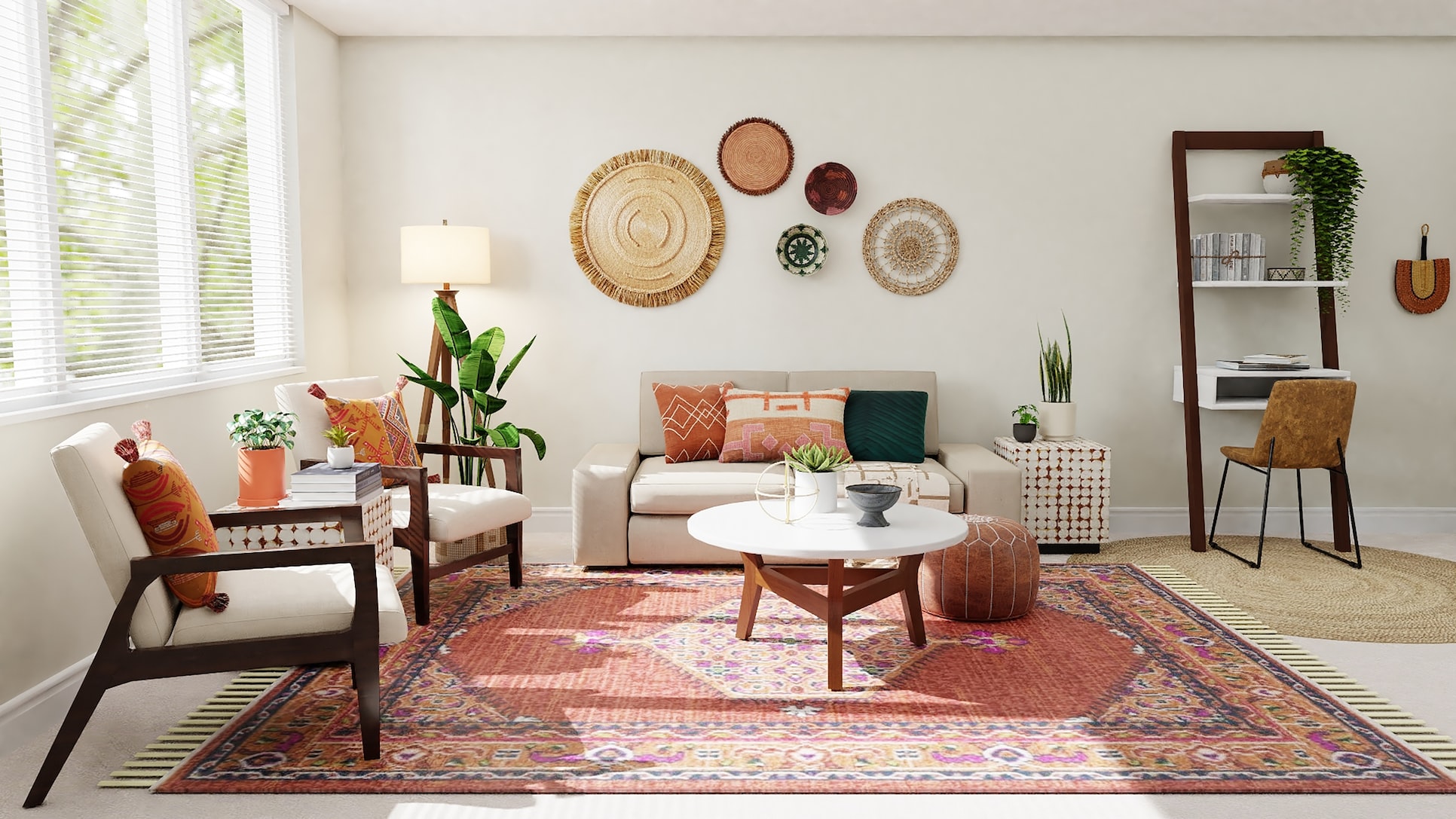
One of the simplest upgrades is visual zoning. This can be done through rugs, lighting changes, or furniture placement that subtly defines different areas without adding walls. For example, a reading corner, a TV area, and a dining zone can exist in the same room without feeling messy or cramped.
Storage also becomes very important in shared spaces. When items like remotes, documents, or everyday essentials have clear “homes”, it reduces small daily frustrations.
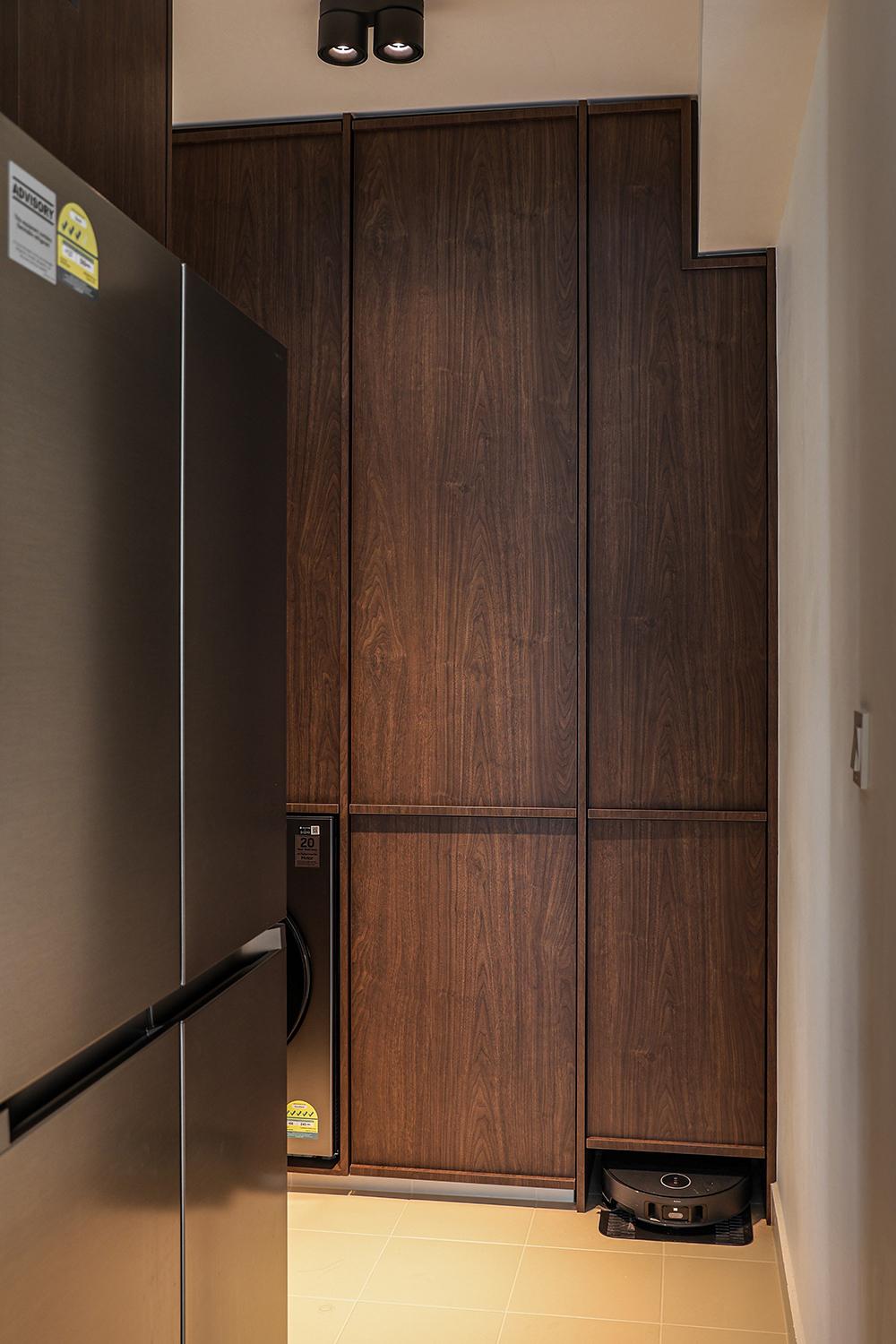
Telok Blangah Towers ($84,000) by Noble Interior Design
Even adding a side cabinet or a set of baskets can prevent clutter from accumulating on shared surfaces like dining tables or coffee tables.
Another overlooked improvement is noise management. Soft furnishings like curtains, rugs, and upholstered furniture help absorb sound, which can make the home feel calmer even during busy periods.
Small thoughtful upgrades that also plan ahead for the future
While most upgrades in this setting focus on harmony today, it is also worth thinking about long term ease.
This does not mean changing the entire home for future needs. It simply means making a few choices that keep things flexible. For example, choosing brighter lighting in corridors or stair-free pathways within the home can make movement easier for aging parents over time.
Flooring choice also matters. Slightly more stable, slip-resistant materials in key areas like bathrooms and kitchens can add peace of mind without changing the overall look of the home.
The idea is not to over-engineer the space, but to make small decisions now that avoid unnecessary renovation later.
Category 2: If You’re a Young Family With Young Children
Homes with young children tend to feel active almost all the time. There is movement, noise, cleaning, and constant rearranging of space depending on the moment. In this environment, upgrades that reduce stress and simplify cleaning tend to matter more than aesthetic changes.
Designing for spills, play, and constant movement
Durability becomes the main consideration in high-activity homes. Surfaces that are easy to clean can make a big difference in how manageable daily life feels.

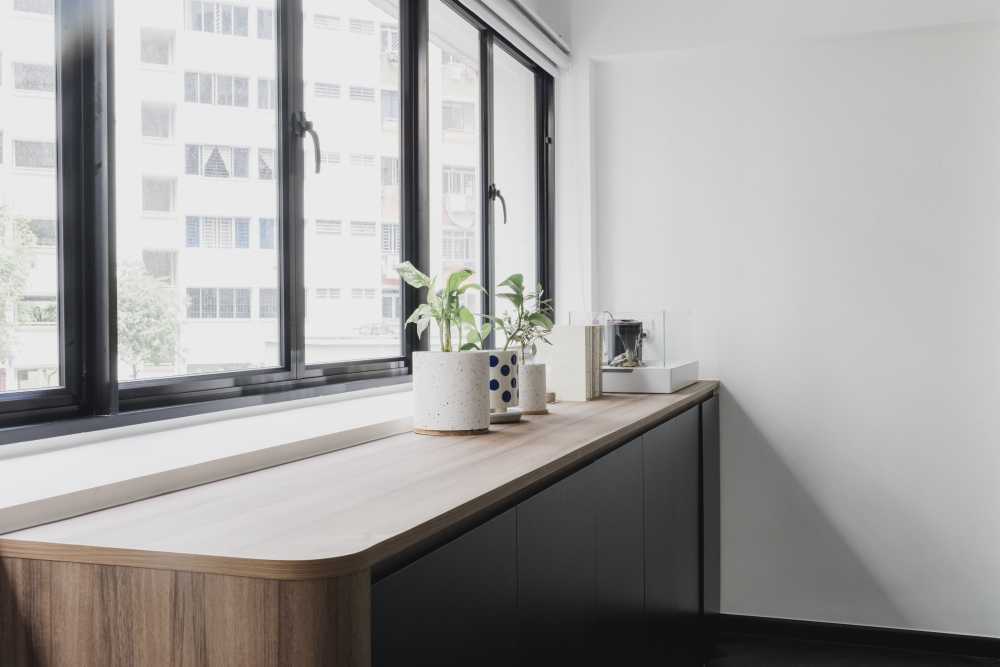
Source: unsplash.com
For example, washable wall paint in high-contact areas like dining zones or play areas helps reduce stress when accidents happen. Flooring that is resistant to scratches and spills also means less worry during everyday play.
Furniture choices matter too. Rounded edges, sturdy materials, and stable pieces reduce both safety concerns and maintenance issues. Even small decisions like choosing wipeable upholstery instead of delicate fabric can reduce long term cleaning effort.
It is not about making the home “childproof” in a restrictive way, but about making it resilient enough that daily life does not feel like a constant cleanup cycle.
Storage systems that reduce clutter and stress
Clutter builds up quickly in homes with young children, and the solution is usually not more storage, but better organised storage.
Simple, accessible systems work best. Low shelves, open baskets, and labelled zones help both children and adults know where things belong. When storage is easy to use, cleanup becomes part of the daily rhythm rather than a separate task.
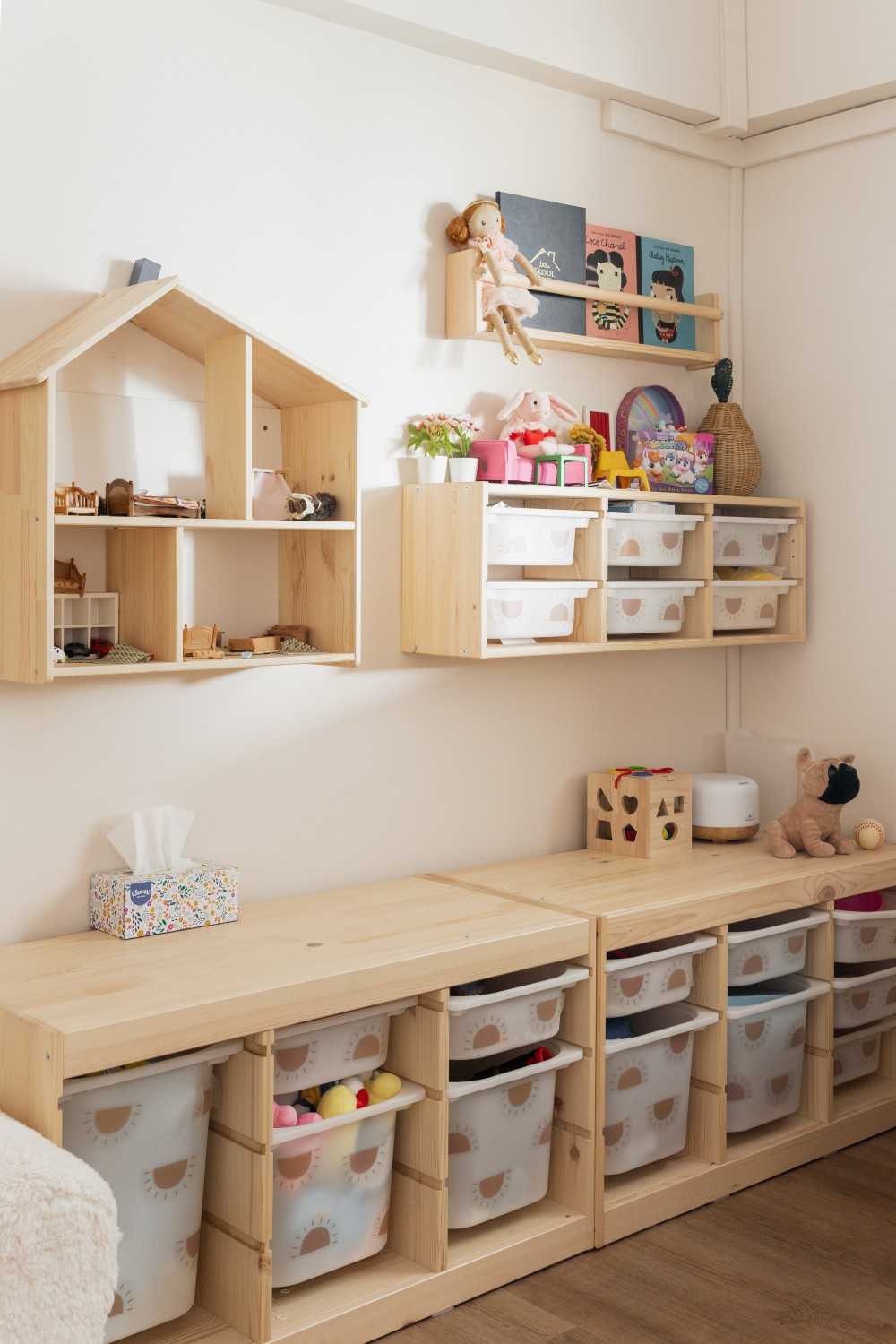
77 Telok Blangah ($38,500) by MET Interior
It also helps to group items by activity rather than category. For example, having a “play zone”, “school zone”, or “reading corner” makes it easier to reset the home quickly at the end of the day.
Category 3: If You’re a DINK Household
DINK households in Singapore often have more flexibility in how their homes are used. The focus tends to be on comfort, lifestyle expression, and creating a space that supports both work and relaxation.
Because of this, small upgrades often lean towards atmosphere and usability rather than practicality alone.
Designing a home that supports both work and rest
Even without a dedicated study room, many homes need some form of work zone. The key is creating separation without requiring structural changes.
This can be done through subtle zoning. A desk placed near a window with a dedicated lamp can feel like a defined workspace even in a studio or compact living room. Adding a rug or shelving unit can further separate work from relaxation areas visually.
Lighting plays an especially important role here. Cooler lighting helps with focus during work hours, while warmer lighting in the evening helps signal relaxation time. Having adjustable lighting options allows the same space to serve multiple functions throughout the day.
Small upgrades that elevate hosting and lifestyle experience
For many couples, the home is also a space for hosting friends or family. Small upgrades can make these moments feel more comfortable and intentional without major renovation work.
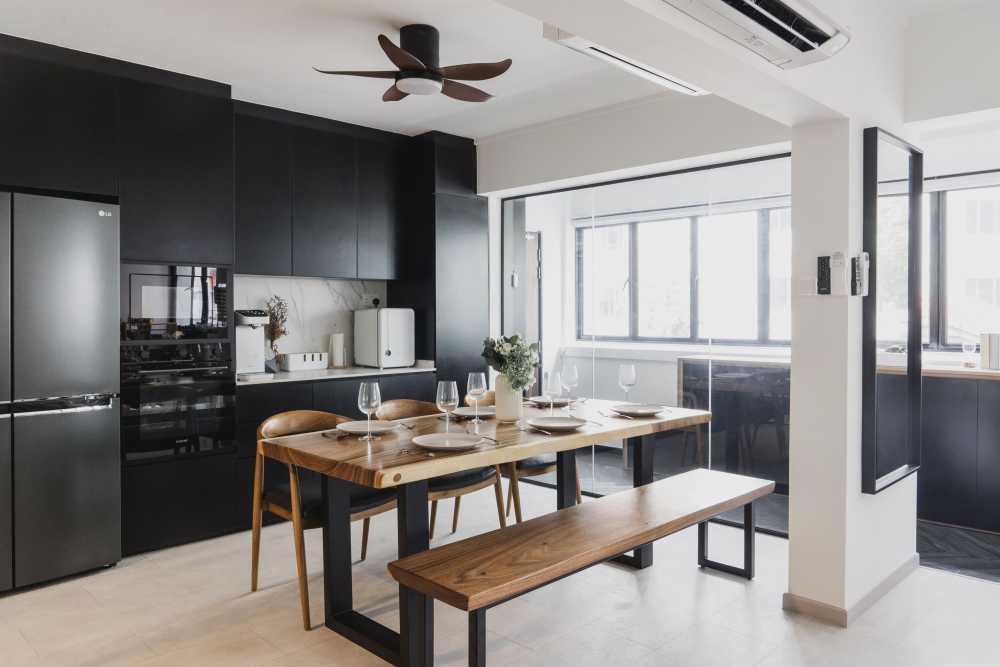
Dining lighting is one of the most effective changes. A well-placed pendant light or adjustable warm lighting can instantly make meals feel more inviting.
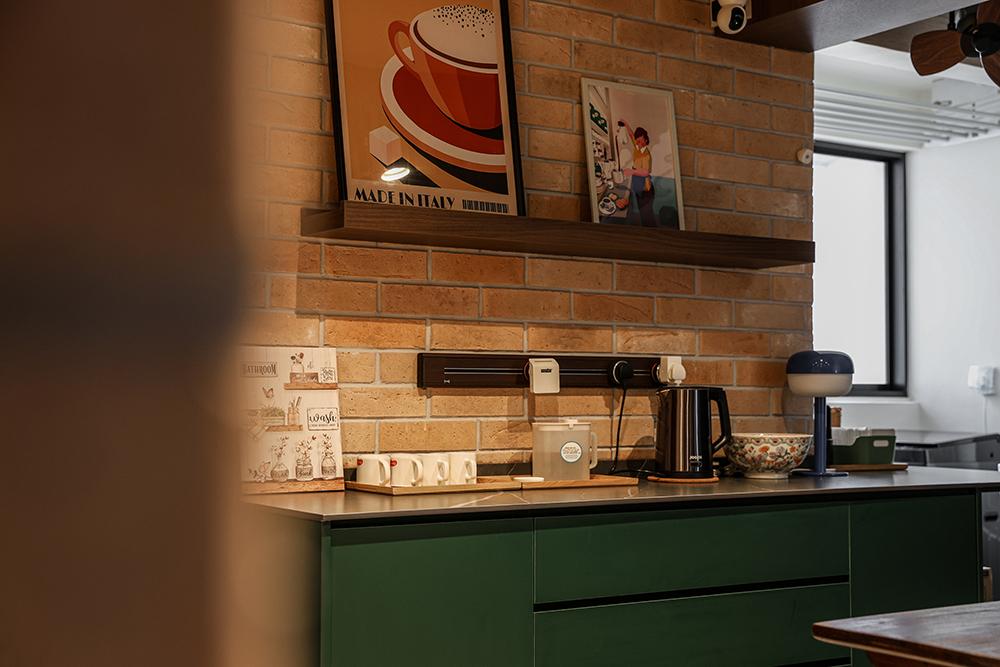
Point Crown ($93,000) by Noble Interior Design
Seating comfort also matters more than people expect. Even small changes like adding cushions, rearranging seating for better conversation flow, or choosing flexible chairs can improve how guests experience the space.
Finally, ambient touches like soft background lighting or simple decor changes can help shift the home from “everyday mode” to “hosting mode” with minimal effort.
Your home as an expression of personality
For many DINK households, the home is also a reflection of who they are, not just where they live. This is where small upgrades become more personal than functional.
Instead of generic decor, many homeowners bring in items with meaning. This could be pieces picked up during travels, small objects that remind you of places you have been, or items that naturally tell a story when placed around the home.
Wall prints are another simple way to do this. Rather than mass-produced art, some people customise prints based on their own photos, memories, or interests, making the space feel more personal.
For those who enjoy cooking or hosting, even a framed “menu” of your signature dishes can work well in the dining area. This adds character while also reflecting how the home is actually used.
The overarching idea is simple: choose items that reflect your life, not just fill empty space.
Category 4: If You’re Living Solo in a Compact Home
Living alone in a compact studio apartment comes with a different set of priorities. It is less about coordinating shared routines and more about making every corner of the home work hard without feeling cluttered or overwhelming.
The best upgrades here are the ones that improve flow, reduce visual mess, and make a small space feel comfortable for both daily routines and downtime.
Designing a home that feels open, functional, and easy to live in
In compact solo living spaces, layout efficiency matters more than almost anything else. Without careful planning, it is easy for a small home to feel crowded even when it is not actually full.
One useful upgrade is defining clear functional zones, even in an open layout. For example, separating your sleeping, working, and living areas through lighting, rugs, or furniture placement helps the home feel more structured. This makes the space easier to use mentally, not just physically.
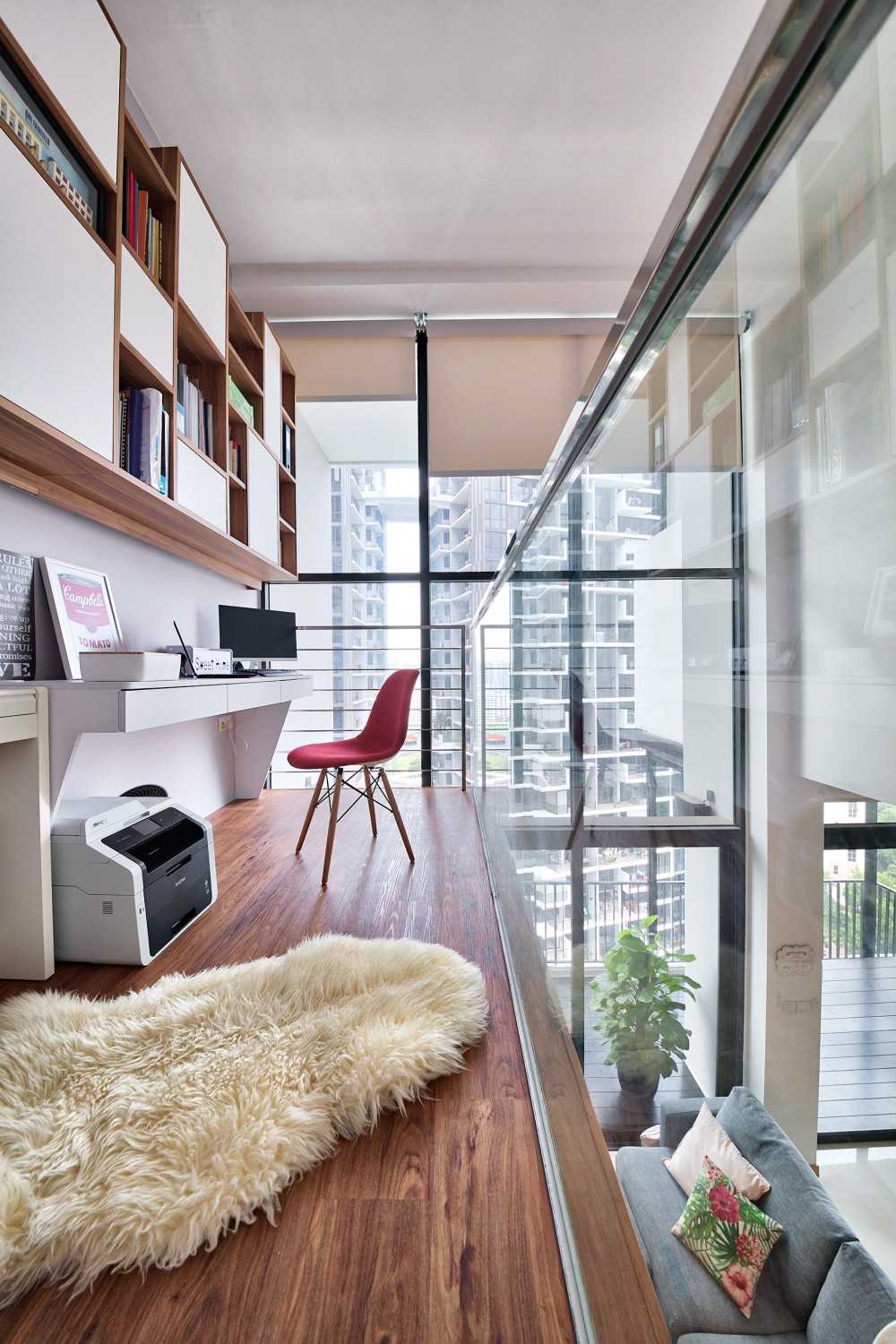
The Trilling ($79,000) by Free Space Intent
Storage also needs to be intentional rather than excessive. Instead of filling the home with large cabinets, smaller integrated storage solutions often work better. Think under-bed storage, slim wall-mounted shelves, or multi-purpose furniture like benches with hidden compartments.
Lighting upgrades also make a big difference here. Layered lighting, such as combining a ceiling light with a desk lamp and a softer ambient light, helps a small space feel less flat and more adaptable throughout the day.
The goal is to create a home that feels calm and open, even when every square metre is being used efficiently.
Upgrades That Improve Almost Every Home Type
Some improvements are universally useful, regardless of household type. These tend to focus on comfort, airflow, and organisation, which affect almost every Singapore home in similar ways.
Lighting, airflow, and temperature comfort upgrades
Lighting influences both function and mood. A single ceiling light often creates flat or harsh lighting, so layering different light sources can make a space feel more adaptable.
Airflow is equally important in Singapore’s climate. Ceiling fans help circulate air so rooms feel cooler without relying entirely on air conditioning. Keeping window areas unobstructed also improves natural ventilation, especially in cross-ventilated layouts.
Together, these changes help homes feel more comfortable throughout the day without major renovation work.
Small storage fixes that reduce everyday friction
Storage issues are often most noticeable in entryways, kitchens, and bathrooms. These are high-traffic areas where small inefficiencies quickly become daily frustrations.
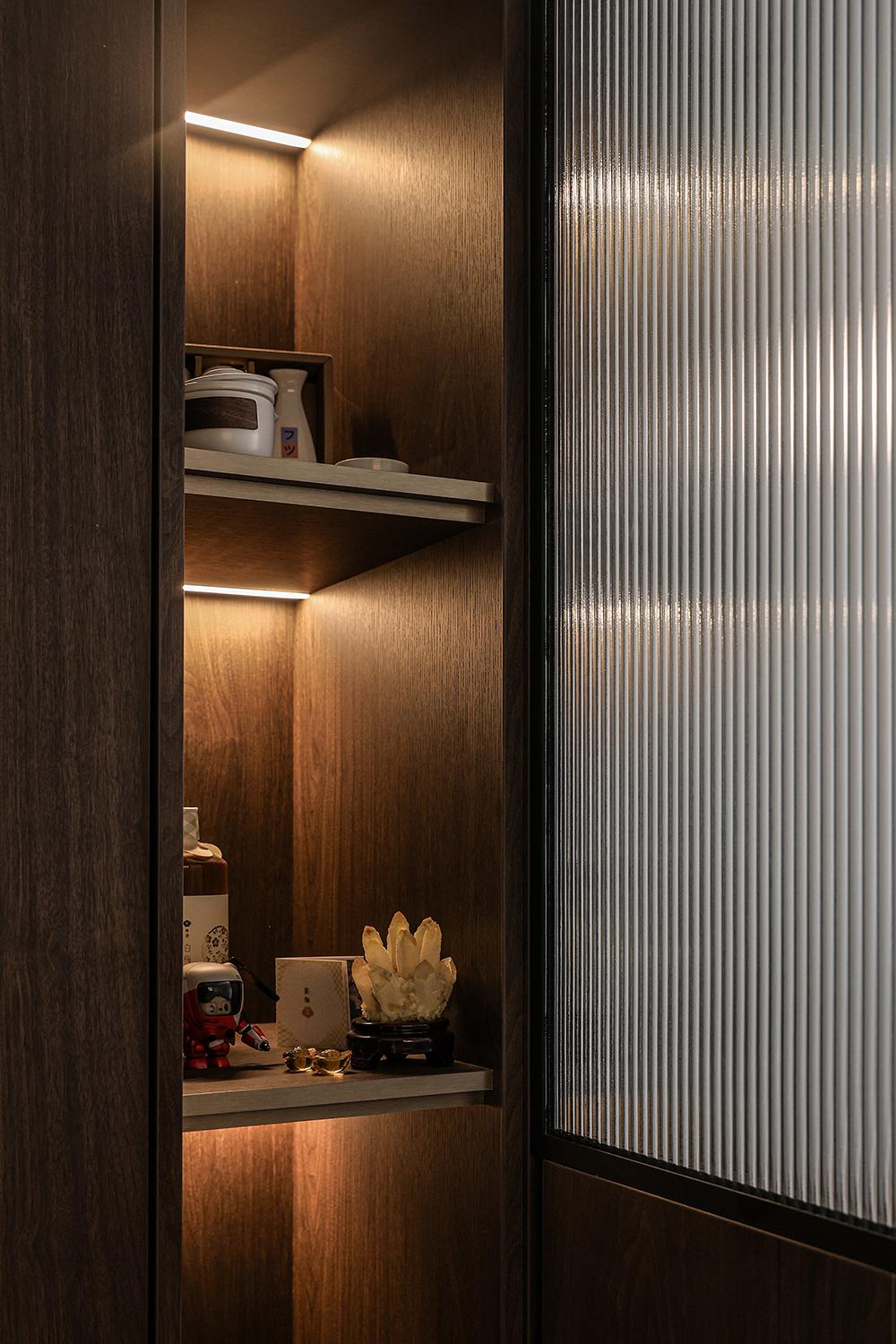
Telok Blangah Towers ($84,000) by Noble Interior Design
Simple additions like hooks near entrances, drawer dividers in kitchens, or compact bathroom shelves can make routines feel smoother. The goal is not more storage, but more accessible storage placed where it is actually needed.
When organisation becomes intuitive, the entire home feels easier to live in.
A Final Word On Renovating To Improve Your Daily Life
Small upgrades often have a bigger impact than major renovations because they directly improve how a home functions in daily life. When these changes are matched to your household type, they become even more effective.
Whether you are living with your parents, raising young children, or designing a lifestyle-focused home, small thoughtful adjustments can quietly transform how comfortable and functional your space feels every day.
Renovating soon? Speak to top rated interior designers.
Discuss your home renovation ideas and plans with top rated firms, recommended by past homeowners. Let us help you shortlist the most suitable interior designers for your project.