The Power of First Impressions: How to Design a Stunning Entryway
The entryway is the first space that greets you and your guests when they enter your home.
A well-designed entryway sets the tone for the entire house and serves as a welcoming introduction to your personal style. While it may be a small space, its design can have a big impact on the atmosphere of your home.
Let’s dive into how you can create a stunning entryway that is both functional and aesthetically pleasing.
1. Understand the Purpose of Your Entryway
Your entryway serves two main purposes: functionality and aesthetics.
On one hand, it’s a practical space that needs to help you store items like shoes and bags while keeping your home organized. On the other, it’s an opportunity to create a welcoming environment that makes a lasting impression on anyone who enters.
The key to designing a stunning entryway is balancing both of these aspects—functionality should never be sacrificed for style, and vice versa.
2. Consider the Flow of the Space
When designing an entryway, consider how people will move through the space. You want to create a flow that’s easy and comfortable, without overcrowding or making the area feel cramped.
In smaller homes, especially in cities like Singapore, entryways can be quite compact, so it’s important to maximize the use of every inch. A clear and open pathway should allow you to move from the door into the main living area with ease. Consider the natural traffic flow and avoid obstructing it with bulky furniture.
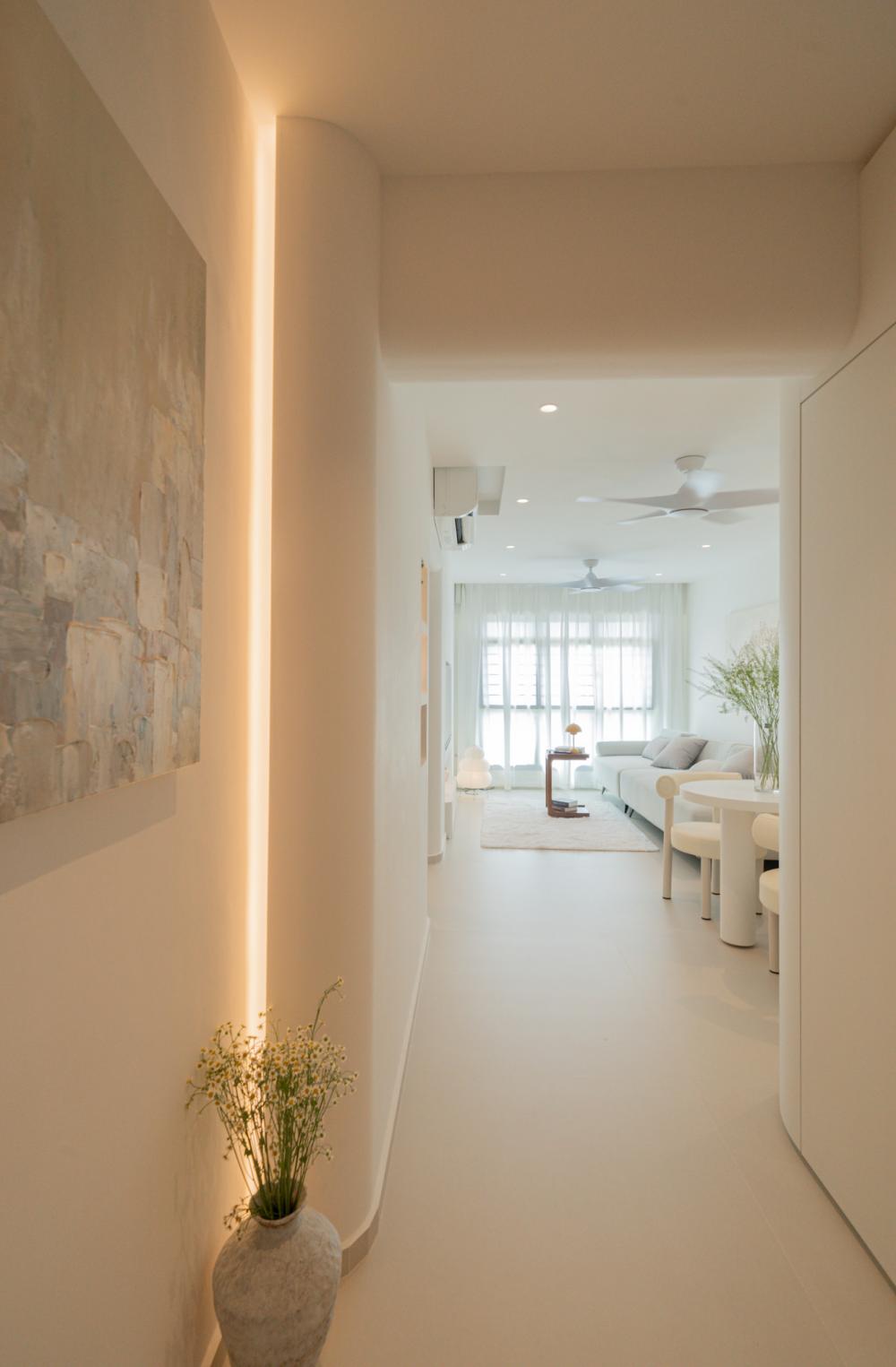
Tampines Green Gem ($65,000) by The Real Design
A current trend we see in Singapore is where homeowners intentionally lower the height of the entryway by adding a feature at the ceiling. This creates a more intimate atmosphere before stepping into the main living space, where the ceiling height is often taller.
While this can be a striking design choice, it’s best suited for homes with tall ceilings—such as landed properties or ground-floor condos. If your ceilings are on the shorter side, this design might make the entryway feel more cramped, so we recommend skipping this look if you’re working with a smaller space.
3. Choose the Right Color Palette
Color plays a powerful role in setting the mood for your entryway. The colors you choose will dictate whether the space feels warm and inviting or cool and sleek. For a welcoming atmosphere, warm tones like soft beiges, creams, and light pastels are ideal, while cool tones like greys and blues lend a more modern, minimalist feel.
Bright colors can make the space feel larger, while darker shades create a cozier, more intimate atmosphere.
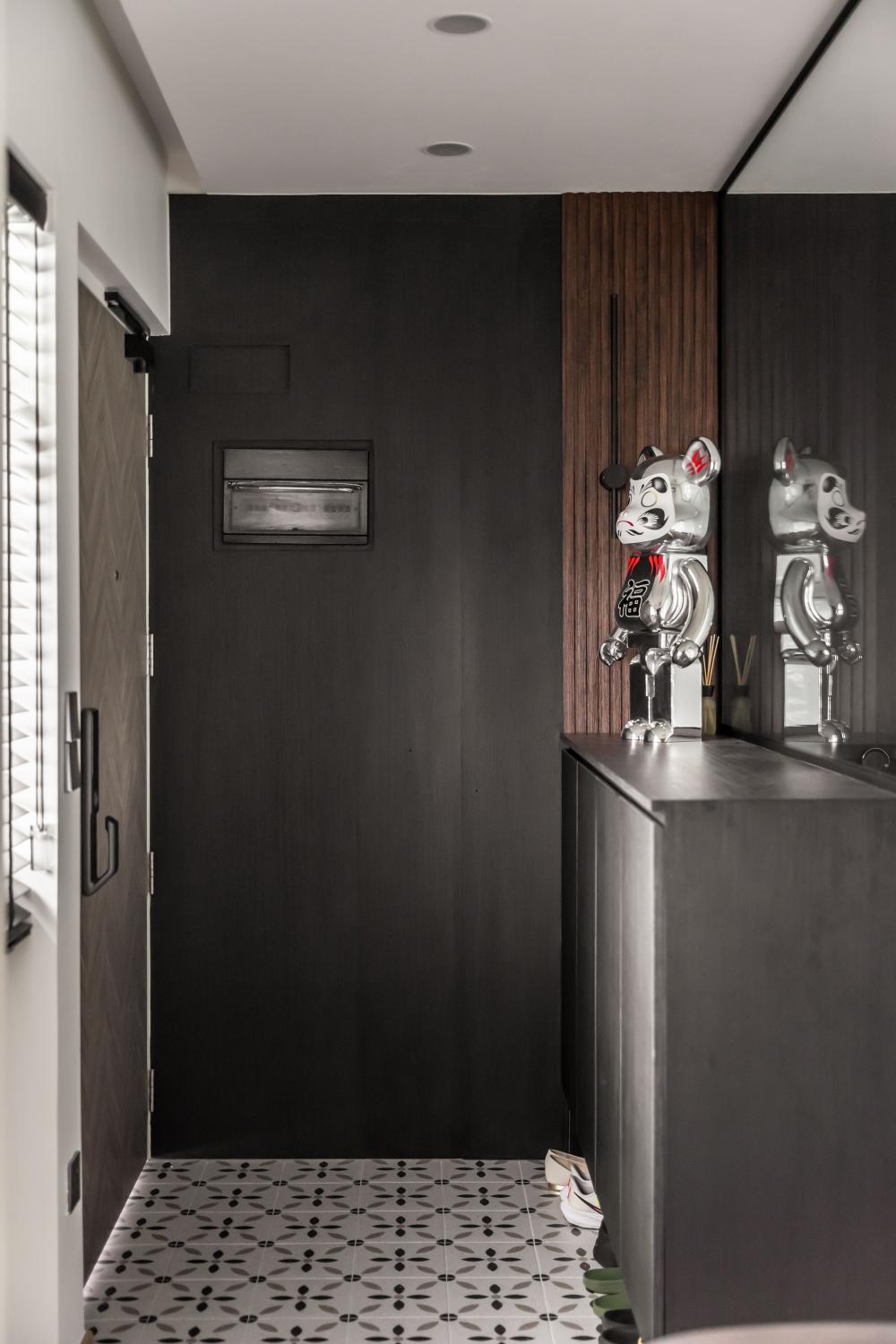
Ang Mo Kio (594) ($60,000) by Studio 65
If you’re working with a smaller entryway, consider using lighter shades or even an accent wall to make the space feel more open. Neutral tones paired with a bold accent color can also add sophistication without overwhelming the space.
Flooring is another area where you can express personality. Some homeowners choose to incorporate unique materials, like Peranakan tiles, which add a vibrant touch and help demarcate the entryway from the rest of the home. This can be a fun way to inject character into the space, turning a functional area into a memorable first impression.
4. Built-In Cabinets and Storage
In Singaporean apartments, where entryways tend to be small, built-in storage is a popular solution to maximize space. Custom-built cabinets or shelves help keep your entryway neat and organized while allowing for a sleek, streamlined look. Built-in storage also offers the added benefit of concealing the bomb shelter door, a common feature in Singaporean homes.
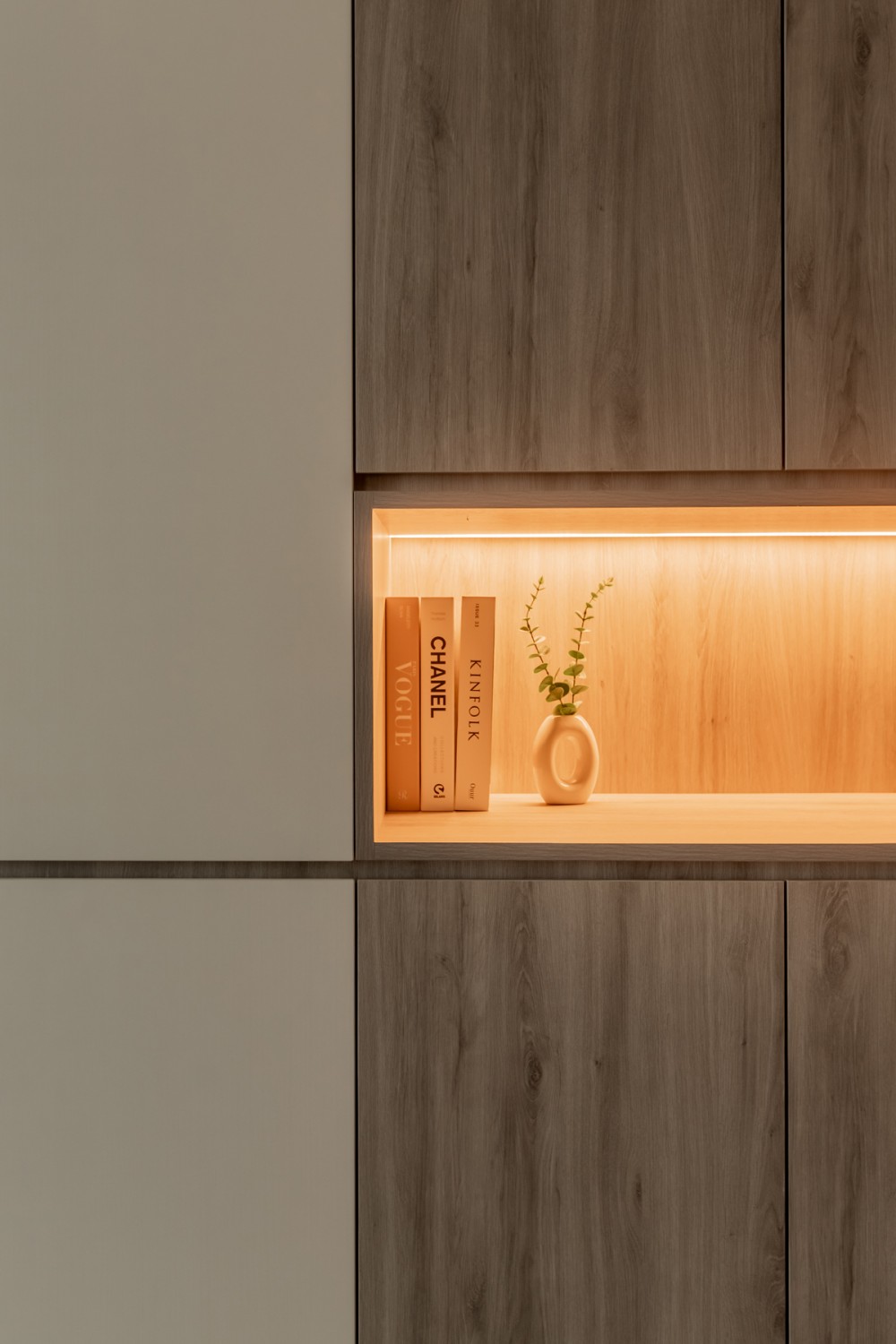
Mirage Tower ($150,000) by U-Home Interior Design Pte Ltd
When designing built-in carpentry for your entryway, it’s important to include functional elements that cater to your daily needs while maintaining a clean and stylish look. Here are some features to consider:
- A Seating Area: Incorporating a small bench or seating area allows you to comfortably sit down to wear or take off your shoes. This is especially helpful in smaller entryways where space can be tight, and it’s an easy way to bring in some practicality without sacrificing style.
- A Mirror: Including a mirror in your entryway not only serves a practical purpose but can also make the space feel larger. A well-placed mirror adds depth and reflects light, helping the area feel more open and welcoming.
- Shoe Storage: If you’re not keen on having a fully enclosed cabinet, consider leaving a gap at the bottom for easy access to your most frequently worn shoes. This makes it convenient to slip in and out of shoes without having to open any doors, making the space more functional for daily use.
- Customizable Shelving: Consider how you want the shelves configured in your built-in storage. Do you need tall shelving for items like umbrellas, or perhaps wider spaces for larger items like bags or hats? Having the right shelf heights and widths will ensure everything has a designated place.
- Space for Smart Devices: If you have a robot vacuum, consider designing a built-in area for it to dock. This could be a designated open space at the bottom of your built-in storage, where your robot vacuum can automatically recharge, keeping it out of sight but easily accessible when needed
- Lighting: Adding lighting, such as LED strips, to your built-in carpentry can dramatically enhance the overall look of your entryway. LED strips not only add a modern and sleek touch but also provide ambient lighting that makes the space feel more inviting and polished, especially in a smaller entryway.
5. Select Furniture and Decor
When choosing furniture and decor, prioritize functional pieces that complement your space. A slim console table, for instance, can hold keys, mail, and small decorative items without taking up too much room. If you want additional seating, consider a bench with hidden storage or a compact, stylish chair that doesn’t overpower the space.
To elevate the look, incorporate statement decor like a large mirror or a piece of artwork above the console table. A rounded mirror, for example, adds visual interest and reflects light, helping the space appear larger. Flowers in a vase, along with a carefully chosen decorative item like a fancy hand moisturizer, complete the stylish yet functional design.
6. Lighting For Your Entryway
Lighting is essential in creating an inviting entryway. Proper lighting can make the space feel brighter and more welcoming, while also highlighting key design features.
On top of the LED lighting that you may already have in your built-in cabinets, choose lighting fixtures that suit the style of your home. Pendant lights, sconces, or even a small chandelier can make a bold statement in a small entryway.
Additionally, layer the intensity of your lighting to add depth to the space. If you already have overhead lighting, consider adding a table lamp on the console table for softer, ambient light that creates a warm atmosphere. Remember, lighting should be both practical and decorative, improving the overall aesthetic while making the entryway functional for daily use.
7. Maximize Storage Without Clutter
The entryway is often a high-traffic area that can quickly accumulate clutter, from shoes to bags and keys. To maintain a clean and organized space, incorporate storage solutions that keep everything out of sight yet easily accessible. Built-in storage, wall-mounted hooks, and baskets are perfect for creating hidden compartments that allow you to store essentials while keeping the entryway tidy.
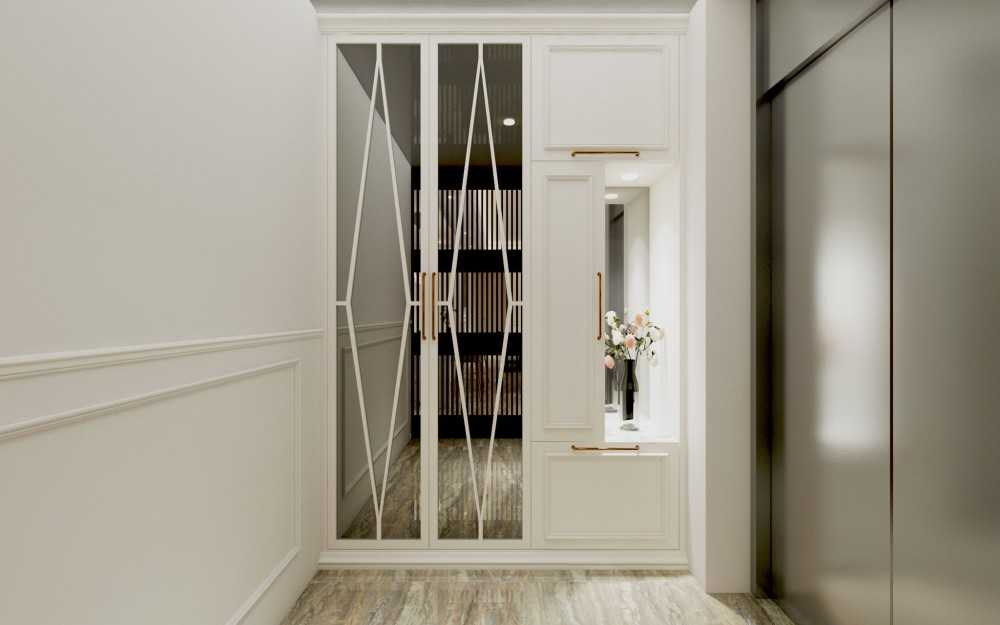
Goodwood Residence ($100,000) by Design Avenue
Consider multifunctional furniture pieces that serve both decorative and storage purposes, such as a bench with storage or a console table with drawers. This way, you’re able to conceal everyday items like shoes and bags while still maintaining a chic, clutter-free entryway.
8. Bringing Life to Your Entryway with Plants
Adding greenery to your entryway is a simple yet effective way to make the space feel more welcoming and lively. Plants not only improve aesthetics but also improve air quality and create a sense of calm as you step into your home.
When choosing plants for your entryway, consider the lighting conditions. If your entryway gets natural light, low-maintenance options like pothos and peace lilies work well. For dimly lit spaces, opt for hardy plants like snake plans and ZZ plants, or even high-quality artificial plants for a touch of greenery without the upkeep.
Placement is key—small potted plants can sit on a console table, while taller plants can frame the entrance and make a statement. If floor space is limited, consider hanging planters or wall-mounted shelves with trailing greenery.
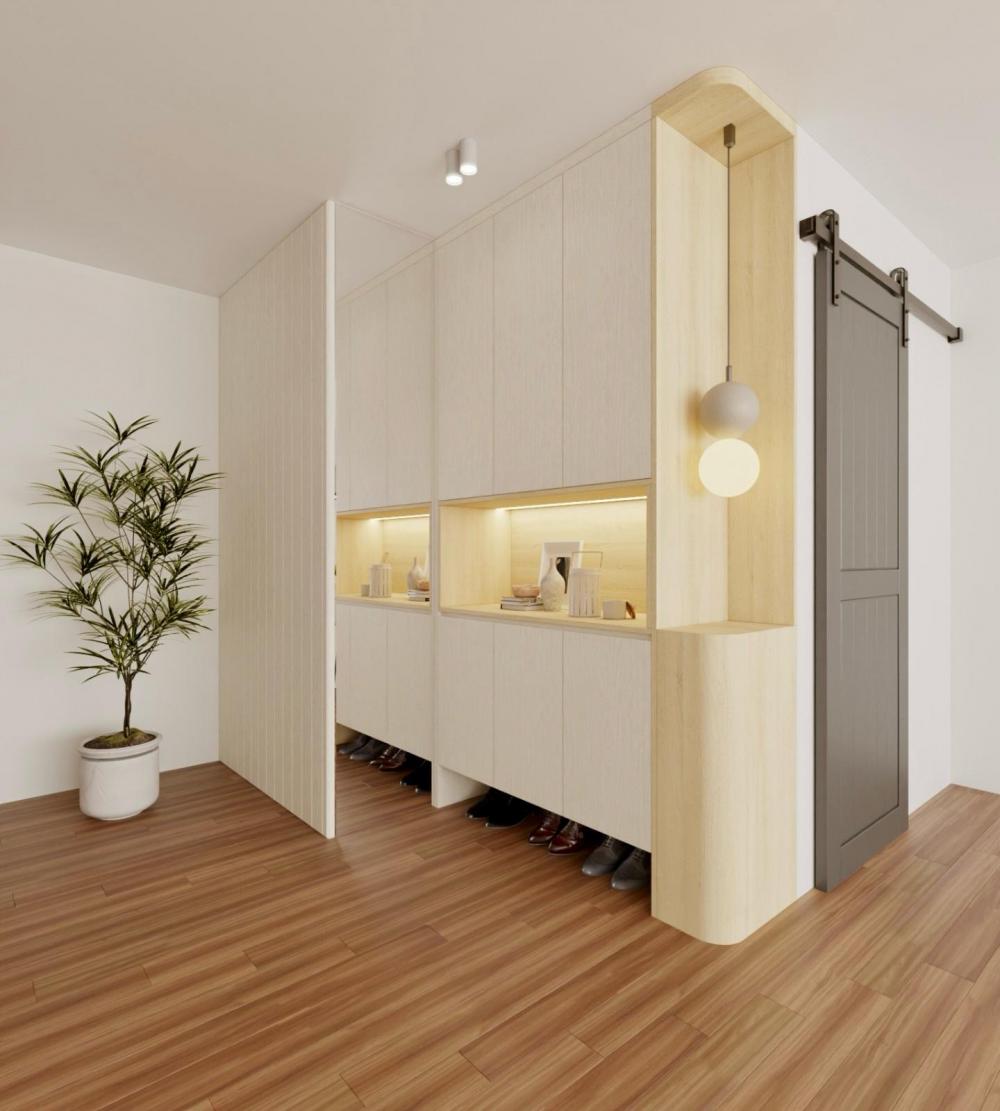
Tampines GreenGlen ($40,000) by Co1 Studio
If you’re concerned about soil spills or maintenance, consider plants that thrive in water, such as lucky bamboo, pothos, or monstera cuttings. These can be placed in stylish glass vases or decorative jars for a clean, modern look. Not only do they eliminate the mess of soil, but they also add a refreshing, minimalist touch to your entryway.
9. Smart Home Integration for Convenience
With smart home technology becoming more accessible and user-friendly, integrating it into your entryway can enhance both security and convenience. A well-equipped smart entryway not only makes daily routines smoother but also improves energy efficiency and provides peace of mind.
Smart Locks
Traditional keys can be easily misplaced, and fumbling with them while carrying groceries or bags can be inconvenient. Smart locks offer a seamless solution by allowing keyless entry via PIN codes, fingerprint recognition, or mobile app control.
Motion-Sensor Lighting
Motion-sensor lighting improves both convenience and energy efficiency by automatically illuminating your entryway when movement is detected. This ensures a well-lit space when you arrive home, eliminating the need to fumble for switches in the dark.
Smart Home Assistants
A smart speaker or display near the entryway can serve as a command center for your daily activities. Placing a device like an Amazon Echo, Google Nest Hub, or Apple HomePod by the door allows for:
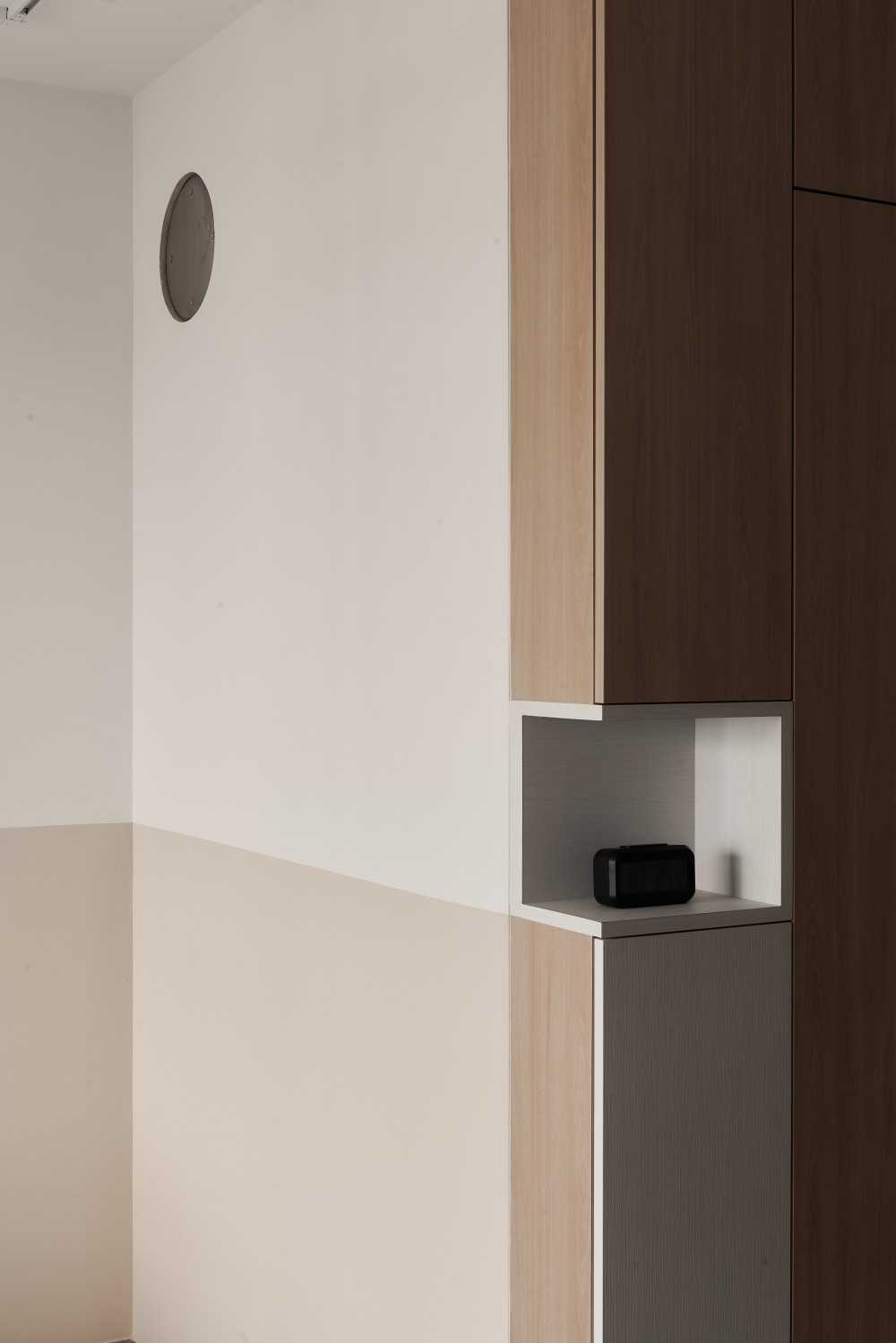
640 Senja Close ($25,000) by Starry Homestead Pte Ltd
- Reminders & Schedules: Get updates on your calendar, to-do list, or weather forecast before leaving the house.
- Hands-Free Communication: Use voice commands to make calls, send messages, or check traffic updates before heading out.
- Music & Ambiance: Walk into your home with your favorite playlist or soothing background music playing automatically.
Smart Doorbells and Security Cameras
For added security, integrating a smart doorbell with a camera allows you to monitor your front door remotely.
- Live Video Feeds: See who’s at your door via your phone or smart display, whether you’re home or away.
- Two-Way Audio: Speak to visitors (or delivery personnel) without opening the door.
- Motion Detection Alerts: Get real-time notifications if unusual movement is detected near your entryway.
10. Altar Tables
For some Chinese families, having an altar table at home is a meaningful tradition. It serves as a space for ancestral worship or religious practices, making it an important part of the home’s design.
While traditional altar tables often feature intricate carvings and a rich wooden finish, there are many ways to integrate this element into a modern home. If the classic style clashes with your overall aesthetic, consider a more minimal and contemporary approach.
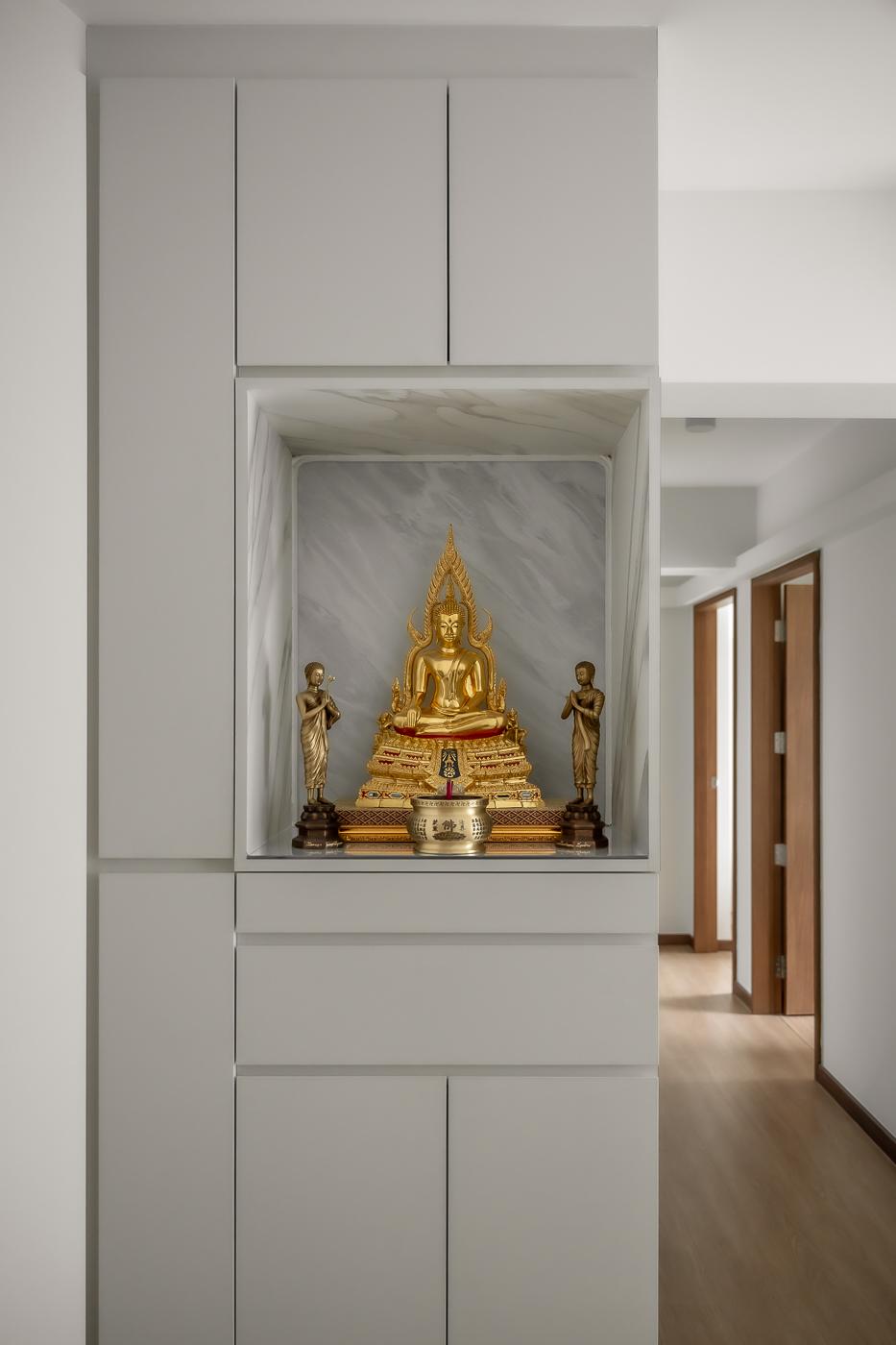
954C Tampines St 96 ($45,000) by Dan Avenue Pte Ltd
A sleek, built-in altar table with clean lines and neutral tones can blend seamlessly with modern interiors while still honoring tradition. You can also opt for a floating shelf or a compact, wall-mounted design if space is limited.
Thoughtful styling—such as incorporating soft lighting, subtle decorative elements, or even a concealed storage compartment—can help the altar area feel intentional and harmonious within your entryway.
[BONUS] How To Optimize Your Entryway
If you’re not looking to completely renovate your entryway but still want to make it more functional, small changes can go a long way. The key is to minimize clutter and create a space that supports your daily routine.
Customize for Your Daily Routine
Think about what you do as soon as you walk in the door. If you habitually change shoes, consider integrating an accessible shoe rack or a partially open cabinet where your most-worn shoes are always within reach. Incorporate a small bench with hidden storage to provide both seating and a spot to keep frequently used items, ensuring your transition from outdoor to indoor life is smooth and efficient.
Create a Dedicated Drop Zone
Instead of letting keys, bags, and other essentials pile up, establish a clearly defined drop zone. This area should have designated spots for everyday items—a stylish tray or bowl for keys and small gadgets, wall-mounted hooks for bags, and a leather catchall for wallets. By assigning a home for each item, you reduce clutter and streamline your routine.
For families with children, extend this system to manage the extra load of school gear and activity equipment like ballet shoes or soccer cleats. Incorporate lower hooks, dedicated cubicles, or bins specifically for kids’ items so they have their own space to store backpacks and sports gear. This not only keeps the entryway neat but also helps teach kids to organize their belongings from an early age.
Maximize Vertical and Hidden Storage
In compact spaces, every inch counts. Use vertical storage solutions like slim cabinets or wall-mounted shelves to keep items off the floor while maintaining a clean look. A tall, narrow cabinet can serve as a spot for umbrellas or seasonal items, and pull-out features within built-in carpentry can hide everyday clutter, preserving a minimalist aesthetic.
Embrace Multi-Functional Furniture
Opt for pieces that serve dual purposes. A console table with drawers can function as both a display area and storage unit, while a seating area might also accommodate a spot for your robot vacuum to dock. Multi-functional furniture maximizes your space and adds a layer of convenience to your daily routine.
Personalize and Maintain Your System
Finally, ensure your entryway stays functional by periodically decluttering and adjusting your system. Use clear storage bins or labels to keep items organized, and add personal touches like artwork for warmth and style. With a few smart tweaks, your entryway will not only look inviting but also support your day-to-day life with ease.
A Final Word on Designing Your Entryway
Ultimately, your entryway should be functional, organized, and welcoming. By carefully considering the layout, selecting the right furniture and decor, and utilizing clever storage solutions, you can design an entryway that not only makes a powerful first impression but also serves as a functional space that works for you.
Whether you’re in a spacious home or a compact apartment, the key is to balance style with practicality, so you can create a space that’s both beautiful and functional.
Want to check out home renovation projects for more inspiration? Browse interior design ideas on Hometrust, or click the button below to get connected with expert designers!
Renovating soon? Let Hometrust recommend the best interior designers.
If you are reading this, you are probably wondering how you can create your dream home.
Here’s the thing, everyone’s needs and requirements for their home renovation is different. A designer that may work for someone else, may not quite work for you.
At Hometrust, we’re here to help match top rated designers, recommended by past homeowners to you through our data-driven and matching algorithm.
Whether you are looking for partial renovation or a full fledge overhaul, we’ll be able to recommend you top designers to match your renovation requirements and lifestyle.
Recommendations and free and you can simply start by helping us understand your needs below!
Get RecommendationsRenovate safe!
The Hometrust Team