The Ultimate Guide to Designing a Kids’ Room That Grows With Them
Designing a child’s room can feel like planning for a moving target. One moment, you’re baby-proofing corners and stocking up on stuffed toys—and before you know it, your kid wants a study desk, more privacy, or a space for hobbies. In compact Singapore homes, where space is precious and storage is tight, the idea of redoing a kid’s room every few years just isn’t practical.
The good news? You can design a kids’ room that evolves with them, with just a little smart planning up front. Here’s how.
Understand the Key Growth Phases
Before diving into furniture choices or layout ideas, it helps to understand why kids’ rooms need to evolve. Children’s developmental needs shift in clear stages — and each stage brings a new way of living, playing, and thinking.
Recognising these changes early helps you plan a room that isn’t just cute for now, but practical and personal over time. In Singapore’s compact apartments, this kind of foresight also prevents unnecessary spending and messy overhauls down the line.
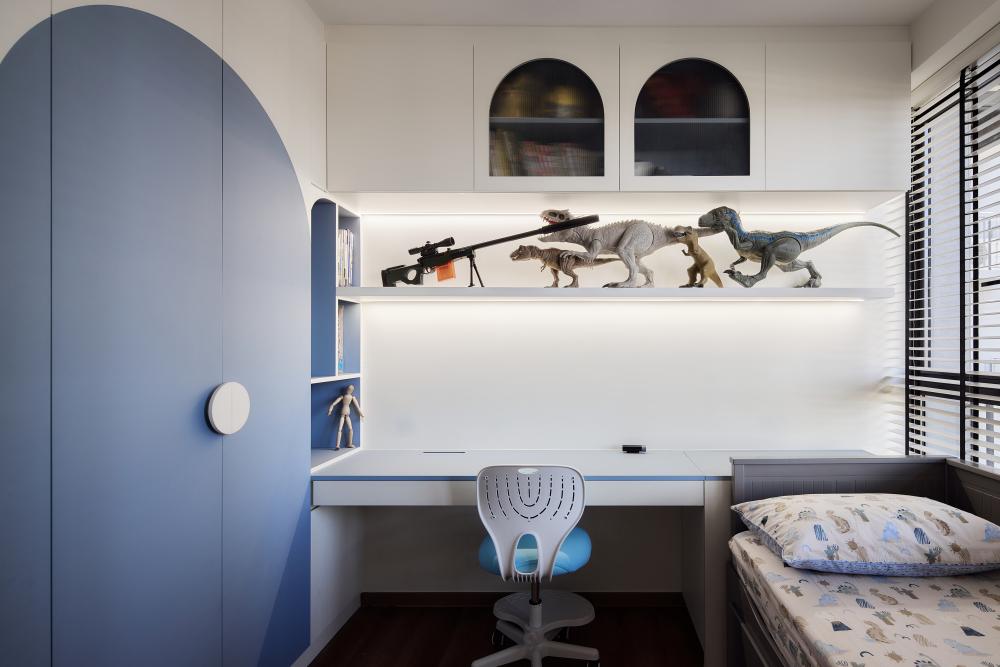
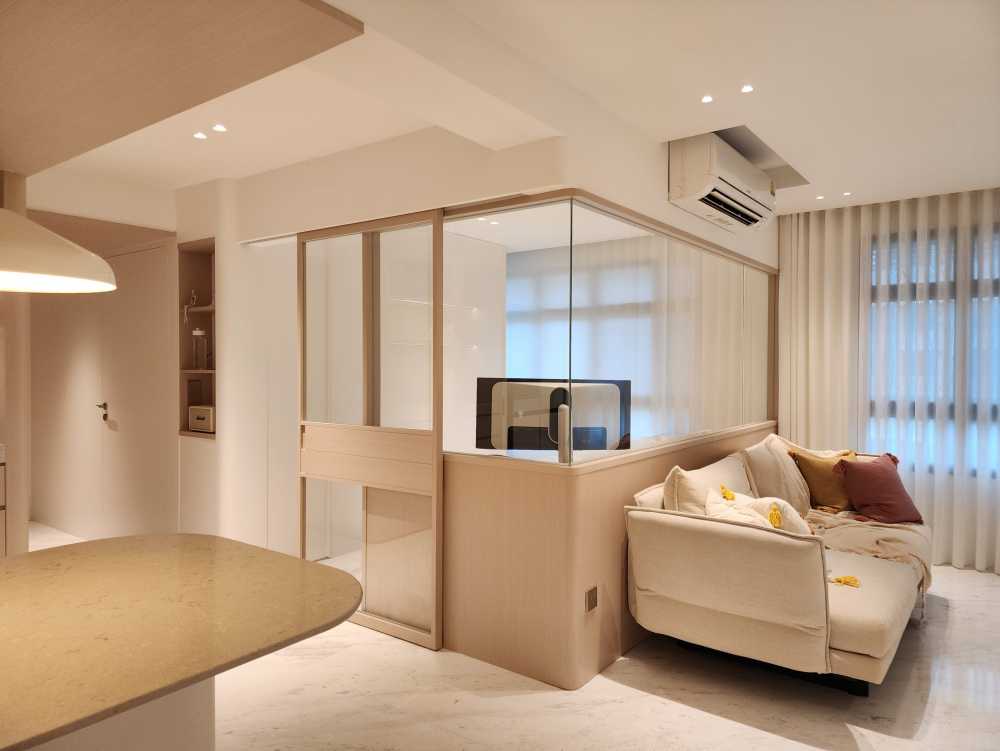
Parc Central Residences 1 ($78,000) by Starry Homestead Pte Ltd
Let’s break down how children’s needs typically change — and what that means for your long-term design strategy.
🧸 Ages 1–5: Toddler to Preschool
In these early years, your child’s world is mostly physical and sensory. They explore through movement and touch, and their sense of space is still developing. The room needs to support active exploration, safety, and routine — think naptime, toy rotation, and calming down at night.
But here’s the catch: this stage is short. Within a few years, the same child who was crawling across a padded mat will be asking where to hang their school bag. So, it’s smart to avoid fixed, themed setups and instead focus on creating an environment that can easily be reshuffled.
📚 Ages 6–12: Primary School Years
Once school starts, a shift happens. The child now needs mental space — somewhere to focus, learn, and explore emerging interests. Their room becomes more than a playground; it’s also a launchpad for ideas, experiments, and mini obsessions (hello dinosaurs, K-pop, and pokemon).
Emotionally, they also start asserting their likes and dislikes. This is a good time to involve them in decision-making — within limits. Giving them small choices (like colour accents or display items) builds confidence and lays the foundation for independent thinking.
Planning-wise, this stage is about layering complexity onto the space without changing its core structure. That way, you don’t have to rip everything out when they enter the next phase.
🎧 Ages 13+: Teenage Years
The teenage phase brings the biggest psychological shift. Teens crave privacy, self-expression, and autonomy. Their room becomes a personal retreat — a mix of workspace, bedroom, and hangout zone.
This is often when families realise whether the room has enough flexibility built into it. If the layout or furniture choices made years ago are too rigid, you might now be facing expensive fixes.
That’s why it pays to plan ahead. A room that once felt “kid-sized” should be able to stretch into adolescence. Not necessarily by being bigger — but by being adaptable.
💡 Design Philosophy: Think Long-Term, Not Just Cute
Instead of designing for a child’s current age, think in terms of transitions. Ask yourself:
- What parts of this room can stay the same as they grow?
- What can be swapped out without too much effort or cost?
- How can I give them more ownership of the space over time?
Designing a kids’ room that grows with them is about embracing evolution, not perfection. It’s about creating a space that’s not locked in time, but open to who they’re becoming.
This mindset will shape the way you choose materials, plan storage, and even think about layout — and that’s exactly what the rest of this guide will walk you through.
Step 1: Plan a Flexible Layout
In small apartments, layout is everything. Instead of thinking in terms of one permanent setup, try approaching your child’s room as a collection of flexible zones. These zones can be redefined as your child grows, without having to renovate the whole room or buy entirely new furniture.
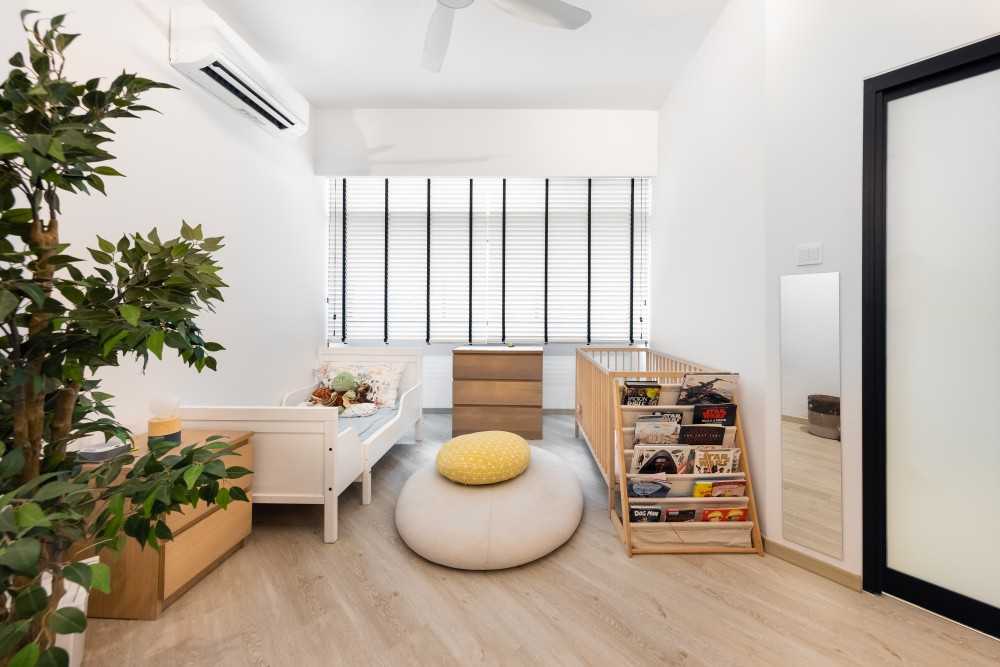
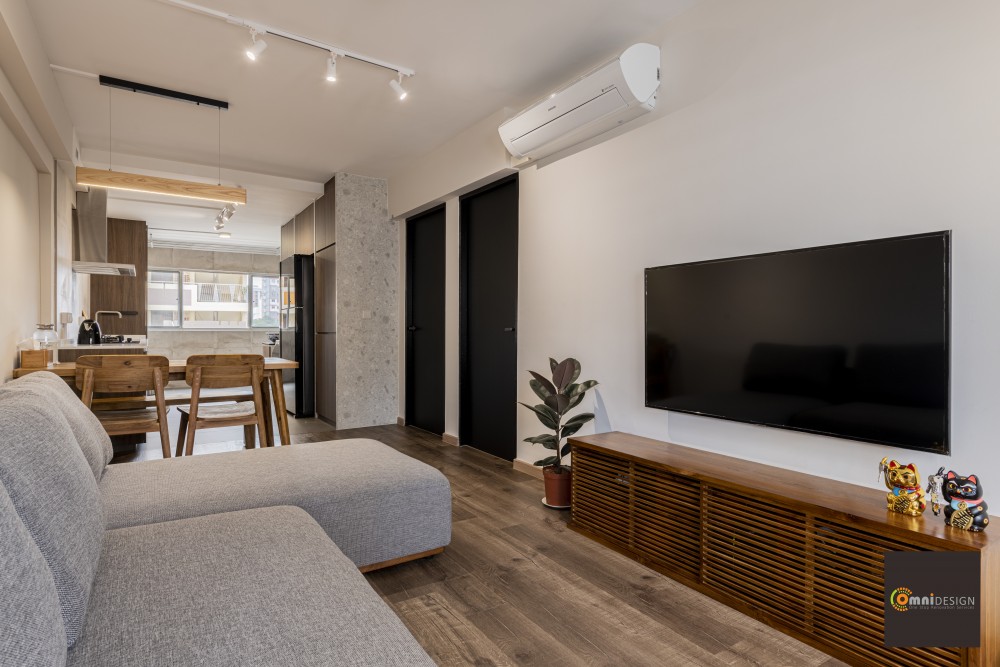
Mandarin Gardens ($75,000) by U-Home Interior Design Pte Ltd
Designing in zones isn’t just about organising—it’s a way of future-proofing your space. It helps you stay one step ahead of your child’s evolving needs while making the room feel intuitive and functional at every age.
Here are the four key zones to consider:
The Sleep Zone
This is the emotional anchor of the room. Especially for younger kids, having a safe and comforting sleep area helps build healthy routines. A low bed or floor mattress is ideal for toddlers, but as they grow, consider a single bed with under-bed drawers or even a loft bed to free up floor space below.
Soften the area with warm lighting, a reading light, and maybe a small side table for books or water. Keep the design neutral where possible—character bedding or wall decals can provide personality without locking you into a theme.
The Study Zone
Even if your child isn’t school-aged yet, it’s worth carving out a small space for quiet activities like colouring or puzzles. Later, that same spot can become their homework nook.
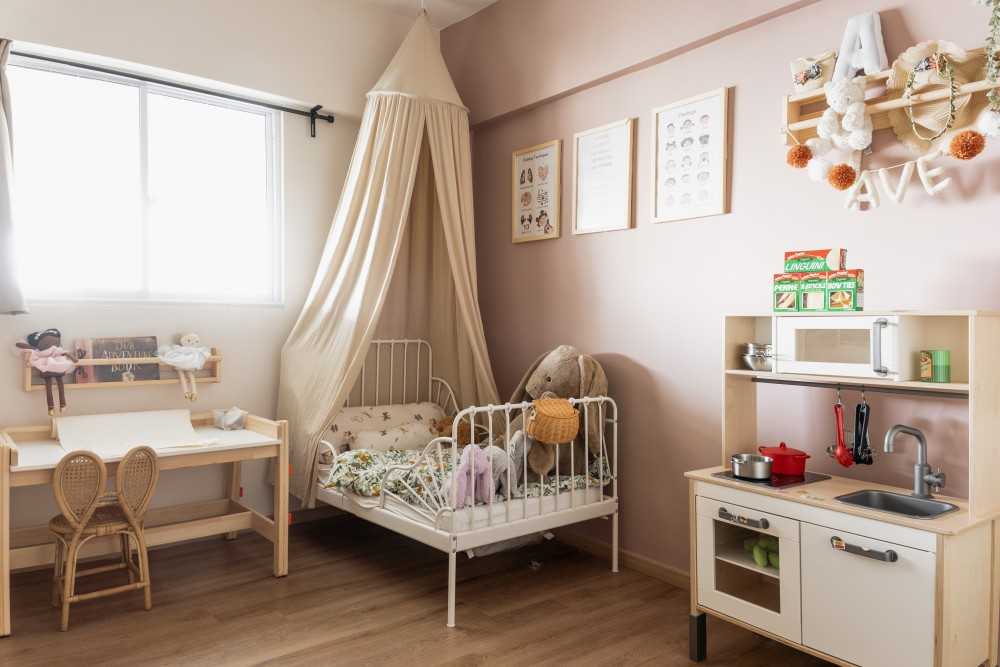
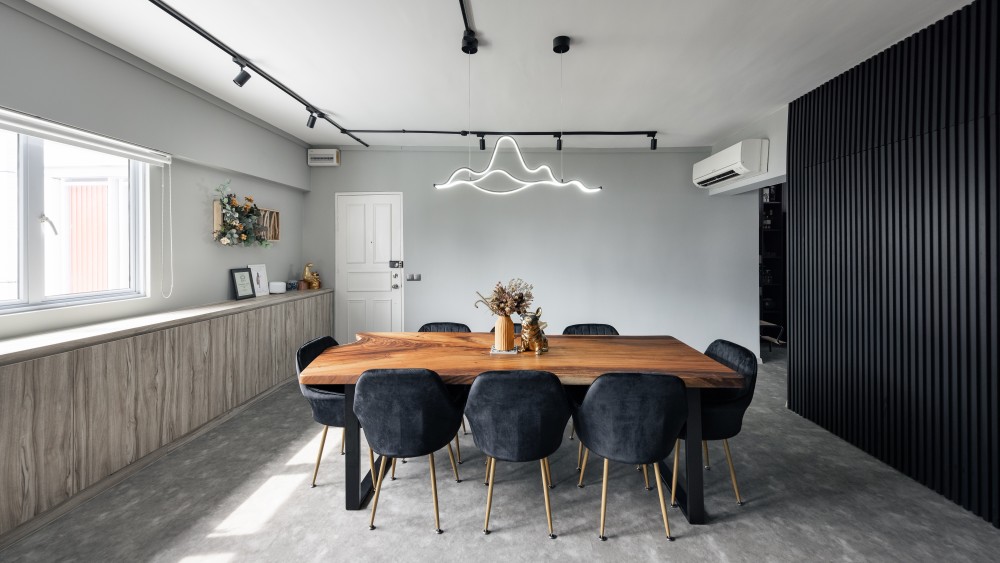
77 Telok Blangah ($38,500) by MET Interior
In tight Singapore rooms, this might be a wall-mounted desk that folds down, or a slim writing table tucked beside a wardrobe. Add shelves above to maximise vertical space. If you have more than one child sharing a room, using the same layout for each side can help prevent squabbles over space later.
The key is to give this zone a sense of purpose early on—it helps kids learn that there’s a place for everything, including focus.
The Play/Hobby Zone
This is the most changeable zone, and that’s by design. When your child is young, this might be open floor space for crawling and building block towers. Later, it could be a spot for music practice, crafts, or even gaming.
Leave this area as open and flexible as possible. You can use soft rugs, modular mats, or even a small movable table. Keep storage mobile—rolling carts or baskets make it easy to tidy up and reconfigure.
Design-wise, this is where you can have the most fun. Use artwork, posters, or a magnetic board to reflect your child’s current passions, knowing it’s easy to refresh later.
The Storage Zone
Storage doesn’t have to eat into floor space. Build up, not out. Use wall-mounted shelves, pegboards, or tall cabinets with a mix of open and closed compartments.
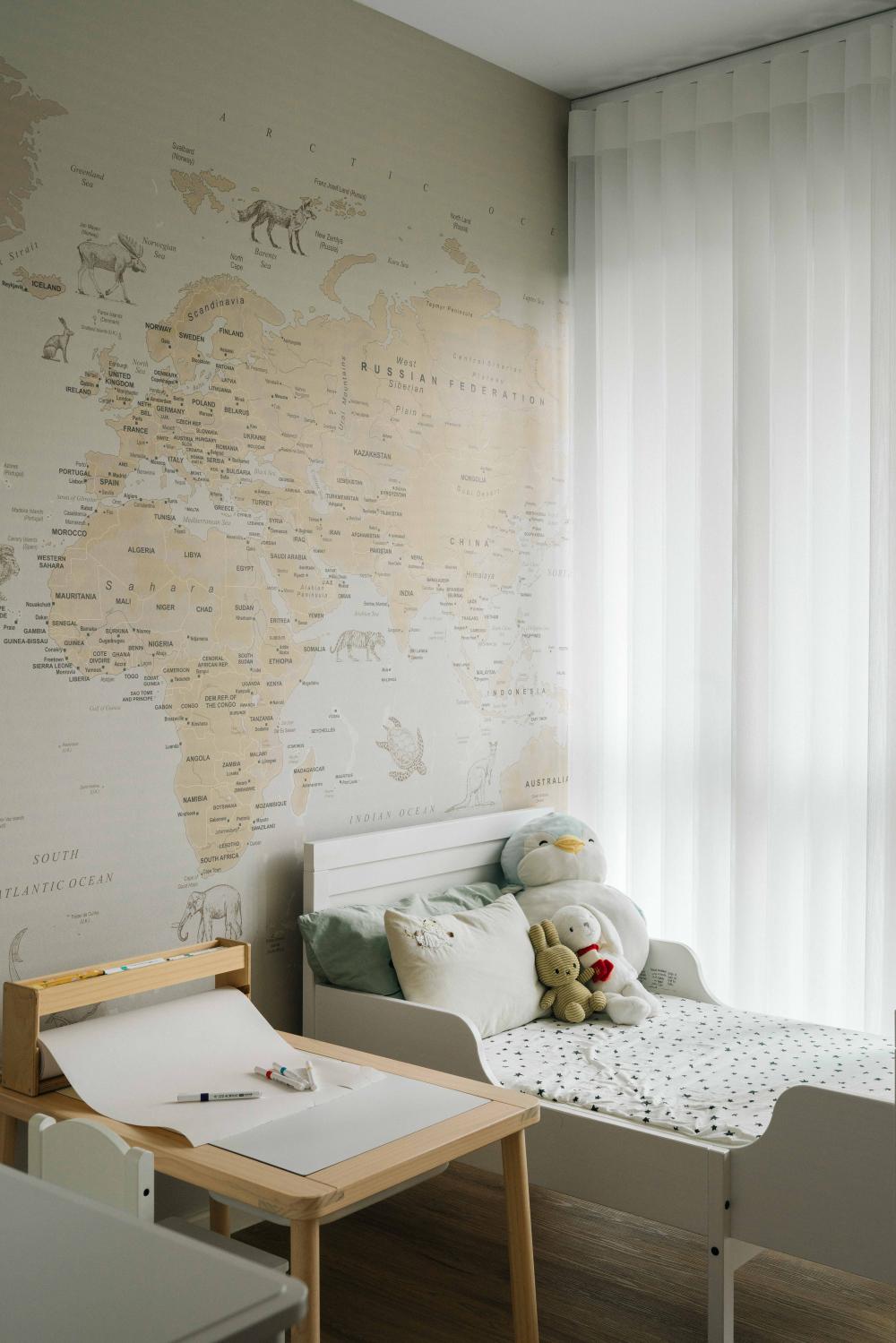
The Topiary II ($120,000) by The Interior Lab Pte Ltd
Make sure your child can reach what they need without climbing dangerously—this encourages independence and reduces mess. For shared rooms, colour-coded baskets or cubbies can help each child take ownership of their own belongings.
Avoid custom-built storage units that feel “perfect” for a specific stage. For example, a low toy shelf might look adorable now, but will feel redundant once your child grows older. Modular systems you can rearrange or add to are a smarter investment.
Step 2: Choose Adaptable, Long-Lasting Furniture
In a compact home, every piece of furniture needs to work harder and last longer. That’s why it’s worth investing in adaptable pieces that evolve with your child—saving you from costly and space-wasting replacements every few years.
Rather than chasing trends or buying furniture that only suits a particular age, look for items that can transition gracefully through different life stages. Here’s what to look for:
Convertible Sleep Solutions
Start with a crib that transforms into a toddler bed, and eventually a junior bed. Many models in Singapore now come with removable railings and adjustable mattress heights. Not only is this more sustainable, it also makes your child’s sleep setup feel familiar and comforting as they grow.
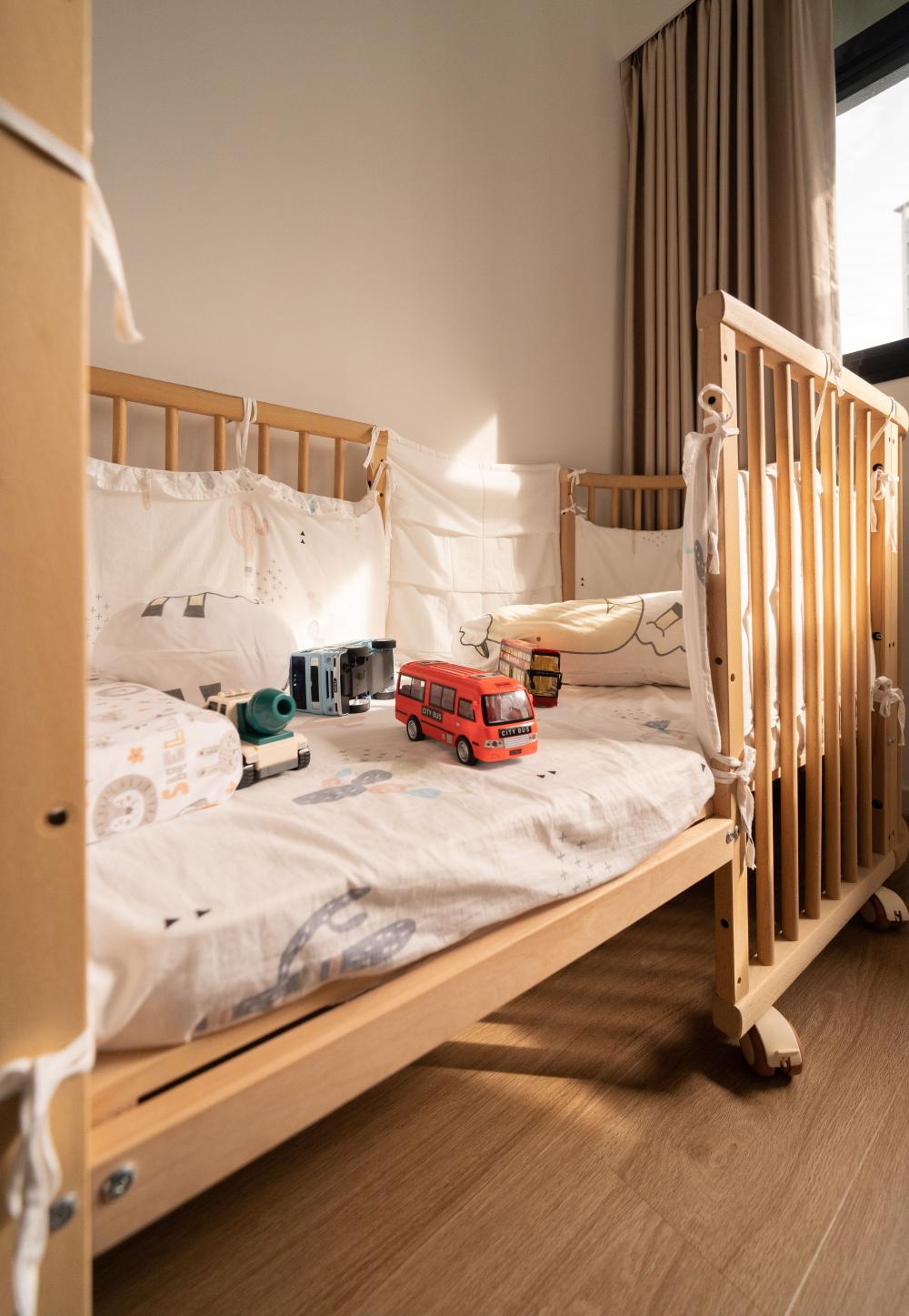
Alkaff Oasis (Alkaff Oasis 7) ($43,000) by The Real Design
If you’re furnishing for an older child, consider a single loft bed with space underneath for a desk or storage—freeing up precious floor area.
Adjustable Desks and Chairs
Kids grow quickly, and their furniture needs to keep up. A height-adjustable desk is a smart buy: it starts low enough for a five-year-old’s colouring sessions and rises to accommodate serious study sessions during their PSLE and beyond.
Pair it with an ergonomic chair that also adjusts with your child’s height. Look for options with footrests and lumbar support to ensure comfort through long hours of use—especially important once they hit their tween and teen years.
What to Avoid: Oversized or Overly “Kiddy” Pieces
As tempting as they are, oversized beanbags, character beds, or fixed toddler-sized desks tend to become impractical quickly. They take up space and limit your options later on.
Instead, aim for pieces with a timeless shape and a neutral colour palette. You can always add personality through smaller, swappable touches like bedsheets, wall decals, and display items.
Step 3: Design With a Neutral Foundation
Every child goes through phases—today it’s dinosaurs, tomorrow it’s Pokemon. While it’s important for their room to reflect their personality, it’s just as important not to box yourself into a theme that’s hard (and costly) to undo.
That bright pink wall or giant mural of cartoon characters might feel like a fun idea now, but once your child outgrows it—and they will—you’ll be faced with repainting or a full-on redesign. In a small apartment, where every update counts, flexibility is key. Here’s how to keep things personal and practical:
Keep Walls and Big Pieces Neutral
Opt for neutral paint colours like soft greys, whites, creams, or muted pastels. These act like a blank canvas for your child’s ever-changing interests, and they work well with any décor style—from toddler-friendly to teen-approved.
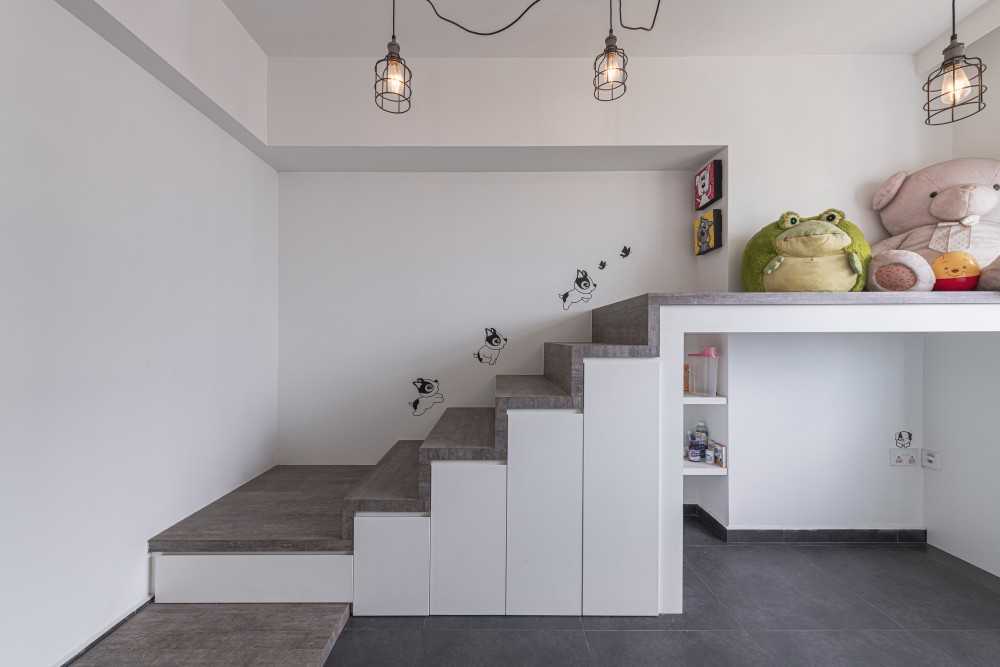
804B Keat Hong Close ($88,000) by Renologist
Similarly, stick to neutral tones for major furniture like beds, shelves, and wardrobes. Clean lines and simple finishes ensure these items don’t look out of place as the room matures.
Add Character Through Accessories
Let your child’s personality shine through elements that are easy and affordable to change. Here are some elements you can use:
- Removable wall decals – fun shapes, letters, or themes that can peel off without damage
- Posters, corkboards, or framed art – rotate them to reflect changing hobbies or pop culture interests
- Bedsheets and cushions – one of the easiest ways to play with colour and theme without any commitment
- Rugs and lamps – swap these out as your child’s taste evolves
This approach lets your child feel ownership over their space while keeping the foundations adaptable.
Embrace the “Changeable Layer” Concept
Think of décor in two layers:
The base layer (walls, furniture) = neutral and long-lasting
The changeable layer (textiles, wall art, decor) = flexible and easy to update
When your child’s interests shift from trains to animals to music, all you’ll need is a quick trip to IKEA or an online shop—not a complete renovation.
Step 4: Maximize Storage Smartly
In small apartments, storage is one of the biggest challenges. But with some clever thinking, you can maximise every inch of space while keeping your child’s room organised and functional for years to come.
Make Use of Every Nook and Cranny
Under-bed storage is a lifesaver in tight spaces. Whether it’s with drawers, rolling bins, or storage boxes, using the space beneath the bed to stash toys, clothes, or extra linens can help keep the room tidy without sacrificing floor space. Plus, it’s easy for your child to access their own things, promoting a sense of independence.
Wall-Mounted Shelves: Go Vertical
When floor space is limited, look to the walls. Wall-mounted shelves are an excellent way to store books, toys, or decorative items without cluttering up the room. Adjustable shelving is even better, as it can evolve with your child’s changing needs. For example, lower shelves are perfect for toddler toys, while higher shelves can store books, tech, or keepsakes as your child gets older.
Storage That Grows With Your Child
One of the biggest mistakes parents make is buying storage that only works for a specific phase of their child’s life. Instead, look for flexible storage solutions that can adapt as your child’s needs change. Here are some examples:
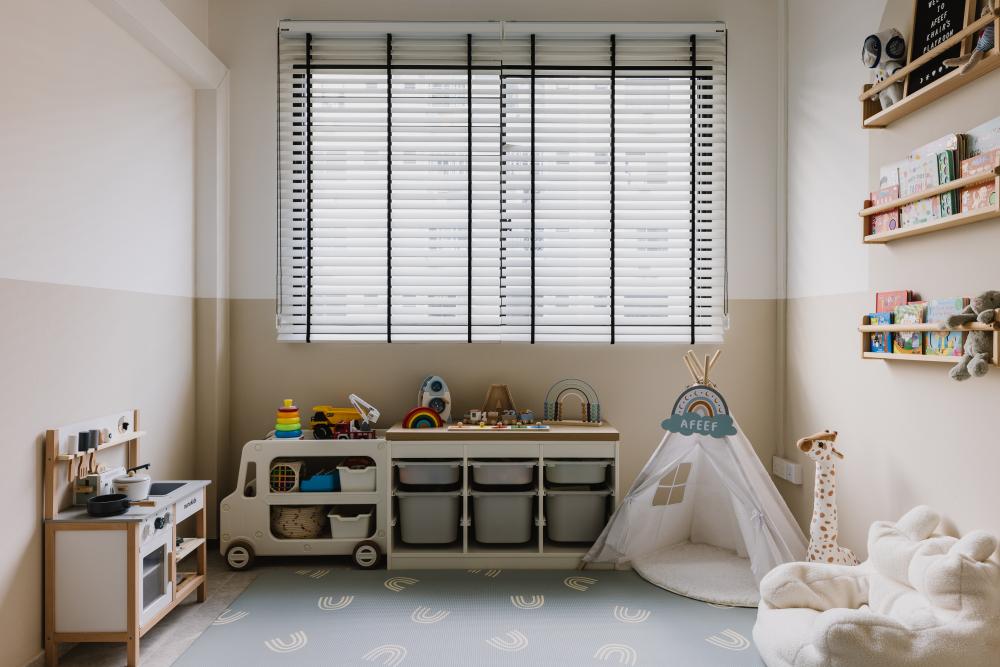
870 Tampines ($78,000) by The Interior Lab Pte Ltd
Toy baskets: Start with large, easy-to-reach baskets for toys. As your child grows, these baskets can evolve into storage for books, school supplies, or even electronics like headphones and chargers.
Modular storage: Modular systems can be rearranged, stacked, or expanded as your child’s collection of belongings changes. For example, start with cubby-style units for toys and later convert them into storage for books or sports gear.
Teach Organisation Early On
While smart storage solutions are key, teaching your child how to stay organised is just as important. Start early by involving them in tidying up—whether it’s putting toys back in their baskets or folding their own clothes. Make the process fun and rewarding, so they learn the importance of keeping things in order.
You can even make use of colour-coded bins or labels, so your child knows exactly where each item belongs. This creates a routine that becomes second nature as they grow, helping avoid the chaos of clutter down the road.
Step 5: Safety as a Constant
When it comes to designing a kids’ room, safety should always be a top priority—especially in the early years. Children, particularly toddlers and preschoolers, are naturally curious and often prone to accidents. But as your child grows, safety continues to be important, even if the risks change.
Anchor Heavy Furniture
One of the biggest safety risks in any room, especially for younger children, is unsecured furniture. Toddlers and preschoolers are often exploring by climbing and pulling, so it’s crucial to anchor heavy furniture to the walls. This includes bookshelves, dressers, wardrobes, and even large toys. Use sturdy furniture straps or brackets to secure these pieces to prevent them from tipping over.
Avoid Sharp Edges and Corners
As your child begins to move around, they’re more likely to bump into furniture. For toddlers especially, sharp edges are a major hazard. Opt for rounded or padded furniture, such as tables, shelves, or beds with soft corner protectors to minimize injury risk. If you’re using any furniture with sharp edges, consider adding corner guards or foam protectors for extra peace of mind.
Use Non-Toxic, Easy-Clean Materials
Young children spend a lot of time on the floor, so it’s important to choose non-toxic and child-safe materials for flooring, furniture, and accessories. Many paints, finishes, and materials can contain harmful chemicals, so look for those labeled as safe for kids, such as low-VOC (volatile organic compounds) paints or eco-friendly materials.
When choosing fabric for furniture or bedding, opt for options that are machine washable and free from harmful dyes or chemicals. Non-toxic and durable materials make cleaning up spills, stains, or accidents easier while ensuring your child’s health isn’t compromised.
A Final Word on Designing a Kids’ Room That Grows With Them
Your child’s room doesn’t need to change completely every few years. With thoughtful design, adaptable furniture, and a flexible layout, you can create a space that grows up with them—without outgrowing your home!
Want to check out home renovation projects for more inspiration? Browse interior design ideas on Hometrust, or click the button below to get connected with expert designers!
Renovating soon? Let Hometrust recommend the best interior designers.
If you are reading this, you are probably wondering how you can create your dream home.
Here’s the thing, everyone’s needs and requirements for their home renovation is different. A designer that may work for someone else, may not quite work for you.
At Hometrust, we’re here to help match top rated designers, recommended by past homeowners to you through our data-driven and matching algorithm.
Whether you are looking for partial renovation or a full fledge overhaul, we’ll be able to recommend you top designers to match your renovation requirements and lifestyle.
Recommendations and free and you can simply start by helping us understand your needs below!
Get RecommendationsRenovate safe!
The Hometrust Team