How to Make Your Rental Property Stand Out in a Competitive Market
Singapore’s rental market is a bustling arena, with HDB flats, condos, and landed properties competing to attract expatriates, families, students, and professionals.
In this vibrant city, where tenants have plenty of options, making your property stand out is key to securing quality renters quickly. The trick lies in smart renovations, well-chosen furnishings, and a clear grasp of market dynamics.
This guide will walk you through practical steps to elevate your rental property in Singapore, focusing on renovations, furnishings, and presentation basics. By understanding your market and making targeted improvements, you can turn your property into a tenant favorite without breaking the bank.
Step 1: Assess the Market Landscape
Before you start renovating or furnishing your rental unit, take a moment to understand the supply and demand in your area. Singapore’s rental market varies by neighborhood and tenant type, and this insight will shape how much you need to invest.
Understand Your Tenants
First, identify who’s likely to rent your property. Are you targeting expatriates in the Central Business District, families near schools like United World College of South East Asia (UWCSEA), or students close to universities? Each group has distinct priorities.
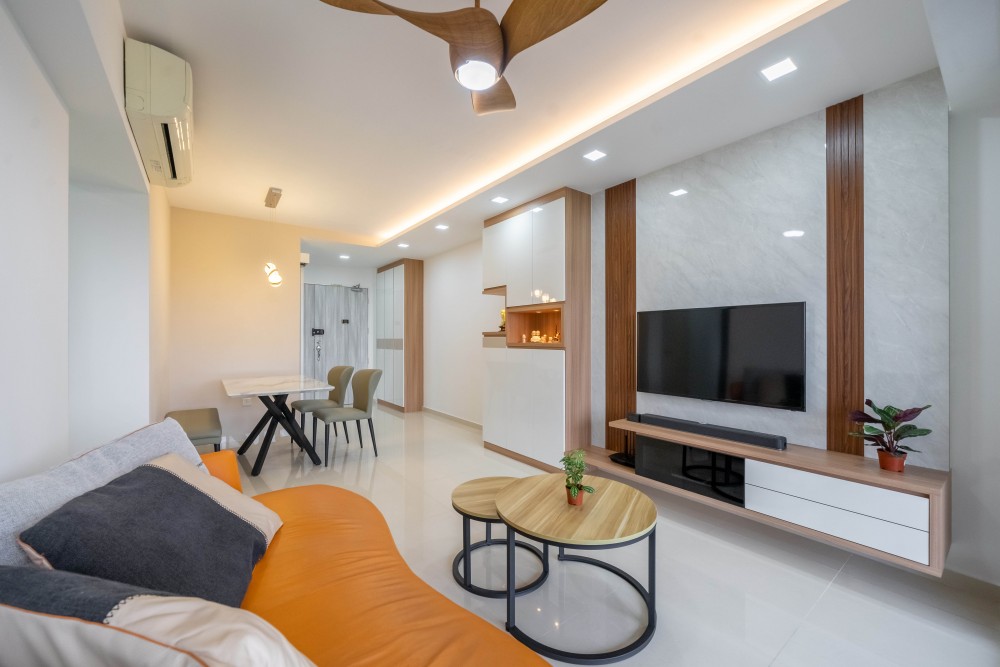
Affinity at Serangoon ($35,000) by Mablle
For properties near international schools, tenants—often students or families—tend to value proximity above all else. A short walk to school can outweigh a dated bathroom, meaning you can keep upgrades simple. Conversely, expatriates in areas like Marina Bay or one-north may expect modern furnishings and smart home features. To get a sense of your tenant pool, browse listings on PropertyGuru or 99.co, or consult a property agent familiar with your area.
Evaluate the Competition
Next, consider the supply side. If you own a unit in a new-launch condo, such as those in District 15 (East Coast) or District 9 (Orchard), you may face stiff competition. Many investors buy these units to rent out, so when the condo is ready, the market can flood with similar listings. This oversupply means you’ll need to improve your property’s appeal or price it competitively to avoid vacancies.
Check the competition by searching for similar rentals on PropertyGuru or 99.co, and see how many comparable units are listed in your estate or nearby. A crowded market calls for standout features, like a renovated kitchen or unique perks. But if your unit is in a low-supply area—say, a family-friendly condo where most of the residents are owner-occupiers—you can likely attract tenants with less effort.
Set the Right Price
With supply and demand in mind, set a rental price that balances competitiveness and profitability. Use market data from online platforms or your agent to benchmark against similar properties.
In high-supply areas, you might need to price slightly below average unless your property offers something special, like new appliances or included utilities. In high-demand, low-supply areas, you can charge a premium, provided your property meets basic expectations.
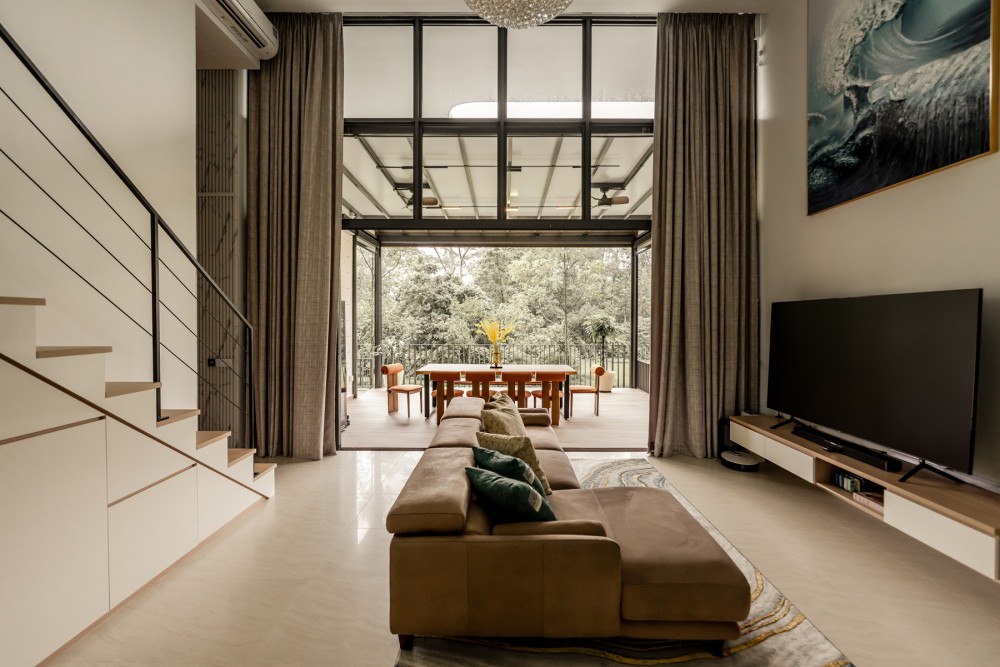
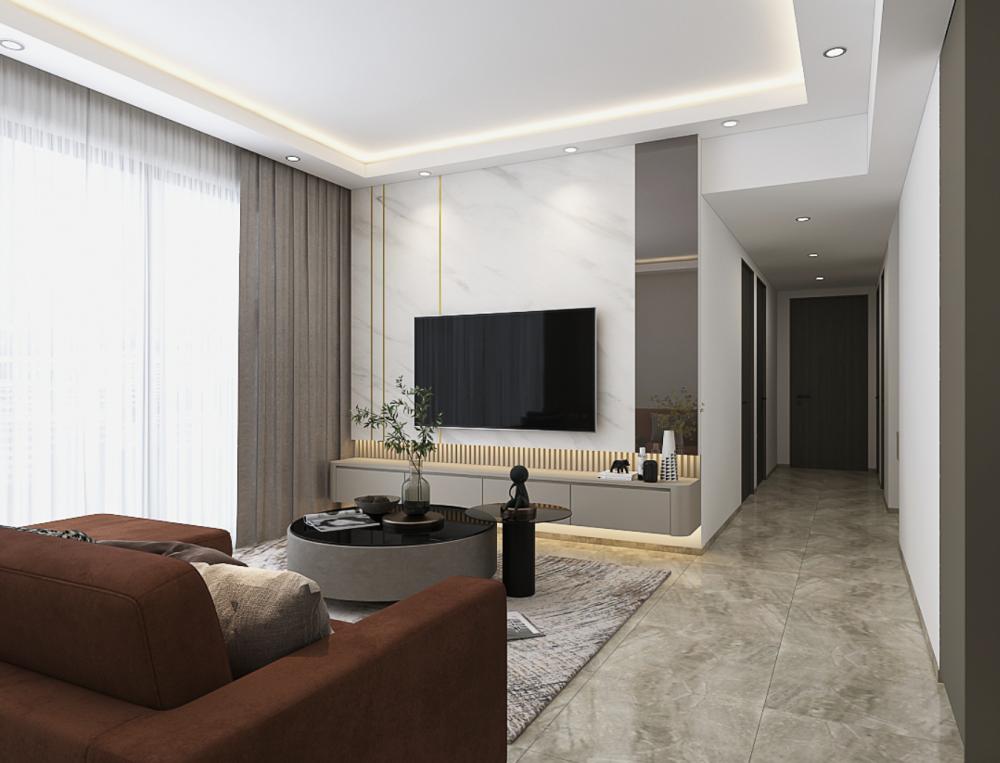
Foresque Residences ($130,000) by U-Home Interior Design Pte Ltd
Remember: the goal is to align your renovation and furnishing costs with the rent you’ll earn. Spending S$10,000 on a kitchen overhaul may not pay off in a student-heavy area where tenants prioritize affordability. But in a condo-saturated market, that investment could mean quicker leasing and higher returns.
Step 2: Know Your Target Tenants
Once you’ve mapped out the market, tailor your property to your target tenants. Singapore’s diverse renters have unique needs, and your renovations and furnishings should reflect what they value:
- Expatriates: They often seek fully furnished units with modern appliances, smart home features, and proximity to business hubs like Orchard Road or the CBD. Condo amenities like pools or gyms are a big draw.
- Families: They prioritize durable finishes, storage, and access to schools or parks. Semi-furnished units allow them to personalize the space.
- Students: Budget-conscious and practical, they need functional furniture and a location near schools or MRT stations. Extravagant upgrades are less important.
Step 3: Furnished vs. Unfurnished
Deciding whether to offer a fully furnished, semi-furnished, or unfurnished unit is a critical step that depends on your target tenants and market dynamics. Each option has its pros and cons, and the choice can significantly impact your property’s appeal and rental speed. Here’s a breakdown to help you decide:
Fully Furnished: Move-In Ready Convenience
Fully furnished units are equipped with everything tenants need to settle in immediately, from furniture to appliances. This option is a hit with expatriates and students who often arrive with minimal belongings and prefer hassle-free setups.
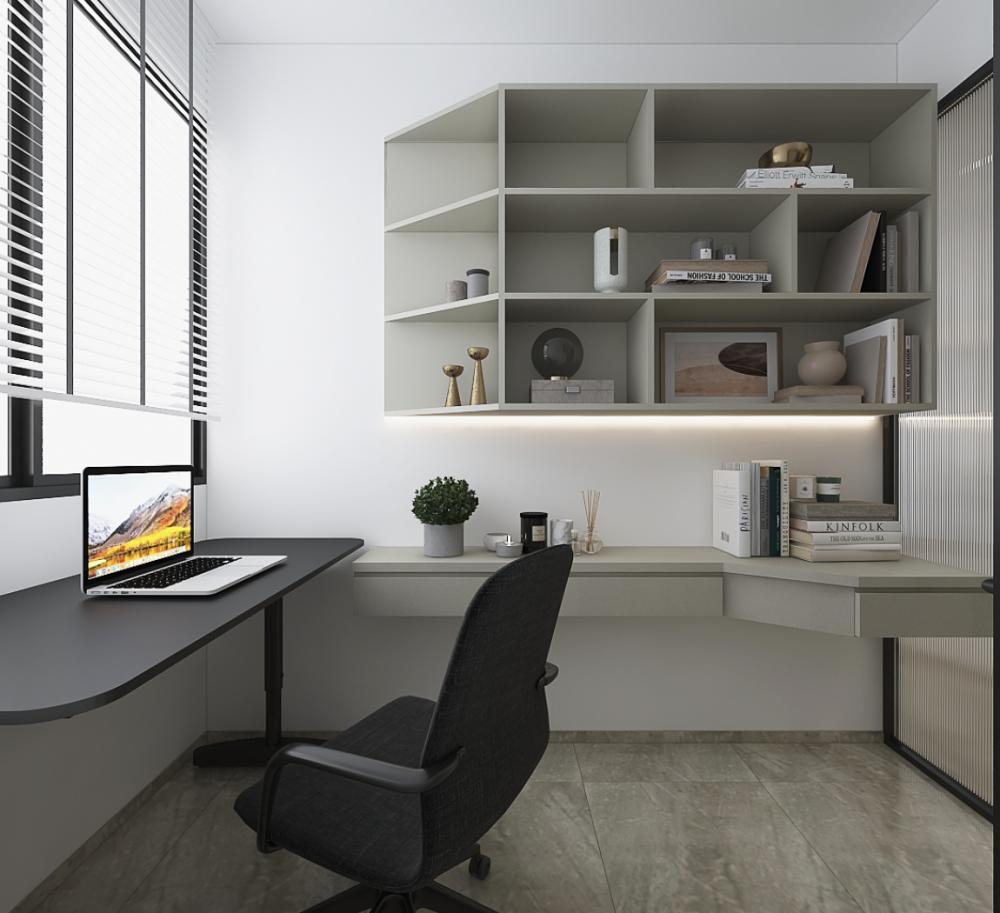
Affinity at Serangoon ($35,000) by Mablle
- What to include: Provide essentials like a bed with mattress, sofa, dining table and chairs, wardrobe, and appliances (refrigerator, washing machine, microwave, air-conditioning). For kitchens, include basics like a kettle and toaster. Curtains or blinds are also expected.
- Best for: Expatriates relocating to Singapore (especially in areas like Marina Bay or Orchard) and students near universities or international schools. These tenants value convenience and may pay a premium for a turnkey home.
- Market advantage: In competitive markets, like new-launch condos with many similar units, fully furnished properties often lease faster, as they cater to tenants seeking instant comfort. They can also command higher rents, offsetting the cost of furnishings.
- Considerations: Furniture must be durable to withstand wear and tear, as tenants may not treat it with the same care as their own. Budget for replacements every few years. Additionally, ensure furnishings are neutral (e.g., beige sofa, wooden dining table) to appeal broadly.
- Cost: Initial investment can be S$5,000–S$15,000 for a two-bedroom unit, depending on quality. Opt for affordable, sturdy pieces from retailers like IKEA or FortyTwo to keep costs down.
Semi-Furnished: Flexibility for Personalization
Semi-furnished units provide core fixtures and appliances, leaving tenants room to add their own furniture. This option strikes a balance between convenience and flexibility, appealing to tenants who want some essentials but also plan to personalize the space.
- What to include: Typically includes built-in wardrobes, air-conditioning, major appliances (refrigerator, washing machine), and sometimes lighting or curtains. Kitchens may have cabinets and a stove but not smaller appliances like microwaves.
- Best for: Families or long-term tenants, such as those settling near schools or in suburban areas like Tampines or Jurong. These tenants often bring their own furniture (e.g., beds or sofas) and appreciate the ability to make the space their own.
- Market advantage: In high-demand, low-supply areas—such as near international schools—semi-furnished units can attract tenants who prioritize location over furnishings. They’re also lower maintenance, as you’re not replacing furniture regularly.
- Considerations: Ensure all provided fixtures are in good condition, as tenants will notice wear and tear. Built-in storage is a big plus, as it adds value without requiring ongoing upkeep. Be clear in your listing about what’s included to avoid confusion.
- Cost: Lower than fully furnished, as you’re mainly providing appliances and built-ins. Expect S$2,000–S$5,000 for a two-bedroom unit, depending on appliance quality.
Unfurnished: A Blank Canvas
Unfurnished units include only the bare essentials, such as lighting, air-conditioning, and basic kitchen or bathroom fixtures. Tenants must supply all furniture and most appliances.
- What to include: Basic fixtures like ceiling lights, air-conditioning units, and kitchen cabinets. Some landlords include a stove or water heater, but tenants typically bring their own refrigerator, washing machine, and furniture.
- Best for: Long-term tenants with their own furnishings. This is less common in Singapore’s rental market, as most tenants prefer some level of furnishing.
- Market advantage: Unfurnished units require the least upfront investment and maintenance, making them cost-effective for landlords. They may appeal in niche cases, but they lease more slowly in competitive markets where convenience is king.
- Considerations: The property must still be spotless and functional, with no signs of wear or damage. Tenants will scrutinize fixtures, so ensure everything (e.g., lights, air-con) works perfectly. Highlight built-in features like wardrobes to add value.
- Cost: Minimal, often under S$2,000, as you’re only ensuring basic fixtures are in place.
So, how do you decide? Ultimately, your furnishing level should align with your target tenants and market conditions.
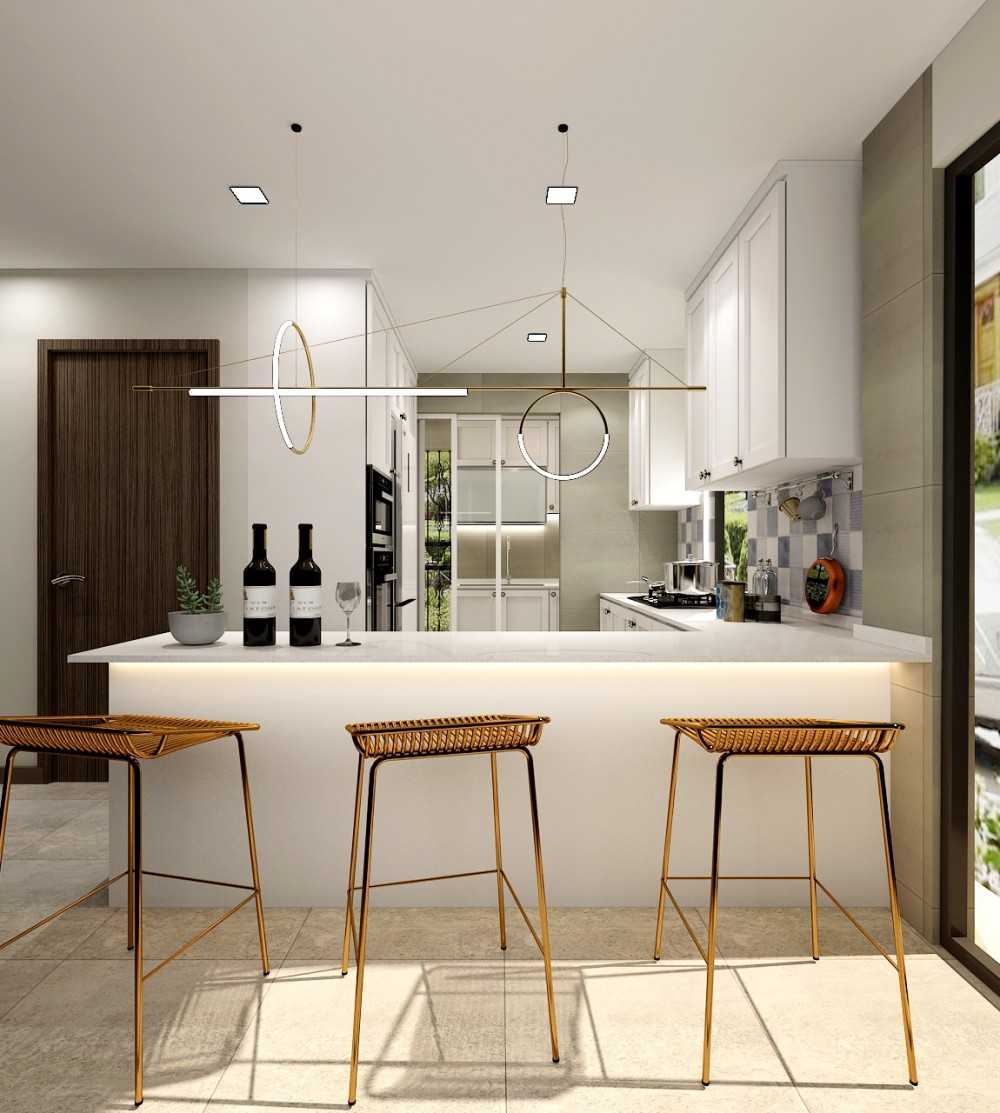
Holland Grove ($140,000) by Design Avenue
In competitive markets, like new condos in District 15, fully furnished units often lease faster and fetch higher rents, as they cater to expatriates and students seeking convenience. In high-demand areas near schools, semi-furnished units may suffice, as tenants prioritize location and may bring their own furniture. Unfurnished units are riskier unless you’re in a unique, high-demand niche.
To figure out which is the best fit, research similar listings on PropertyGuru or 99.co. If most competitors offer fully furnished units, you may need to follow suit to stay competitive. Also, consider your budget and willingness to maintain furnishings. Fully furnished units require more upfront and ongoing costs but can yield higher returns, while semi-furnished units are easier to manage.
Step 4: Renovate Strategically
Renovations can transform your property, but the scope depends on market conditions. In high-demand areas, minor updates may suffice. In competitive markets, bolder investments can set you apart. Here’s how to approach it:
Start with The Basics
At the bare minimum, ensure your property looks clean, hygienic, and well-maintained—especially for older units or those rented out for years, which may show wear and tear from past tenants.
Tenants are quick to spot red flags like leaks, water damage, or signs of neglect, and these can scare them off, as they fear dealing with issues after moving in. Even if there’s no actual leak, a damp-looking ceiling or a discolored corner in the bathroom can raise alarm bells.
- Fix leaks and water damage: Check for and repair any plumbing issues. Repaint ceilings or walls with signs of dampness using anti-mold paint to restore confidence.
- Deep clean: Scrub floors, tiles, and fixtures to remove grime or stains. For older units, consider professional cleaning to refresh the space.
- Repair wear and tear: Patch up chipped paint, replace broken fixtures (e.g., loose cabinet handles), and ensure all appliances work smoothly.
These basics are non-negotiable. A clean, functional property signals care and reliability, putting tenants at ease.
Add Impactful, Budget-Friendly Upgrades
If you want to go beyond the basics, consider affordable upgrades that make a big difference without requiring major work. These enhancements can refresh your property and appeal to tenants, especially in competitive markets:
- Repaint walls in neutral tones: A fresh coat of white, beige, or light grey brightens the space and covers scuffs or marks. It’s a low-cost way to make the property feel new.
- Update light fixtures: Swap outdated bulbs or fixtures for modern LED lights. Ceiling or wall-mounted LED panels are affordable and energy-efficient, appealing to eco-conscious tenants.
- Replace cabinet handles: New knobs or pulls in kitchens and bathrooms can modernize the look without replacing entire cabinets.
- Install a handheld bidet: Popular in Singapore, these are inexpensive to add and a tenant favorite in bathrooms.
- Add peel-and-stick backsplash: In kitchens, self-adhesive backsplash tiles are a quick, budget-friendly way to update a dated look.
- Upgrade window treatments: Replace old curtains with simple roller blinds or neutral drapes to modernize the look.
These upgrades are cost-effective and impactful, making your property feel fresh and inviting without a hefty price tag.
Design a Tenant-Friendly Setup
The type and arrangement of furniture can make or break your property’s appeal, especially in Singapore’s compact living spaces. Here’s how to design a tenant-friendly setup in Singapore:
- Maximize space with multi-functional furniture: In small HDB flats or condos, space is at a premium. Choose pieces like sofa beds, extendable dining tables, or ottomans with hidden storage to make the space feel versatile. For example, a foldable desk can serve as both a workspace and a side table, appealing to students or remote-working professionals.
- Opt for modular designs: Modular furniture, such as sectional sofas or stackable shelves, allows tenants to reconfigure the layout to suit their needs. This flexibility is a big draw for families or expatriates who may want to adapt the space over time.
- Choose durable, low-maintenance materials: Singapore’s humid climate can wear down furniture quickly. Select materials like synthetic leather, treated wood, or metal frames that resist moisture and scratches. For upholstery, go for stain-resistant fabrics in neutral tones like grey or beige to hide wear and appeal to a wide audience.
- Prioritize proportion: In compact spaces, oversized furniture can overwhelm the room. Choose appropriately scaled pieces, like a slim two-seater sofa instead of a bulky sectional, to maintain an open, airy feel. For bedrooms, opt for low-profile bed frames to avoid a cramped look.
Step 5: Present Thoughtfully
In Singapore, professional staging isn’t a widespread practice the way it might be in other countries. Instead, property agents typically take charge of showcasing your unit—arranging viewings, taking photos, and highlighting its key features.
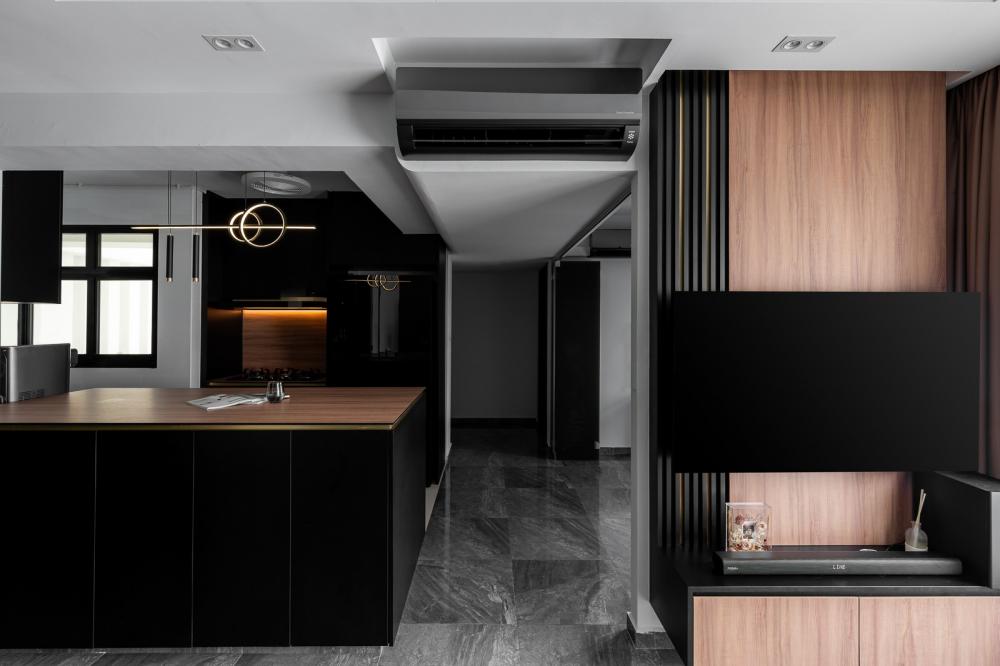
207B Woodleigh Link ($100,000) by Plus Interior Studio
However, as a landlord, you still play an important role in making your home visually appealing and ready for potential tenants. First impressions matter, and a thoughtfully presented home can make all the difference.
Start with the decor. Neutral tones—such as white, beige, or soft grey—create a clean, inviting atmosphere that appeals to a wide range of tenants. These shades provide a blank canvas, helping viewers picture themselves living in the space. On the other hand, bold colours, statement walls, or overly themed interiors can distract or even deter renters who might not share your taste.
If you’ve been living in the property, make a point to remove personal items before listing it for rent. Family photos, religious symbols, or quirky collections might feel meaningful to you but can make it difficult for tenants to envision the home as their own.
Instead, opt for minimal, neutral styling—simple wall art, solid-colour throw pillows, or a neatly arranged shelf. A clean, uncluttered space not only photographs better but also makes rooms feel larger and more welcoming during viewings.
Ultimately, the goal is to help potential tenants imagine themselves moving in with minimal fuss. A neutral, well-maintained, and depersonalised space sends a clear message: this home is ready and waiting.
A Final Word On Making Your Rental Property Stand Out
Standing out in Singapore’s competitive rental market is all about strategy. Near international schools, where location reigns supreme, basic upgrades and functional furniture might be enough. In condo-heavy markets with lots of competition, smart renovations, modern furnishings, and unique perks can help you avoid price cuts and attract top tenants.
Remember: align your upgrades with tenant needs, and focus on making your unit look clean and hygienic. With these steps, your rental property will shine in Singapore’s dynamic market, drawing tenants who can’t wait to call it home.
Want to check out home renovation projects for more inspiration? Browse interior design ideas on Hometrust, or click the button below to get connected with expert designers!
Renovating soon? Let Hometrust recommend the best interior designers.
If you are reading this, you are probably wondering how you can create your dream home.
Here’s the thing, everyone’s needs and requirements for their home renovation is different. A designer that may work for someone else, may not quite work for you.
At Hometrust, we’re here to help match top rated designers, recommended by past homeowners to you through our data-driven and matching algorithm.
Whether you are looking for partial renovation or a full fledge overhaul, we’ll be able to recommend you top designers to match your renovation requirements and lifestyle.
Recommendations and free and you can simply start by helping us understand your needs below!
Get RecommendationsRenovate safe!
The Hometrust Team