How to Make Your Home More Luxurious (On a Budget)
Creating a luxurious home doesn’t mean you need to splurge on designer brands or expensive renovations. With a little know-how and thoughtful choices, you can elevate your space and impress guests without breaking the bank. This guide shares practical, Singapore-friendly tips to make your home feel sophisticated and stylish — all on a budget.
1. Invest in Timeless Furniture and Quality Materials
When furnishing your home, it’s important to avoid pieces that look cheap or overly trendy, as these can quickly date your space or make it feel less polished. In Singapore’s humid climate, some materials also wear out faster, which can add to that “budget” or “disposable” impression.
To create a more luxurious feel without overspending, focus on furniture that combines durability with timeless style. Here are some tips:
Choose solid wood, rattan, or cane furniture
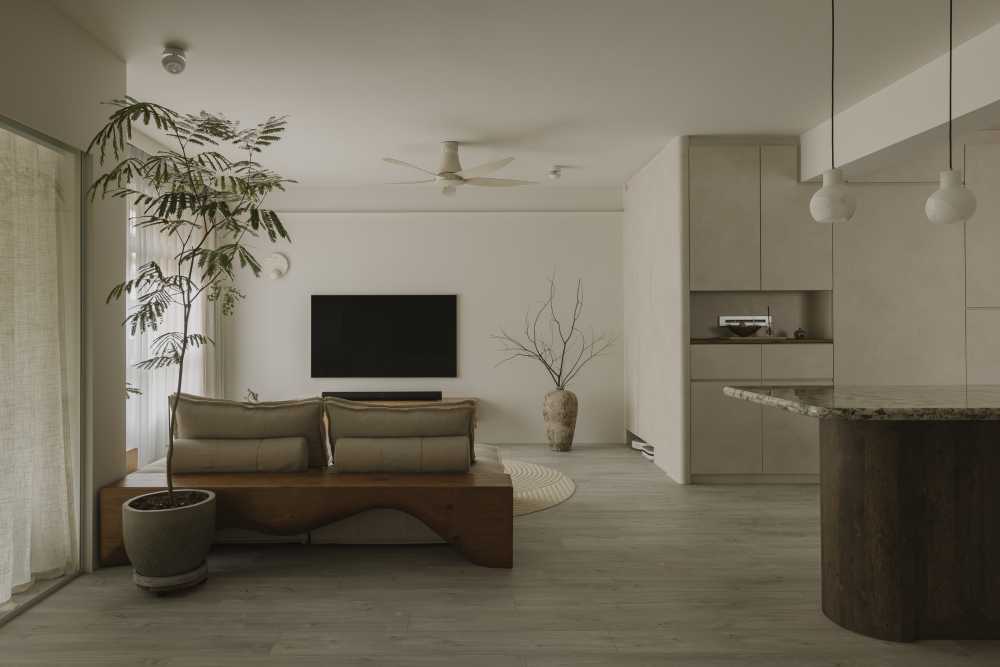
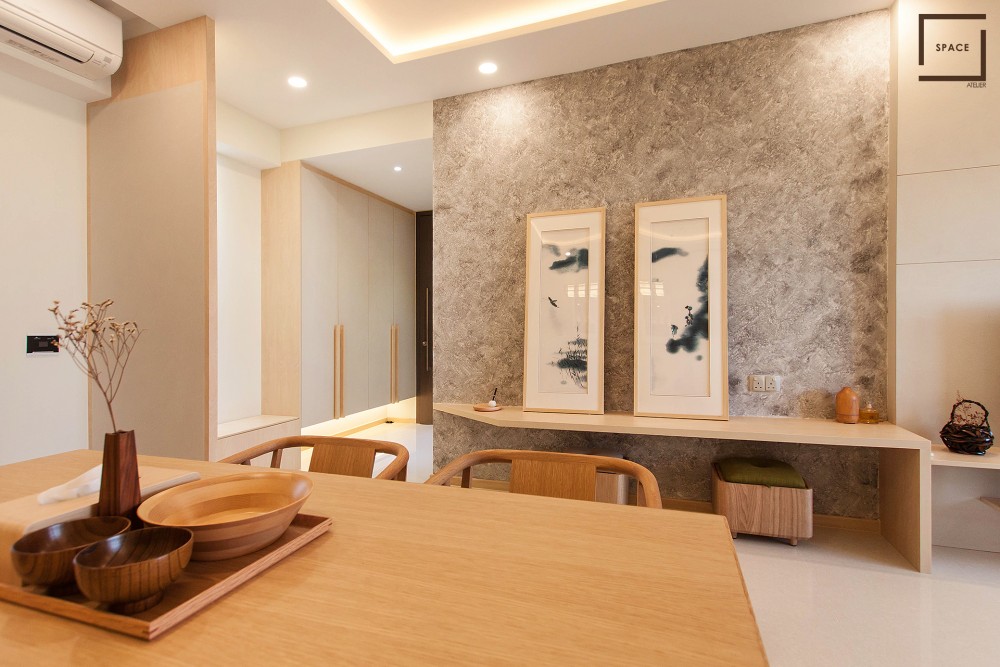
9 Joo Seng Road ($90,000) by The Interior Lab Pte Ltd
These materials not only last longer but also age gracefully. Solid wood, for instance, can develop a beautiful patina over time, making your furniture look even more sophisticated rather than worn-out. Rattan and cane add texture and warmth without feeling cheap.
Avoid particleboard or glossy laminated furniture
These materials are common in low-cost furniture but tend to show scratches, dents, and peeling quite easily—especially in Singapore’s humid environment. They often have an artificial shine that can look cheap and detract from your overall design.
Opt for upholstery in breathable, natural fabrics
Linens, cotton blends, and other natural textiles tend to wear well and look better longer. They also handle Singapore’s warm and humid climate better than heavy synthetics, which can look shiny or stiff. Fabrics with a subtle texture, like a soft weave, help hide minor stains and signs of wear, keeping your furniture looking fresh.
Pick darker or mid-tone colors for upholstery and finishes
Light colors may look elegant but tend to show stains, dust, and dirt more quickly. Darker hues or neutral mid-tones like charcoal, navy, or taupe can hide everyday wear and tear better, giving your home a consistently polished look.
Examples of durable, stylish furniture pieces that look expensive
A sturdy solid oak dining table with a matte finish, a cane-backed armchair with a comfortable fabric seat, or a deep-toned walnut bookshelf. These choices avoid flashy trends but add richness and longevity to your space.
Pro tip: Some stores in Singapore offer solid wood tables that come with a lifetime warranty — this often includes periodic refurbishing or maintenance services. It’s a smart long-term investment: not only does the table last for decades, but it continues to look its best with professional touch-ups, saving you the cost (and hassle) of replacing worn-out furniture.
2. Choose Sophisticated Colours and Surface Finishes
Colour plays a huge role in shaping how polished and high-end your home feels. A carefully chosen palette can make even basic furnishings look intentional and expensive, while the wrong colours or finishes can cheapen a space quickly. Here are some tips:
Go for warm neutrals, soft greys, or earthy tones
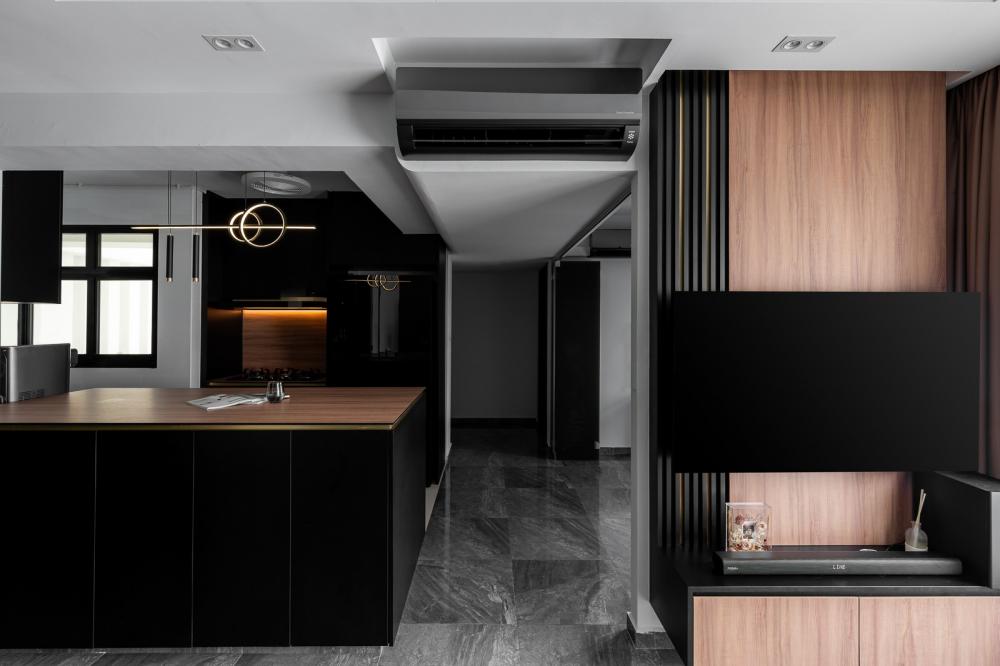
207B Woodleigh Link ($100,000) by Plus Interior Studio
Think beige, taupe, stone, or warm greys — these shades are timeless, versatile, and forgiving. They create a calming, understated atmosphere that feels cohesive and upscale. These tones also hide everyday wear better than stark white or very dark colours, which can highlight imperfections or dust.
Avoid overly bright or glossy paints
High-shine paints often catch the harsh daylight that’s common in Singapore and can end up highlighting wall unevenness or giving off a plastic-like finish. Similarly, bold accent walls in neon or overly saturated colours can quickly date a space. Instead, opt for matte or eggshell finishes, which diffuse light beautifully and feel more refined.
Layer in texture, not just colour
A flat wall in a neutral colour can still feel bland without some variation. Use textured paint finishes, limewash effects, or removable wallpaper with subtle patterns (like linen weave, brushed stone, or geometric embossing) to add richness.
Use contrast sparingly but strategically
Pairing dark trim with lighter walls, or mixing cool and warm tones (e.g., grey walls with beige furnishings) can create visual depth that mimics the complexity found in high-end interiors. The key is balance — keep your base palette restrained, then introduce contrast in small doses through accents or trims.
3. Get The Proportions Right
Even the most luxurious furnishings can fall flat if they’re not sized or placed correctly. Proportion and scale are what tie a space together — when done right, everything feels cohesive, calm, and designed. When done poorly, even a well-furnished room can feel cluttered or off. Here’s how to get it right:
Artwork that’s too small = Lost on the wall
A tiny piece of art in the middle of a large wall looks accidental — not curated.
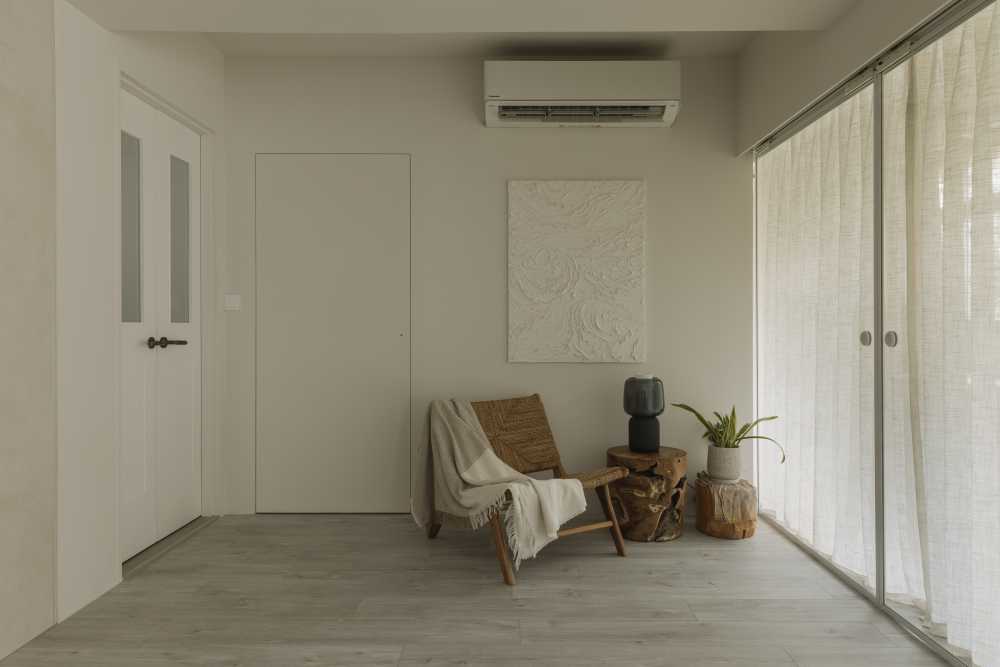
9 Joo Seng Road ($90,000) by The Interior Lab Pte Ltd
When placing artwork above furniture like a sofa, console, or bed, aim for it to take up about two-thirds to three-quarters the width of the furniture beneath.
- If your sofa is 180cm wide, your artwork or gallery should span roughly 120–135cm.
- Consider grouping smaller pieces into a gallery wall to achieve the right visual weight.
- Hang artwork with the center at eye level, usually around 145–155cm from the floor, for a balanced look.
Rugs that “float” make the room feel smaller
Undersized rugs are one of the most common decor mistakes. A small rug that doesn’t connect with your furniture can actually make your space feel disjointed and less inviting.
- In living rooms, make sure at least the front legs of your sofa and chairs are on the rug.
- In dining rooms, the rug should extend at least 60cm beyond the edge of the table on all sides so that chairs stay on the rug even when pulled out.
- In bedroom”>bedrooms, opt for a rug that extends at least halfway under the bed and beyond the sides, or use two runners if space is tight.
Lighting that’s too small or hung too high feels off-balance
Lighting isn’t just functional — it’s part of the visual architecture of your space. Poorly sized lighting (especially overhead fixtures) can throw off the whole room’s balance.
- For pendant lights over dining tables or kitchen islands, hang them 75–85cm above the table or countertop to create intimacy without blocking the view.
- For living rooms with higher ceilings, consider a larger statement light or layered lighting (floor lamps + ceiling lights) to fill the vertical space.
- If you’re using multiple pendants (e.g. above an island), space them about 60–75cm apart to avoid overcrowding.
Cushions and throws: Avoid the “too many small things” effect
Scatter cushions and throws are meant to elevate comfort and style — not create visual noise. Using too many tiny items can make a space feel busy and juvenile.
- Stick to larger cushions (50x50cm or 60x60cm) rather than a mix of tiny ones.
- Use a considered colour palette — 2–3 complementary tones max — to avoid a chaotic look.
- A quality throw blanket casually draped over the arm or seat of a sofa adds a luxe touch, but avoid leaving it crumpled or messy.
Oversized furniture in small spaces can feel overwhelming
In compact Singapore homes, scale is everything. A bulky, oversized sofa or massive dining set can eat up valuable floor space and make rooms feel cramped.
- Choose furniture with slim legs or open bases, which feel lighter and let your flooring show through — this helps the room feel larger.
- Round tables or nesting coffee tables can save space and still feel stylish.
- Allow for at least 60–75cm of clearance around walkways and key furniture zones (like between the sofa and coffee table) to maintain flow.
4. Get Your Curtains and Blinds Right
Windows are one of the biggest design elements in any home, and how you dress them can make or break the overall feel of your space. In Singapore, where natural light is abundant, choosing the right curtains or blinds is essential to balance functionality with style.
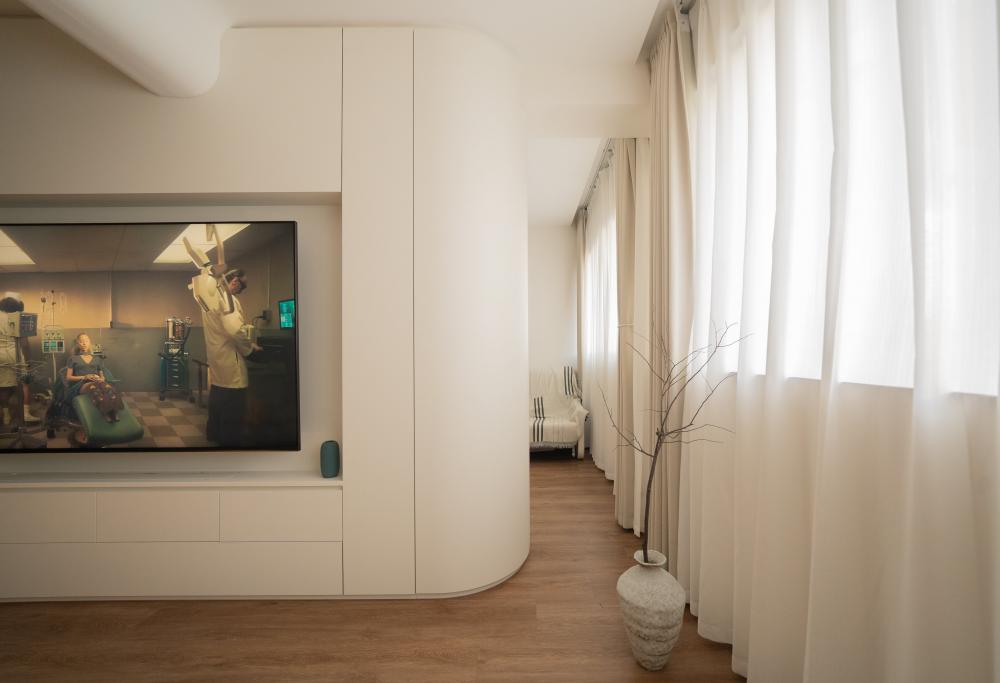
Admiralty Place ($85,000) by The Real Design
Here is what feels cheap or outdated:
Short, narrow curtains
Curtains that stop well above the floor or cover only the window frame tend to make your ceilings feel lower and your room smaller. This is a common but costly mistake that cheapens the overall look.
Sheer curtains alone
While sheer curtains (also known as day curtains) are great for diffusing light, relying solely on them can feel flimsy and unfinished. They often look like a temporary solution rather than a thoughtfully designed window treatment.
Plastic venetian blinds
These tend to look cheap and can warp or discolor quickly in Singapore’s humid climate. If you prefer this style, make sure to invest in high-quality blinds made from thicker, UV-resistant PVC or composite materials designed for tropical weather. Look for blinds with good weight and a solid feel—the blinds should not be flimsy or brittle.
On the flip side, here’s what feels more high-end:
Floor-to-ceiling curtains
Hanging curtains from ceiling height all the way down to the floor instantly elevates a room’s sophistication by creating the illusion of higher ceilings and a more spacious environment. Properly sized curtains that just graze or lightly puddle on the floor add a tailored, custom feel that feels far more luxurious than curtains that are too short or hung too low.
Natural, heavyweight fabrics
Linen blends, cotton, or textured fabrics in neutral tones (like soft beige, warm greys, or muted greens) feel luxurious but understated. They drape beautifully and don’t show wear easily.
Minimalist roller blinds
If you prefer a clean look, choose roller blinds in thick, matte fabrics with a subtle texture rather than shiny or thin materials.
5. Upgrade Hardware and Fixtures
Sometimes, the smallest details can make the biggest difference in how luxurious your home feels. Upgrading your hardware and fixtures is an affordable and impactful way to add a refined, polished look without the hassle or cost of a full renovation.
Swap cabinet handles and knobs
Old or generic cabinet handles can make even the nicest cabinets look dated or cheap.
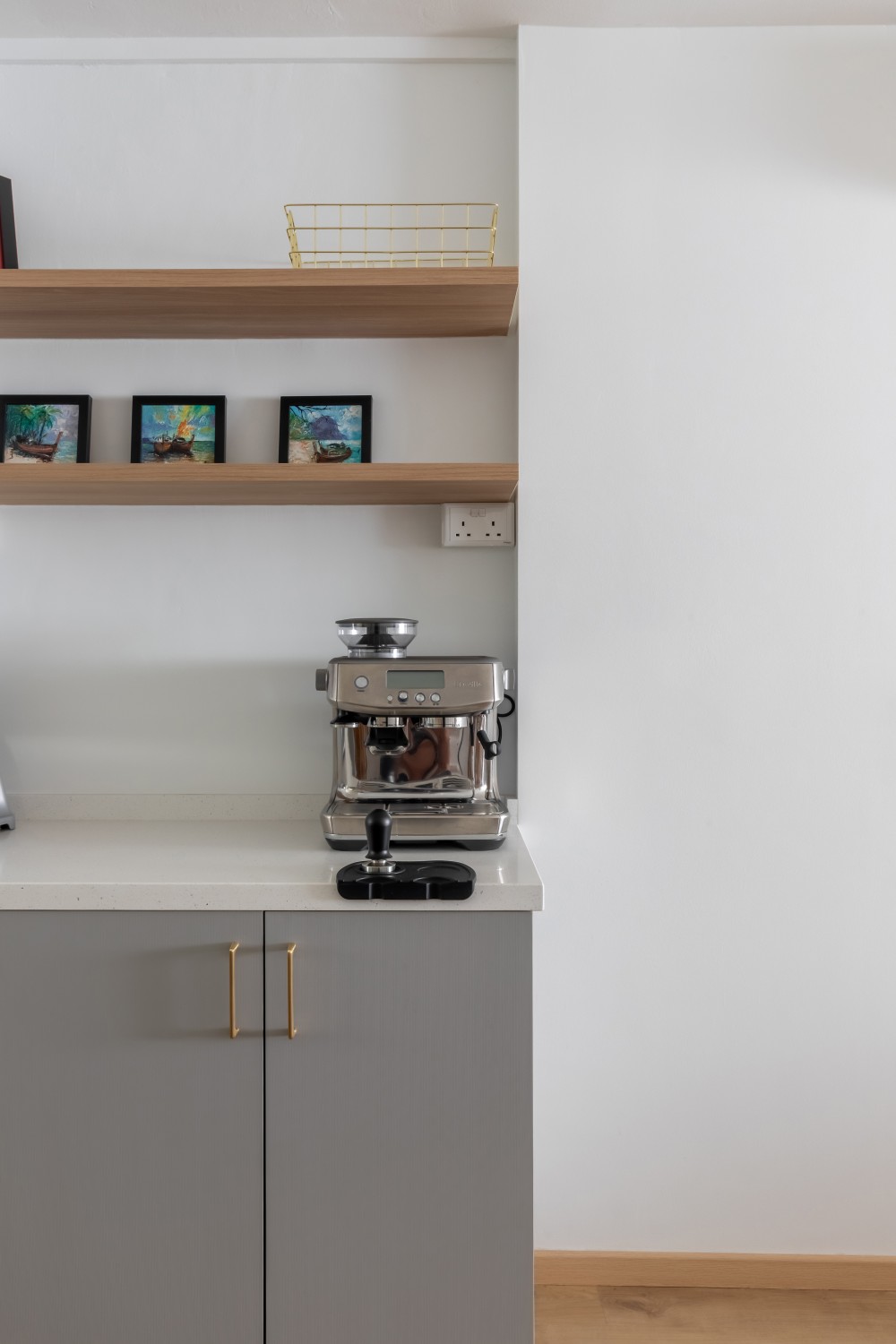
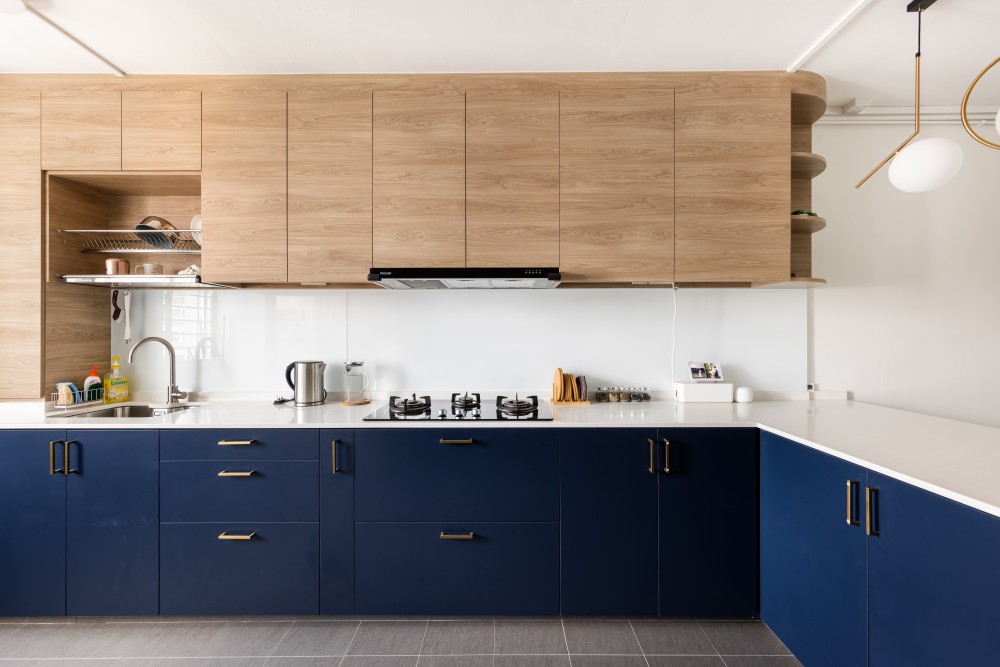
Aljunied Crescent ($50,000) by U-Home Interior Design Pte Ltd
Choosing hardware in on-trend finishes like matte black, brushed gold, or antique brass immediately gives your kitchen, bathroom, or wardrobe a designer touch. Look for sleek, minimalist shapes or subtle vintage designs depending on your style — avoid overly ornate or plastic-feeling handles that can cheapen the look.
Upgrade faucets and showerheads
Replacing faucets with modern designs in matte or brushed metal finishes creates a spa-like vibe. Matte black or gold faucets are popular for their ability to stand out while remaining elegant. In Singapore’s humid climate, opt for corrosion-resistant materials to keep the finish looking fresh over time.
6. Prioritise Good Lighting
Lighting is one of the most powerful tools in transforming your home’s atmosphere and elevating its overall feel. Proper lighting doesn’t just illuminate a space — it sets the mood, highlights your best features, and makes your home feel warm and inviting.
Relying on just one source of light can make a room feel flat and uninviting. Instead, use a combination of:
- Ambient lighting: General overhead lights like ceiling-mounted fixtures or recessed downlights provide even illumination across the room.
- Task lighting: Focused lighting that helps you complete specific activities, such as reading lamps by your sofa or under-cabinet lights in the kitchen for prepping food. These are practical and make the space more functional.
- Accent lighting: Highlight architectural features, artwork, or décor with spotlights or LED strips. This adds drama and sophistication, creating visual interest that feels curated and intentional.
On top of that, a well-chosen chandelier, pendant lamp, or designer light fixture can be a showstopper in your living room, dining area, or bedroom.
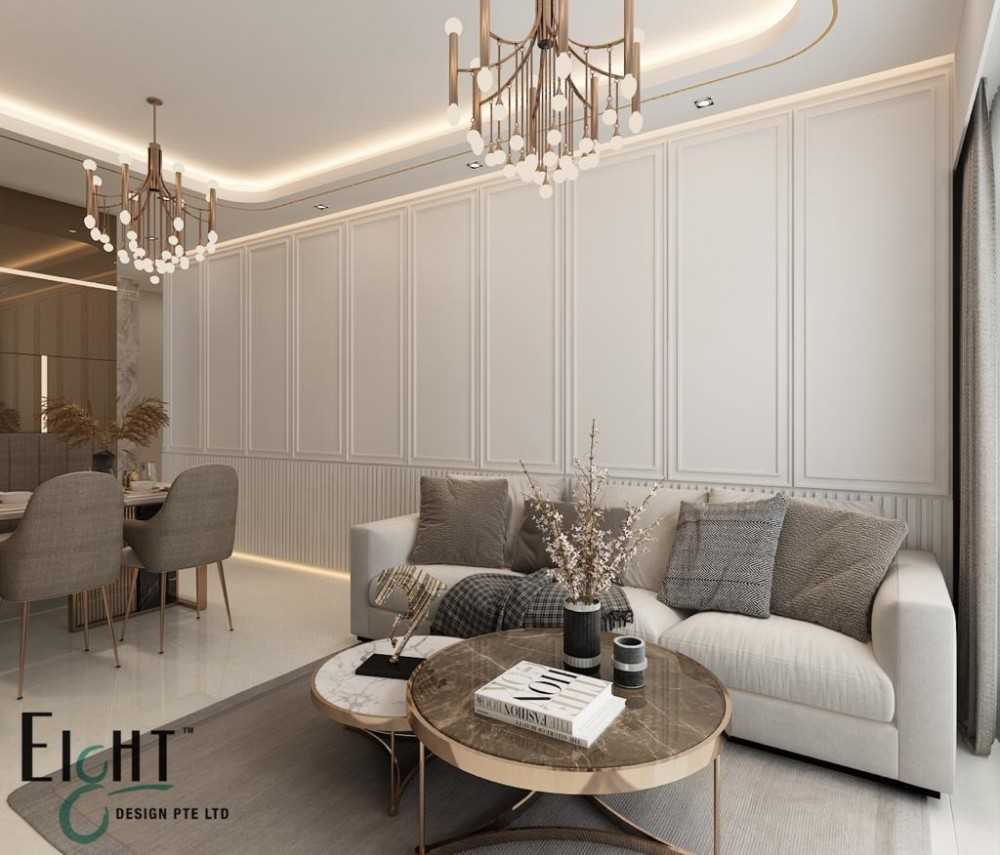
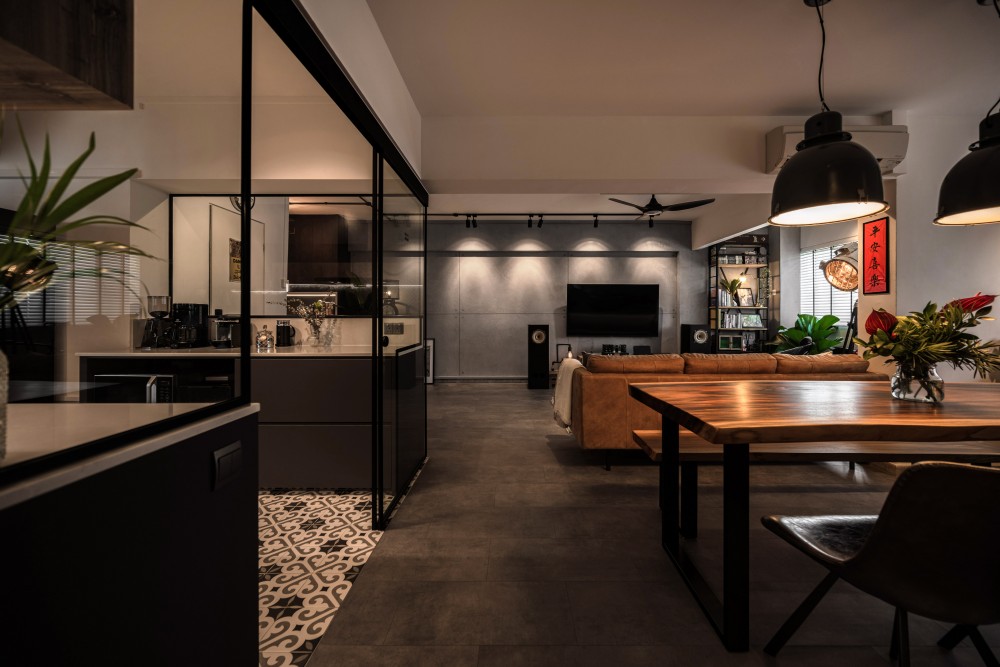
High Park Residence ($90,000) by Eight Design Pte Ltd
These pieces don’t have to be expensive to be stylish; even budget-friendly options in modern or vintage styles can add glamour and personality. Think of lighting fixtures as wearable accessories for your home — they define the style and mood of a room.
7. Avoid Décor That Feels Temporary or Student-Like
A luxurious home doesn’t have to be expensive, but it should feel intentional. One of the fastest ways to cheapen a space is by filling it with items that look like they were meant for a dorm room, a short-term rental, or a last-minute fix. While some of these things might seem fun or convenient at first, they can disrupt the overall flow and polish of your interiors.
Here are a few common décor choices that tend to make a home feel less refined (and what to use instead):
Fairy lights and LED strip lights
Exposed string lights can make your home look like a college dorm room. While ambient lighting is important, opt for floor lamps, wall sconces, or pendant lighting with warm bulbs instead. If you really like LED strips, conceal them behind shelves or under cabinets for a subtle glow — not an Instagram backdrop.
Overly thematic or “Pinterest-y” décor
Signs that say “Home Sweet Home,” excessive pampas grass, or over-the-top themed corners (like faux café setups or boho tents) can date quickly. Choose neutral décor with character instead — think handcrafted ceramics, framed art, or a statement plant in a textured pot.
Mass-produced canvas art and fake books
Printed motivational quotes or abstract art from fast décor stores may fill up a wall, but they rarely bring depth to a space. Instead, consider local prints, vintage posters, or DIY framed fabric swatches. These feel more personal — and ironically more luxurious — than mass-market options.
Bean bags
These may be comfy, but they rarely hold their shape and often clash with a grown-up, cohesive aesthetic. Go for structured lounge chairs or compact armchairs instead.
Wall decals and stick-on quotes
Peel-and-stick decorations can look cheap and are hard to remove cleanly. If you want art, frame affordable prints or go for textured wall panels or wallpaper instead.
Fake plants (especially plastic-looking ones)
A few well-chosen faux plants are fine, but avoid visibly plastic ones with shiny leaves and fake soil. They collect dust and quickly lose their charm. Opt for real plants like snake plants or money plants that thrive in Singapore’s climate — or invest in better-quality faux greenery.
A Final Word On Making Your Home More Luxurious
You don’t have to be rich to create a luxurious home in Singapore. By choosing quality materials, refined colours, upgraded hardware, and good lighting, you can craft a space that feels elegant and welcoming — all without overspending. Remember, luxury is less about price tags and more about thoughtful details that bring comfort and style into your everyday life.
Want to check out home renovation projects for more inspiration? Browse interior design ideas on Hometrust, or click the button below to get connected with expert designers!
Renovating soon? Let Hometrust recommend the best interior designers.
If you are reading this, you are probably wondering how you can create your dream home.
Here’s the thing, everyone’s needs and requirements for their home renovation is different. A designer that may work for someone else, may not quite work for you.
At Hometrust, we’re here to help match top rated designers, recommended by past homeowners to you through our data-driven and matching algorithm.
Whether you are looking for partial renovation or a full fledge overhaul, we’ll be able to recommend you top designers to match your renovation requirements and lifestyle.
Recommendations and free and you can simply start by helping us understand your needs below!
Get RecommendationsRenovate safe!
The Hometrust Team