The Ultimate Guide to Using Global Design Trends to Inspire Your Home
With Singapore’s strong passport, many of us have had the chance to experience different cultures and design styles while traveling. Whether it’s the cozy charm of a Scandinavian cabin, the elegant sophistication of a Parisian apartment, or the breezy, laid-back vibes of a Balinese villa, these spaces often leave a lasting impression.
Bringing a touch of those experiences into your home can be a great way to make your space feel more personal and meaningful. At the same time, it’s important to adapt these styles to suit our local context—factoring in space constraints, climate, and functionality.
In this guide, we’ll explore some of the most iconic design styles from around the world and how you can bring them into your Singapore home.
1. Scandinavian Minimalism (Denmark, Sweden, Norway)
Scandinavian design has become a favorite worldwide, and for good reason. It embodies a philosophy of simple, functional beauty that prioritizes comfort and warmth, making it ideal for Singapore’s urban living spaces. Rooted in nature, Scandinavian interiors focus on creating a serene environment that feels uncluttered and spacious.
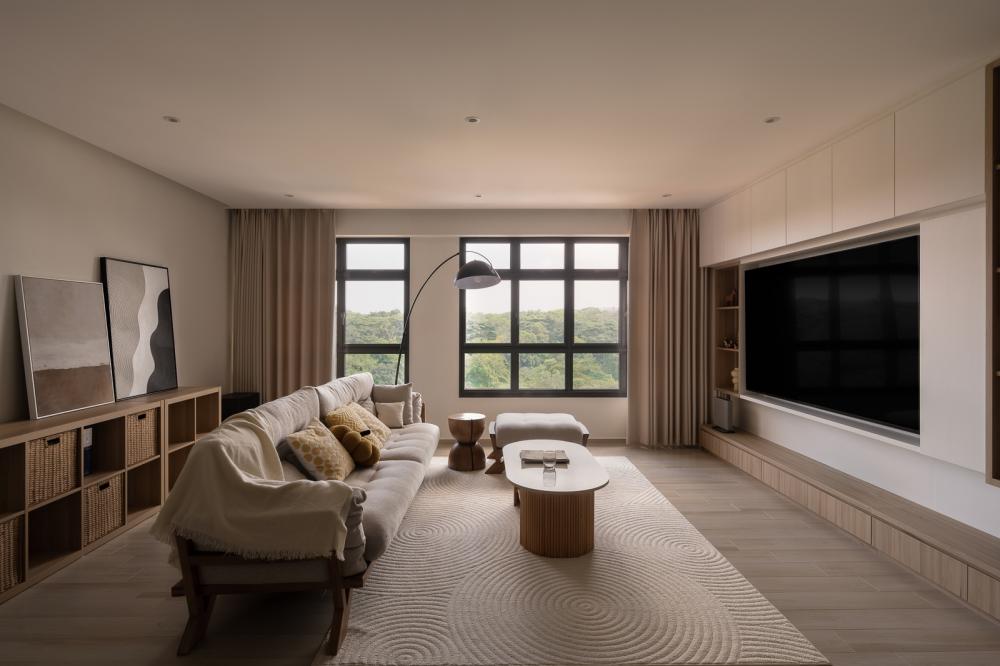
174B Sengkang ($50,000) by The Interior Lab Pte Ltd
Key Characteristics of Scandinavian Design:
- Neutral Color Palettes: The hallmark of Scandinavian design is its use of light, neutral tones, which create a calm, bright, and airy space. Think whites, light greys, soft beiges, and muted pastels that bring in a sense of tranquility.
- Natural Materials: Wood is a key material, especially light woods like oak or pine, which are used for flooring, furniture, and accents. Stone, linen, and wool also appear in decor and textiles, connecting the indoors with nature.
- Functional Furniture: Scandinavian furniture is as much about utility as it is about aesthetics. Expect clean lines, minimal ornamentation, and multifunctional pieces that save space without sacrificing style.
- Cozy Accents (Hygge): A major part of Scandinavian design is the idea of “hygge,” which translates to creating a cozy and welcoming atmosphere. Soft throws, warm lighting, and comfortable seating create spaces that feel inviting, perfect for relaxing or socializing.
How to Apply It in Singapore:
- Opt for Multifunctional, Space-Saving Furniture: In Singapore, space is often limited. Scandinavian design thrives in small spaces by focusing on furniture that can serve more than one purpose—such as a sofa that doubles as a guest bed or a dining table with hidden storage.
- Choose Light, Natural Materials: Light wood furniture and finishes are perfect for creating a clean and airy atmosphere in your home. Consider incorporating wooden elements in furniture, shelving, or even flooring to add warmth. Natural fibres like cotton and linen in your cushions, throws, and curtains will enhance the cozy, lived-in feel.
- Embrace Minimalism: Declutter your space by focusing on quality over quantity. Instead of filling every corner with accessories, choose a few statement pieces that bring personality to the room without overwhelming it.
- Add Cozy Textiles for Hygge: Even in a tropical climate, Singaporeans love to create a comfortable, cozy environment. Embrace the Scandinavian love of texture by layering cushions, throws, and rugs in your living area. Stick to breathable fabrics like cotton or linen to keep things light but cozy.
2. Japanese Design (Japan)
Japan is a popular travel destination for Singaporeans, and it’s easy to see why. From the bustling streets of Tokyo to the tranquil temples of Kyoto, the country offers a rich blend of old and new that is both captivating and inspiring. It’s no surprise that Japanese design—especially its minimalist, Zen-inspired aesthetic—has become a major influence in interior design worldwide, including in Singapore.
Japanese design celebrates simplicity, nature, and craftsmanship. Much like Scandinavian design, it embraces minimalism but with an emphasis on creating a balanced, harmonious environment.
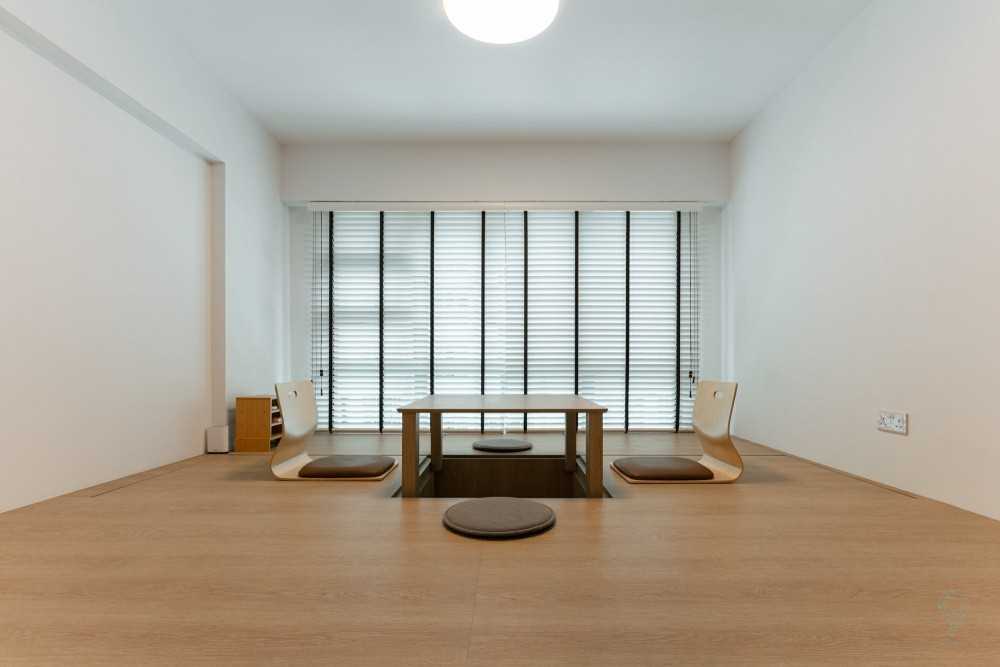
273A Punggol Place 1 ($48,000) by 9 Creation Pte Ltd
Key Characteristics of Japanese Design:
- Minimalism and Simplicity: Japanese interiors are known for their clean, uncluttered spaces. This is achieved by focusing on essential, functional elements while eliminating unnecessary items. The result is a serene, calming atmosphere that encourages mindfulness and reflection.
- Natural Materials: Wood, stone, bamboo, and paper are commonly used in Japanese design. These materials are not only sustainable but also contribute to the natural feel of the space, blurring the boundaries between indoor and outdoor environments.
- Low Furniture: Low-profile furniture is a signature feature of Japanese interiors. Tatami mats, futons, and low tables (chabudai) create a sense of openness and calm while reflecting traditional Japanese living.
- Zen-Inspired Spaces: Inspired by Zen philosophy, Japanese interiors focus on creating spaces that promote relaxation, meditation, and mindfulness. This is achieved through minimalist design, natural elements, and the use of lighting to highlight the beauty of simplicity.
How to Apply It in Singapore:
- Embrace Clean, Open Spaces: Just as in Japan, opt for open, uncluttered spaces that promote a sense of calm and focus. Use multifunctional furniture, such as sliding doors or low-profile storage solutions, to maintain an airy, spacious feel in your home.
- Use Natural Materials: Integrate natural materials like bamboo, stone, and wood into your home. A wooden accent wall, bamboo blinds, or stone countertops can help bring an organic, natural feel to your space—perfect for creating a peaceful, Zen-inspired environment.
- Incorporate Low Furniture: Although Singaporeans may not be used to sitting on the floor as much as the Japanese, incorporating low furniture pieces—such as low-profile coffee tables or floor cushions—can create a more relaxed, casual atmosphere. Consider a tatami-style rug or a low dining table to introduce this unique Japanese element.
- Add Zen Elements: Bring in elements that promote relaxation, such as indoor plants, a small indoor water feature, or minimalist Japanese-inspired artwork. The goal is to create a serene environment where you can unwind and reflect.
3. Mediterranean Design (Greece, Italy, Spain)
Mediterranean design evokes the charm, warmth, and relaxed elegance of coastal living. It draws inspiration from the sun-drenched countries of Greece, Italy, and Spain, where rich history, vibrant colours, and a connection to nature define the aesthetic. The Mediterranean style brings together rustic elements with luxurious touches, creating a timeless appeal that feels both grounded and sophisticated.
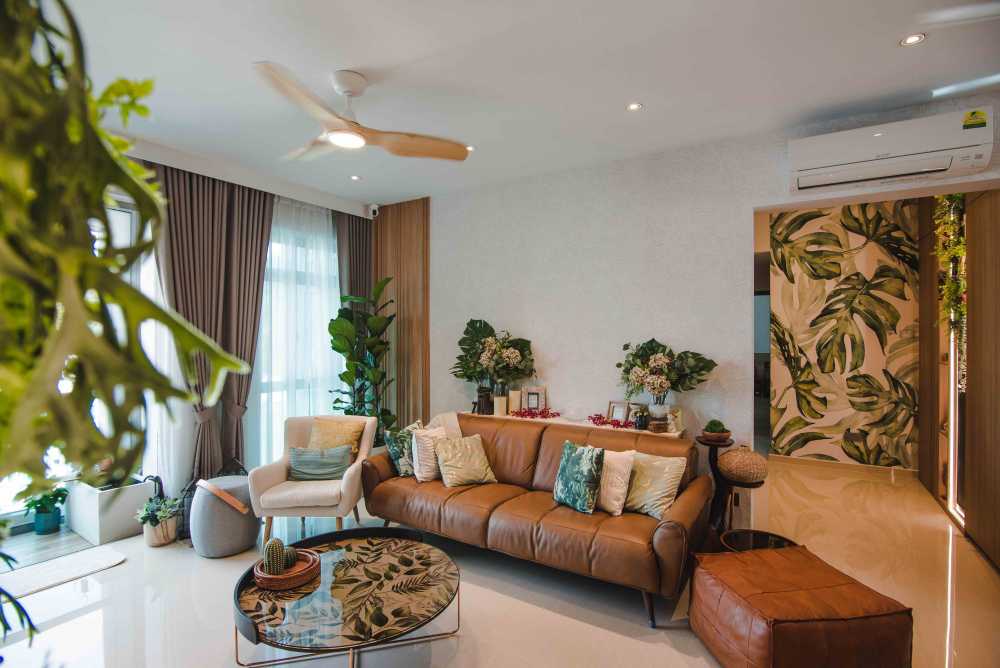
Hume Park Ave II 2 ($75,000) by De Style Interior Pte Ltd
Key Characteristics of Mediterranean Design:
- Arched Doorways and Windows: One of the most iconic features of Mediterranean design is the use of arches, which are often incorporated into doors, windows, and entryways. These curves not only enhance the aesthetic appeal of the space but also evoke a sense of grandeur and openness.
- Textured Walls and Surfaces: Mediterranean design celebrates textures, with rough plastered walls, stucco finishes, and exposed brick or stone surfaces. These textured finishes bring depth and warmth to the space, creating a lived-in, earthy vibe.
- Vibrant Colors: Inspired by the landscapes of the Mediterranean, the colour palette is rich and varied, featuring bold shades like terracotta, deep blues, rich ochres, and sun-kissed yellows. These vibrant hues are often seen in accent pieces like throw pillows, rugs, and ceramics, adding warmth and energy to the room.
- Natural Materials: Wood, stone, and terracotta tiles are common in Mediterranean interiors. These materials not only evoke the natural beauty of the Mediterranean landscape but also add a sense of authenticity to the space.
How to Apply It in Singapore:
- Incorporate Arches: Arches are already a popular design element in Singapore, particularly for those seeking to add character and uniqueness to their interiors. These can be incorporated into doorways, windows, or even kitchen cabinets, to transform the mood of a room and give it a Mediterranean-inspired feel.
- Use Warm, Earthy Tones: To recreate the Mediterranean palette, consider painting your walls in soft, warm shades like terracotta, golden ochre, or muted blues. These hues will add depth and vibrancy to your home while still feeling relaxed and inviting. Accent with textiles in rich, contrasting tones to bring in personality and warmth.
- Add Texture: Mediterranean style thrives on texture. Exposed brick walls, textured plaster finishes, and natural stone floors bring a sense of history and authenticity to a space. For Singaporean homes, consider textured wallpaper or faux-stone finishes to achieve a similar effect without the cost and hassle of major renovations.
- Opt for Natural Materials: Incorporate natural materials like terracotta, clay tiles, and wooden furniture into your home. In Singapore’s tropical climate, materials like terracotta are not only beautiful but also functional, as they help regulate temperature and provide a cool, earthy vibe.
4. Modern Parisian Chic (France)
Parisian interiors are the epitome of effortless elegance, combining classic French sophistication with a modern twist. This design style is refined, chic, and imbued with history, making it a perfect choice for those looking to create a timeless yet contemporary atmosphere in their homes. Paris is known for its iconic blend of luxury and functionality, and this design style brings both warmth and style to any space.
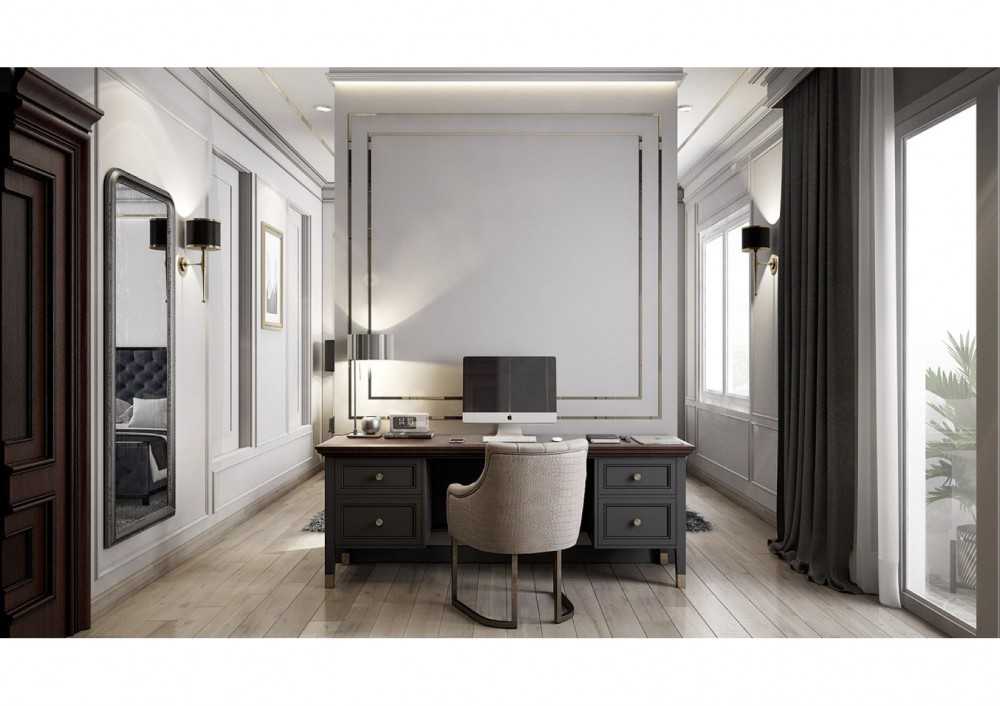
Proposed Design: French Minimalist Interior Style ($100,000) by WRX Interior
Key Characteristics of Modern Parisian Chic:
- Decorative Moldings and Wainscoting: Traditional French homes often feature intricate moldings, cornices, and wainscoting that add a sense of luxury and grandeur to the space. These elements are typically found along the ceilings or on the lower walls, adding an air of sophistication to the room.
- Herringbone or Chevron Wood Flooring: A hallmark of Parisian design, herringbone or chevron wood flooring is not just functional but also highly decorative. These patterned floors add texture and character to a room.
- Vintage Chandeliers and Ornate Mirrors: The French are masters at mixing the old with the new, and vintage chandeliers or ornate mirrors often take center stage in Parisian interiors. These statement pieces add an element of glamour and refinement, elevating the room’s entire atmosphere.
- A Mix of Antique and Modern Furniture: Parisian chic homes often combine antique, vintage, and modern furniture pieces in a seamless way. The juxtaposition of classic and contemporary creates an eclectic and inviting atmosphere where both old and new have their place.
How to Apply It in Singapore:
While Parisian homes often feature expansive rooms and high ceilings, many of the signature elements of Parisian chic can be adapted to Singapore’s more compact living spaces. Here’s how you can bring this luxurious style into your home:
- Decorative Moldings and Wall Panels: In Singapore, it may be challenging to replicate the grand architectural features of Parisian homes, but you can still add charm and elegance by installing decorative moldings or wainscoting. These can be added to any room, whether in the living area or even the hallway, to add visual interest and sophistication. Stick-on moldings are also a cost-effective and easy way to achieve this Parisian touch without the need for major renovations.
- Herringbone or Chevron Wood Flooring: While herringbone floors may seem like a luxury, there are plenty of affordable options that replicate this style, such as laminate or engineered wood flooring. These patterned floors can bring a sense of luxury and uniqueness to your space, especially when paired with plush rugs and elegant furniture.
- Statement Lighting: Statement lighting is a key element of Parisian chic, so consider incorporating a vintage chandelier or a sculptural pendant light in the dining room or entryway. These fixtures act as stunning focal points that add drama and sophistication to the room.
- Mix Old and New: One of the most charming aspects of Parisian chic is the ability to mix old with new, and this works perfectly in Singapore’s homes. Consider pairing sleek, modern furniture like a minimalist sofa with an antique coffee table or vintage armchair. The key to achieving a Parisian chic look is to make sure each piece has character and adds to the charm of the space. Look for classic or vintage-inspired pieces at local antique stores like Hock Siong or online marketplaces like Carousell.
5. Turkish & Middle Eastern Opulence (Turkey, Persia, the Levant)
Inspired by the rich cultural history and grandeur of Turkey, Persia (modern-day Iran), and the Levant, this design style is all about opulence, intricate patterns, and a vibrant mix of textures.
These regions have long been known for their luxurious craftsmanship, from handwoven rugs to ornate textiles and stunning architectural details. The aesthetic draws on centuries of artistic tradition, blending bold colours, lavish materials, and detailed designs to create a space that feels both exotic and welcoming.
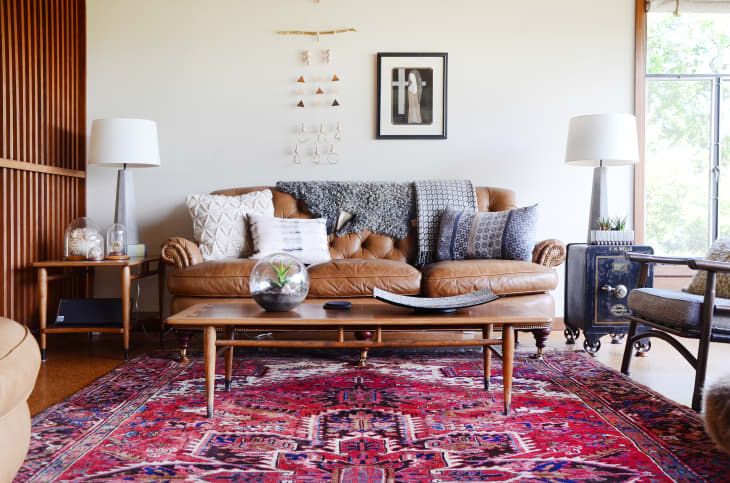
Source: lillarugs.com
Want to check out home renovation projects for more inspiration? Browse interior design ideas on Hometrust, or click the button below to get connected with expert designers!
Renovating soon? Let Hometrust recommend the best interior designers.
If you are reading this, you are probably wondering how you can create your dream home.
Here’s the thing, everyone’s needs and requirements for their home renovation is different. A designer that may work for someone else, may not quite work for you.
At Hometrust, we’re here to help match top rated designers, recommended by past homeowners to you through our data-driven and matching algorithm.
Whether you are looking for partial renovation or a full fledge overhaul, we’ll be able to recommend you top designers to match your renovation requirements and lifestyle.
Recommendations and free and you can simply start by helping us understand your needs below!
Get RecommendationsRenovate safe!
The Hometrust Team