How to Design a Cooler Home in Singapore’s Hot and Humid Climate
While air conditioning is often the obvious solution, your renovation choices can also affect how comfortable your home feels. From the way you arrange rooms to the type of window treatments you choose, small decisions can help manage heat, improve airflow and make your home more pleasant to live in.
Whether you are renovating a BTO, updating a resale HDB flat or fitting out a condo, here are some practical ways to design for Singapore’s hot and humid climate.
Start With How Heat and Air Move Through Your Home
A cooler home starts with understanding where heat comes from and how air moves through your space. You cannot change Singapore’s climate, but you can avoid renovation choices that trap heat or block useful airflow.
Think about your home’s natural airflow
Natural ventilation can make a noticeable difference when the weather is suitable for opening your windows. If your home has windows on different sides, opening them at the same time can encourage air to move through the flat instead of simply circulating within one room.
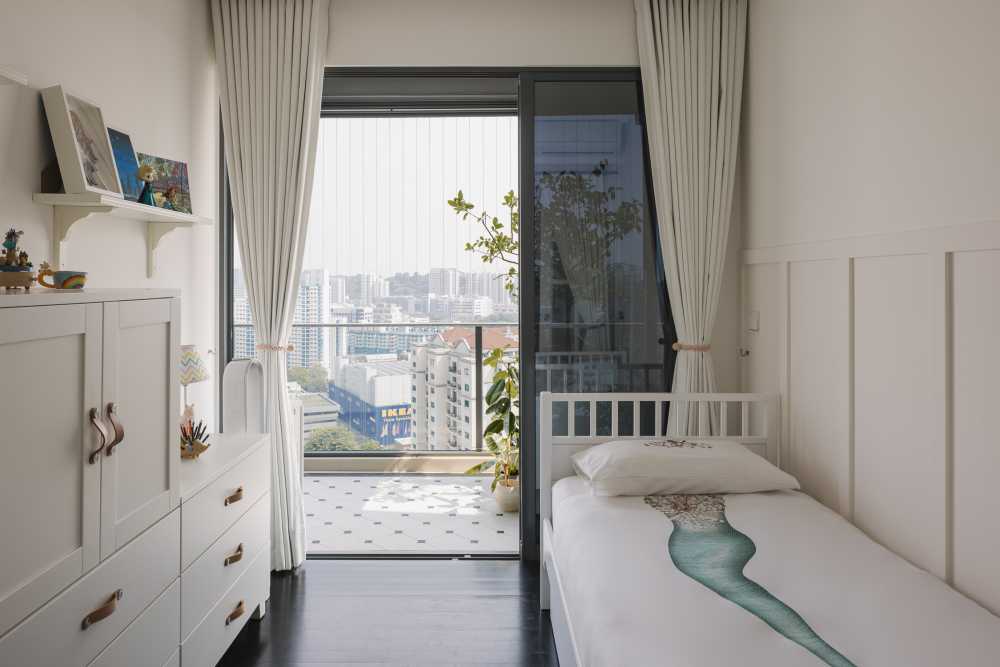
Stirling Residences ($81,000) by The Interior Lab
This is particularly useful in HDB flats where the main living area, bedrooms and service yard may have different sources of ventilation.
Before adding walls or large built in cabinets, look at how air currently moves through the home. A layout that looks spacious on paper can still feel stuffy if furniture and partitions block the main airflow paths.
Condos can have more variation in their window arrangements, depending on the unit’s orientation and layout. If you are buying a resale condo or renovating an older unit, spend some time in the space at different times of day before deciding where to place major built ins.
Keep hot afternoon sun under control
Direct sunlight is one of the simplest things to address during renovation. Rooms with large windows facing the afternoon sun can become noticeably warmer, particularly when sunlight falls directly onto flooring, sofas and other surfaces for several hours.
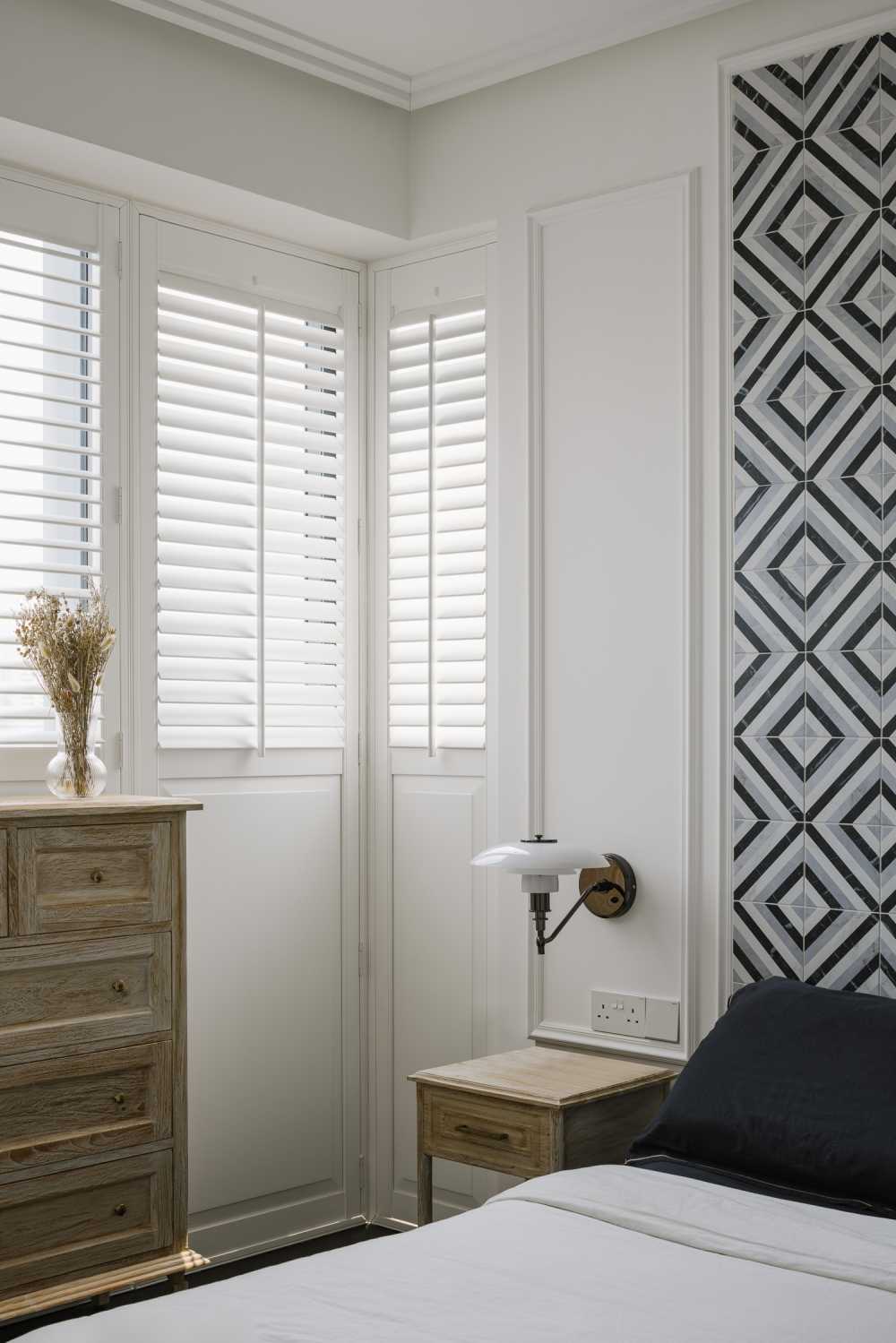
Stirling Residences ($81,000) by The Interior Lab
Window treatments are therefore more than a decorative decision. Curtains, blinds and other forms of sun control can reduce the amount of direct sunlight entering a room and make it easier to keep the space comfortable.
Pay particular attention to bedrooms and living rooms that receive strong afternoon sun. You may not need the same treatment throughout the home, so consider the direction and amount of sunlight each room receives before choosing your window coverings.
Make Your Layout Work With the Climate
The layout of your home affects more than how spacious it looks. It also determines how easily air can move between rooms and how much heat gets trapped in enclosed areas.
Be careful about overbuilding the space
Built in storage is useful, especially in compact 3 room and 4 room HDB flats where every bit of storage counts. However, filling every available wall with full height cabinetry can make a home feel more enclosed and reduce the sense of openness.
This does not mean you should avoid built ins altogether. Instead, think carefully about where they are actually needed. A large cabinet that blocks a window, narrows a passageway or separates two areas may have a bigger impact on how the room feels than you expect.
The same applies to partitions. Glass panels, half height dividers and open shelving can sometimes provide separation without creating a completely enclosed space.
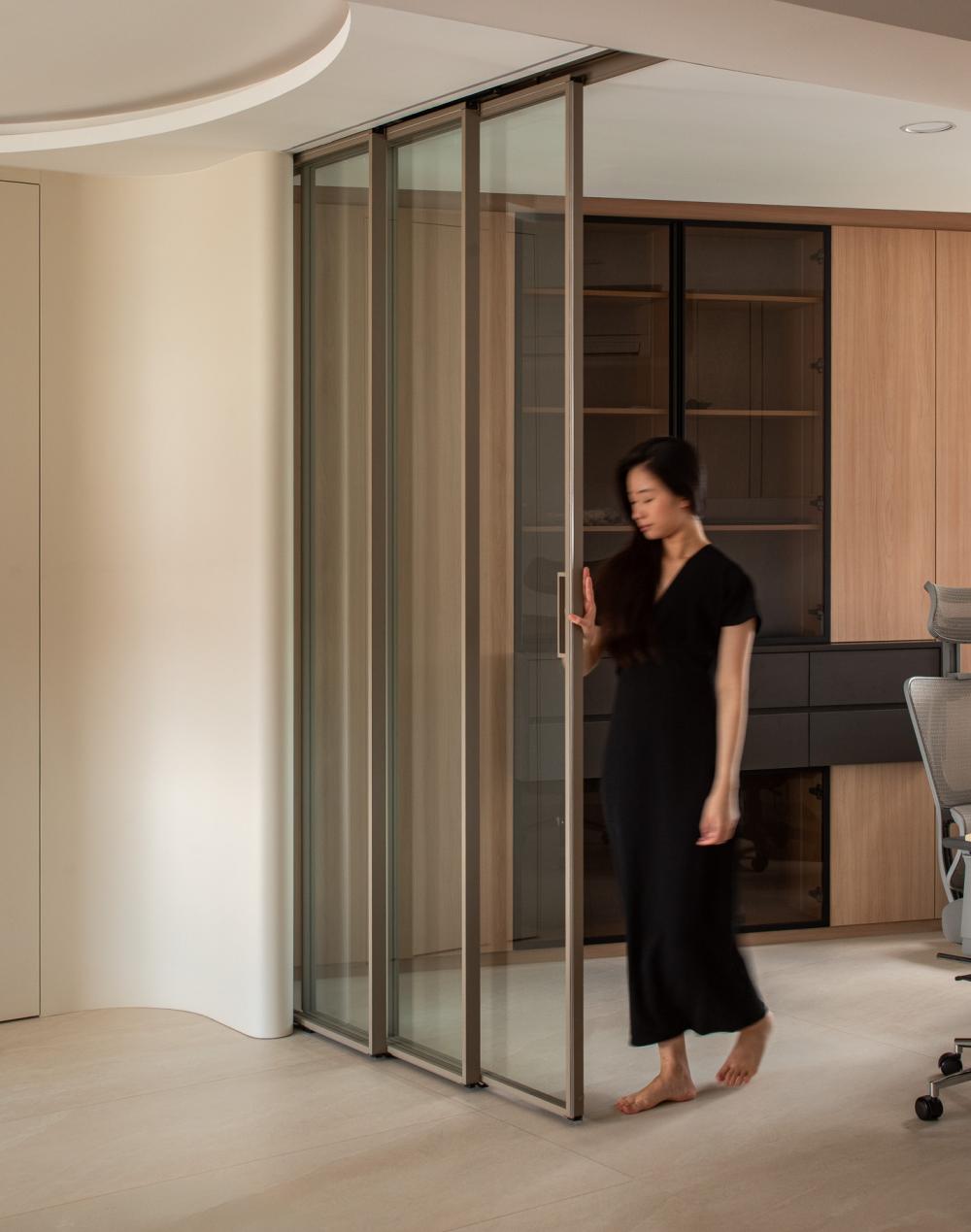
467 hougang ($120,000) by Mr Designer Studio
This can be useful if you want to define areas within an open concept living and dining layout while keeping some visual and airflow connection between them.
Consider where you place the kitchen
Kitchens generate heat, particularly when you are cooking for an extended period. In a compact HDB flat, that heat can quickly spread into the living and dining areas.
A good kitchen layout should therefore consider ventilation as well as storage and aesthetics. Make sure your cooker hood is properly positioned and vented according to the applicable requirements, and think about how cooking heat will move through the rest of the home.
If you are planning an open kitchen, consider whether the openness actually suits how you cook. For homeowners who cook frequently, a partially enclosed kitchen or glass sliding doors can provide a useful middle ground and help contain the heat from cooking.
Choose Materials That Feel Better in Singapore’s Heat
Materials will not magically turn a hot room into a cool one, but they can affect how comfortable the space feels. In Singapore, where humidity is a constant part of daily life, the practicality of your finishes matters just as much as how they look.
Think beyond how materials look
Some materials simply feel more pleasant to live with than others. This becomes especially noticeable in bedrooms and living areas where you regularly walk barefoot, sit on the floor or come into contact with furniture and surfaces.
For example, flooring that feels comfortable underfoot can make a room more pleasant when you are not running the air conditioning. Upholstery and soft furnishings also matter because some fabrics can feel warmer or less comfortable in humid conditions.
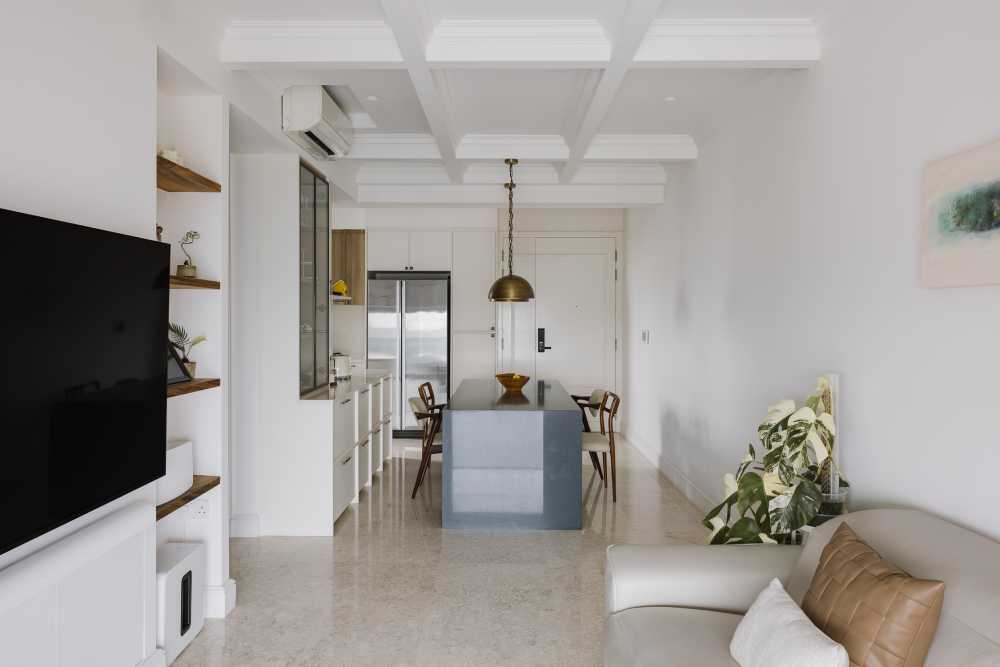
Stirling Residences ($81,000) by The Interior Lab
Maintenance is another consideration. Singapore’s humidity means that materials need to cope with moisture and regular cleaning. When comparing flooring, cabinetry and upholstery, consider how the material will perform after several years of daily use rather than choosing solely based on its appearance in a showroom.
Use lighter finishes strategically
Light coloured interiors are popular in Singapore for good reason. White, cream, beige and other lighter finishes can help a small home feel brighter and more spacious, particularly when combined with natural light.
They can also reduce the amount of sunlight absorbed by some surfaces compared with darker finishes. This is more relevant in areas that receive strong direct sunlight, although it should not be treated as a substitute for proper window shading.
Use Fans and Window Treatments More Strategically
You do not necessarily need to choose between running the air conditioning constantly and simply putting up with the heat. Fans and window treatments can make a room feel more comfortable while giving you another way to manage the climate.
Do not underestimate ceiling fans
Fans do not actually lower the temperature of a room. Instead, they move air across your skin, helping you feel cooler by increasing the evaporation of sweat.
That can still make a meaningful difference in everyday life. A ceiling fan in the living room, bedroom or study can allow you to feel comfortable at a higher thermostat setting or on days when you do not need the air conditioning running continuously.
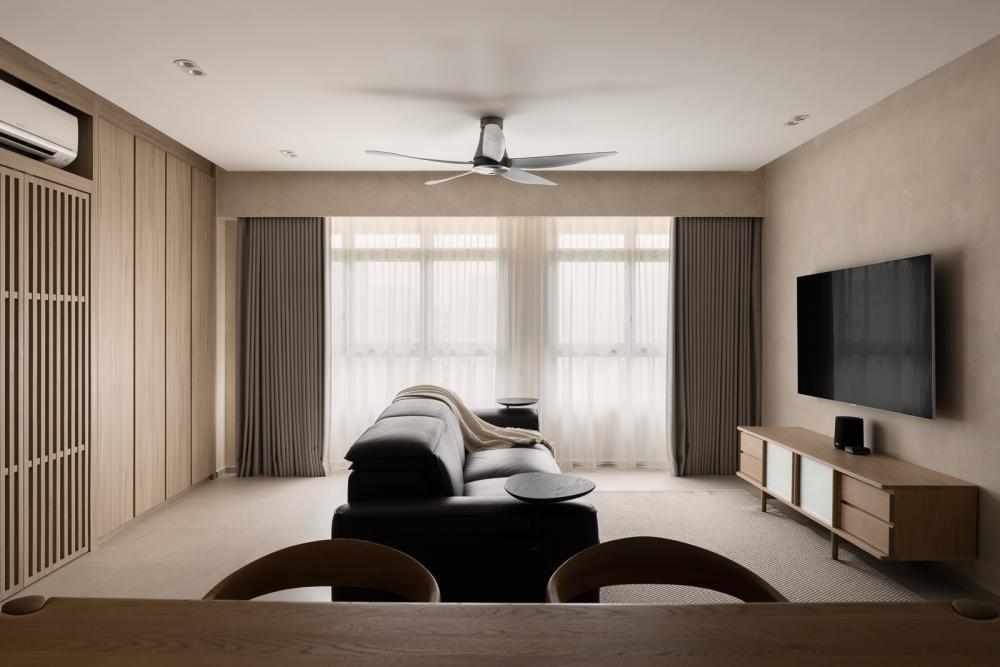
Garden Terrace @ Tengah ($88,000) by The Interior Lab
Plan fan locations before your renovation is completed. Think about the size and shape of each room, the position of your sofa or bed and whether built in cabinets could interfere with the fan. You should also make sure there is sufficient clearance around the fan.
For bedrooms, consider whether the fan will be positioned directly above the bed and whether its size and speed settings suit how you sleep. A fan that creates too much movement or noise may end up being used less often than expected.
Pick window treatments based on the room
Different rooms can benefit from different types of window treatments. A bedroom that receives strong morning sunlight may benefit from blackout curtains, while a living room may work better with curtains that filter sunlight while still allowing some daylight into the space.
Layered window treatments can also give you more control. You can keep sheer curtains closed during the day to soften the sunlight, then draw the heavier curtains when the sun becomes particularly strong.
Renovation Choices That Make a Difference Every Day
The most useful cooling decisions are often the ones that are easy to overlook during a renovation. They may not appear in your mood board, but you will notice them every day once you move in.
Plan for comfort, not just the floor plan
Think about ventilation, fans, air conditioning and sunlight while you are still planning the layout. It is much easier to decide where a ceiling fan should go or where an air conditioning unit needs to be positioned before the carpentry and electrical work are completed.
The same applies to power points. If you expect to use standing fans, dehumidifiers or other appliances in particular rooms, plan enough outlets in sensible locations rather than relying on extension cords later.
This is also a good time to think about how you actually use your home. If you work from home several days a week, your study area is a crucial area when thinking about ventilation. If your family spends most evenings in the living and dining area, prioritise comfort there.
Know where to spend and where to keep it simple
You don’t need to buy expensive materials or completely redesign your HDB or condo to make it more comfortable.
In many homes, the biggest improvements come from getting a few basic things right: controlling direct sunlight, allowing air to move through the space and choosing furniture and built ins that do not make the layout unnecessarily enclosed.
Instead of spending heavily on decorative features, consider whether part of that budget would be better spent on good window treatments, properly planned fans, practical ventilation and a layout that suits how you use the home.
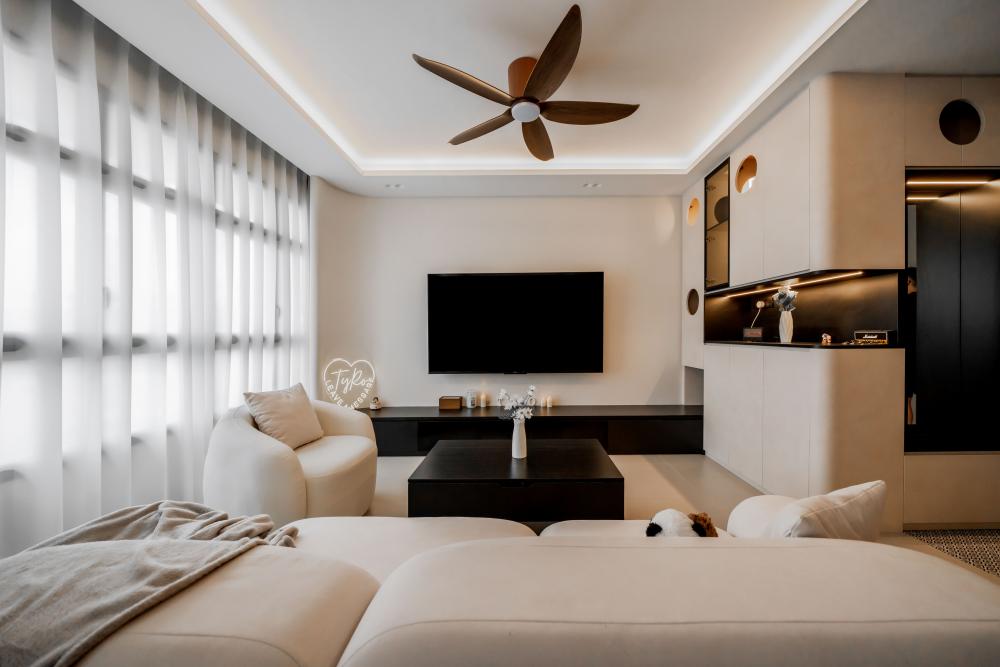
95C Circuit Road ($80,000) by Areana Creation
For resale HDB owners, there is also a practical reason to prioritise these decisions early. Older flats may have more extensive renovation needs, so it can be tempting to spend most of the budget on replacing finishes and hacking walls. Planning for everyday comfort at the same time can help you avoid costly changes later.
A cooler home is ultimately less about finding one perfect material or renovation trick and more about making a series of sensible choices. Think about where the sun enters, where air can move, how you use each room and which areas of the home tend to get warm. Once those basics are considered, your renovation can work with Singapore’s climate rather than simply trying to shut it out.
A Final Word On Designing A Cooler Home In Singapore
Whether you live in a compact BTO, a larger resale flat or a condo, a comfortable home does not have to mean running the air conditioning all day.
With the right layout, shading, ventilation and everyday materials, you can create a space that feels more pleasant throughout the year while still looking like the home you want to live in.
Want to check out home renovation projects for more inspiration? Browse interior design ideas on Hometrust, or click the button below to get connected with expert designers!
Renovating soon? Speak to top rated interior designers.
Discuss your home renovation ideas and plans with top rated firms, recommended by past homeowners. Let us help you shortlist the most suitable interior designers for your project.