The Ultimate Guide to Using Global Design Trends to Inspire Your Home
A beautifully designed home loses its charm when it’s overwhelmed by clutter. No matter how well-planned your interiors are, too many items can create visual noise, making your space feel chaotic rather than inviting.
But why do we find it so hard to let go of things? Understanding the psychology behind clutter can help us make better decisions and create a home that truly reflects peace, functionality, and style.
Why We Hold On to Clutter
Decluttering isn’t just a physical process—it’s an emotional one. Many of us struggle to part with items, even when they no longer serve a purpose. Understanding the psychological reasons behind clutter can help us make better decisions about what to keep and what to let go of.
Emotional Attachments and Sentimentality
Certain items hold deep emotional significance—letters from loved ones, childhood keepsakes, or souvenirs from special trips. These objects become symbolic of people, places, and memories, making it difficult to part with them.
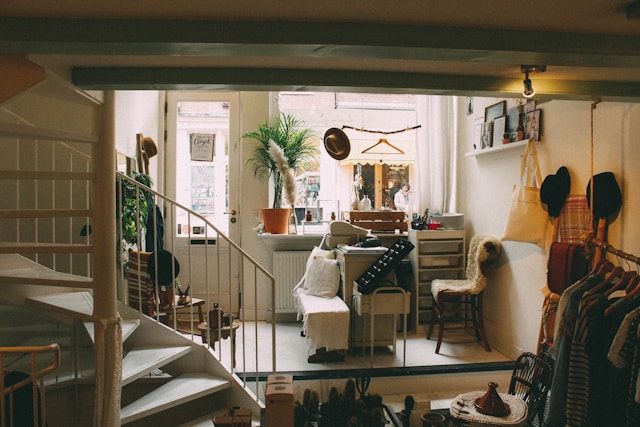
174B Sengkang ($50,000) by The Interior Lab Pte Ltd
While it’s natural to feel sentimental, it’s important to ask: Is this item truly adding value to my home, or is it simply taking up space? Consider keeping a select few meaningful pieces and letting go of the rest.
Fear of Future Regret
One of the biggest reasons we hold on to things is the worry that we might need them someday. That extra set of dishes, outdated electronics, or stacks of old magazines might feel useful in theory, but in reality, they often gather dust. The truth is, most “just in case” items rarely get used.
We often see this mentality in our parents—they hold onto spare utensils, old furniture, and countless miscellaneous items, convinced they might come in handy one day. But once we move out and become homeowners ourselves, we start to understand their reasoning.
The idea of throwing something away when it could be useful later feels wasteful. However, setting a realistic timeframe can help: If I haven’t needed this in a year, will I really need it in the future? More often than not, the answer is no.
The Guilt of Letting Go
Many people struggle with decluytering because they feel guilty about wasting money. Items that were expensive or barely used—such as clothes with tags still on or kitchen gadgets that seemed like a good idea at the time—become burdensome. But keeping something out of guilt doesn’t bring the money back.
Instead, consider passing these items on to someone who will actually use them. You can list them for free on platforms like Carousell or Olio, or simply drop a message in your neighborhood group chat to see if anyone is interested. This way, your unused belongings get a second life instead of collecting dust in your home.
Identity and Aspirations
Our possessions often reflect who we once were or who we aspire to be. Maybe you’re holding on to stacks of books you never read because you once envisioned yourself as a bookworm. Or perhaps you have art supplies gathering dust because you thought you’d take up painting.

273A Punggol Place 1 ($48,000) by 9 Creation Pte Ltd
These items can create subconscious pressure, reminding us of unfulfilled goals. It’s okay to acknowledge that interests change and that letting go of unused items doesn’t mean letting go of personal growth.
Decision Paralysis
Sometimes, the sheer volume of clutter makes it overwhelming to even begin. The more items we accumulate, the harder it becomes to make decisions about what to keep and what to let go of. This often leads to avoidance, with clutter continuing to build up. A helpful strategy is to start small—tackle a single drawer, shelf, or category at a time. Breaking the process into manageable steps makes it easier to take action.
Attachment to the Past
Some items remind us of significant life events—wedding gifts, childhood toys, or furniture passed down from family members. While nostalgia is powerful, it’s important to consider whether the object itself is what holds meaning or if it’s the memories associated with it. If something no longer fits your home or lifestyle, take a photo of it before letting go. That way, you preserve the memory without the clutter.
How to Let Go and Create a Clutter-Free Space
Decluttering isn’t just about getting rid of things—it’s about transforming your home into a space that reflects your lifestyle, enhances functionality, and allows your interior design to shine. Here’s how to let go of unnecessary items and create a home that feels open, organized, and intentional.
Set Clear Decluttering Goals
A clutter-free home doesn’t happen overnight. Break the process into small, manageable steps:
- Focus on one room, category, or area at a time (e.g., kitchen counters, wardrobes, bookshelves).
- Set a realistic timeline—decluttering for just 15-30 minutes a day can make a big difference.
- Use the one-in, one-out rule—for every new item you bring in, remove one that no longer serves a purpose.
Use the “One-Year Rule”
A simple way to decide what stays and what goes is to ask yourself: Have I used this in the past year? If the answer is no, chances are you won’t need it in the future either. This rule is especially useful for:
- Clothing you haven’t worn
- Kitchen gadgets collecting dust
- Unread books and old magazines
- Home decor items that no longer fit your style
For seasonal items like holiday decorations or winter coats, adjust the timeframe accordingly, but be honest about what you truly use.
Prioritize Design Over Clutter
A well-designed home is about balance—too many items can overwhelm even the most thoughtfully curated space. Instead of filling shelves and surfaces with random decor, embrace a “less but better” approach:
- Choose fewer, high-quality decorative pieces that truly enhance the space.
- Keep surfaces like countertops and coffee tables as clear as possible to maintain a clean, open feel.
- Use statement pieces strategically rather than cluttering every available space with small trinkets.
Adopt a Maintenance Routine
Decluttering once isn’t enough—it’s about ongoing habits that prevent clutter from creeping back in:
- The 5-Minute Rule: Spend five minutes tidying up every evening to keep things in check.
- The One-Touch Rule: If you pick something up, put it back in its place immediately rather than setting it down randomly.
- Quarterly Declutters: Every three months, reassess your space and clear out items that no longer serve you.
When Is the Best Time to Declutter?
Decluttering doesn’t need to happen all at once, and there’s no single “perfect” time to start. However, certain moments make it easier and more effective. Whether you’re refreshing your space, preparing for a big move, or simply looking to feel lighter, there are ideal times throughout the year to tackle clutter and transform your home into a more organized, peaceful space.
Before a Home Renovation or Move
If you’re redesigning your home or preparing to move, decluttering beforehand can make a huge difference. No matter how beautifully designed your space is, excess clutter can take away from the aesthetics and functionality.

Hume Park Ave II 2 ($75,000) by De Style Interior Pte Ltd
Before a renovation, clearing out unnecessary items allows you to be more intentional with your new design. If you’re moving, ask yourself: Do I really want to start fresh with this item in my new home? Reducing clutter before packing saves time, effort, and moving costs.
At the End of the Year
The end of the year is the perfect time to reflect and reset. Decluttering as the year ends can feel cathartic—removing old items creates a sense of lightness and makes it easier to start the new year with a clean slate. As you make room for new goals, hobbies, and experiences, a decluttered home gives you the mental clarity to go into the new year feeling refreshed and energized.
For our readers who celebrate Chinese New Year, another option is to declutter before the holiday, since it’s a tradition to spring-clean your home during this time. This sets a positive tone for the year ahead, ensuring your space is filled with only what truly adds value to your life.
When Your Space Feels Overwhelming
If your home feels chaotic, cluttered, or difficult to clean, it’s a sign that it’s time to declutter. When your belongings start to take over your space instead of enhancing it, it’s time to reassess what you truly need.
Before a Major Life Change
Big life transitions—such as welcoming a new family member, starting a new job, or transitioning to remote work—often require adjustments to your living space. Decluttering beforehand ensures your home is functional and ready for the changes ahead.
BONUS: Using Smart Storage to Reduce Clutter
One of the biggest culprits of clutter is simply not having a designated place for everything. Without functional and organized storage solutions, items can quickly pile up and make your home feel chaotic.
To tackle this, it’s important to invest in smart storage solutions that not only help reduce clutter but also contribute to the overall aesthetics of your space. Here are a few ideas for creating storage that works for both functionality and style:
Built-in Cabinetry
Built-in cabinets are an excellent way to keep clutter out of sight while seamlessly blending into the design of your home. Whether it’s a custom-built bookcase, under-stair storage, or cabinetry in your living room or hallway, built-ins help create a streamlined, organized look without sacrificing space.
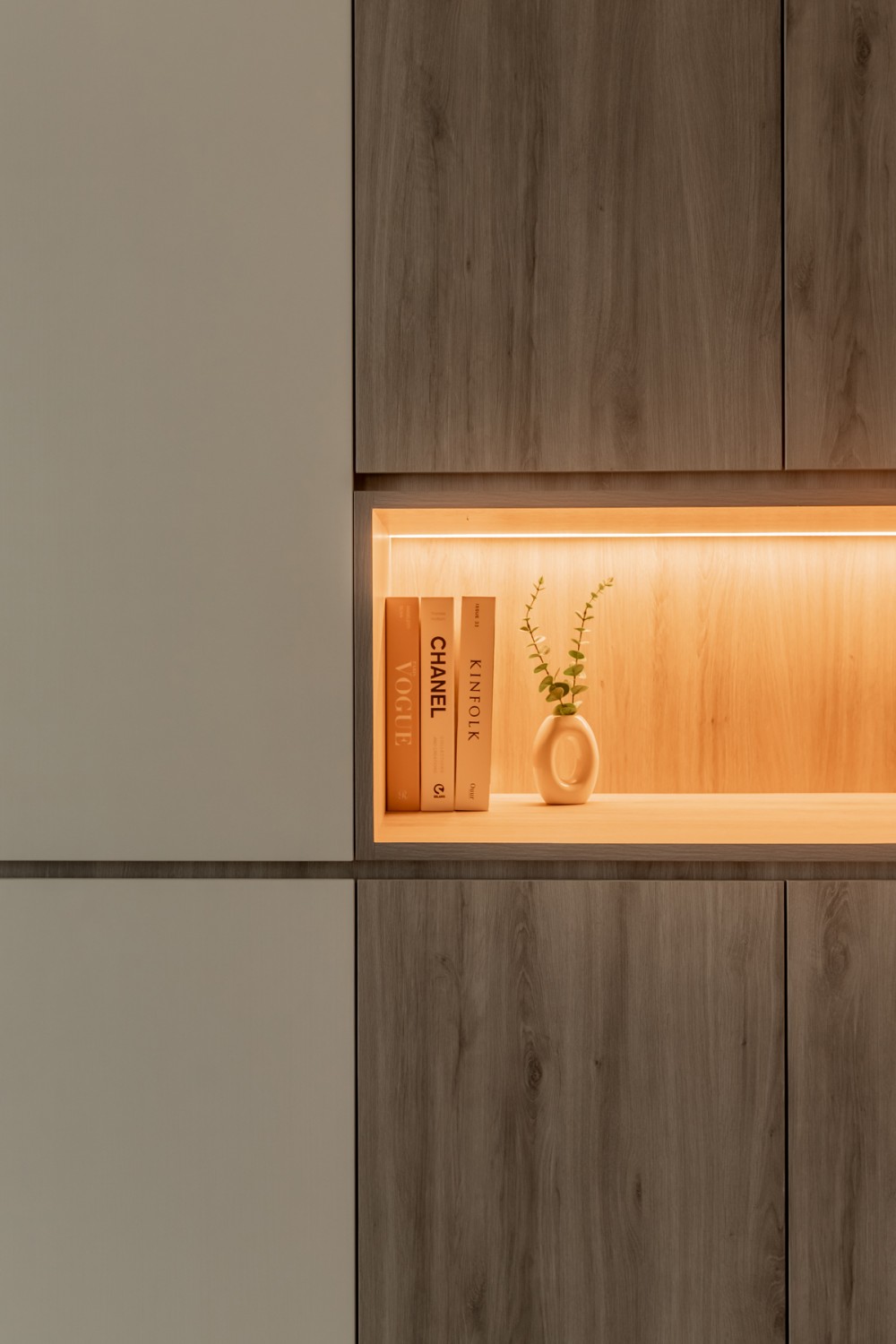
Mirage Tower ($150,000) by U-Home Interior Design Pte Ltd
They offer ample storage for everything from books to electronics, and their sleek design makes them both functional and visually appealing.
Multi-Purpose Furniture
When space is limited, furniture that serves more than one purpose is a game-changer. Pieces like ottomans with hidden storage, coffee tables with drawers, or benches with built-in compartments give you additional space to store items without compromising on style. These versatile pieces are perfect for rooms where every inch counts—offering a convenient place to stash away blankets, magazines, or other everyday items.
Baskets and Trays
For smaller items that are difficult to organize, baskets and trays are an easy yet stylish solution. These can be used in living rooms, kitchens, and even bathrooms to corral everything from remote controls to toiletries.
Opt for woven or decorative baskets that add texture and warmth to your space, or use sleek trays to keep clutter from accumulating on countertops or tables. The key is to keep these containers tidy and consistently used, so they don’t become another source of clutter.
Drawer Organizers
For rooms like the kitchen or office, drawer organizers can make a huge difference in preventing clutter from piling up. Dividers, inserts, and small containers can keep everything from kitchen utensils to office supplies neatly separated and easy to find. This is especially useful for deep drawers that can easily turn into black holes for clutter without proper organization.
BONUS: A Step-by-Step Guide on Tackling Clutter
Decluttering your home can feel like an overwhelming task, but breaking it down into manageable steps makes it easier. Here’s a simple guide to help you identify where clutter tends to build up in your home and create targeted solutions for each area.
Step 1: Survey Your Home for Clutter Hotspots
Start by walking through your home and taking note of areas where clutter tends to pile up. These “hotspots” are the areas that need your attention first. Common examples include:
- Entryway: Keys, lip balms, mail, cards, and random items often accumulate near the door. If you find these things scattered all over, you likely need a solution for this high-traffic area.
- Kitchen Counters: From unused kitchen gadgets to grocery receipts, countertops can easily become catch-all spaces. If you find yourself constantly shifting things around just to make room for cooking, it’s time to reassess how these items are stored.
- Living Room: Remote controls, pillows, and scattered toys can accumulate in the living area, often creating visual clutter. A lack of a designated place for these items means they end up everywhere.
- Home Office: Piles of papers, office supplies, and miscellaneous items like pens and notebooks can quickly overtake a desk. When your workspace is cluttered, it can also affect your productivity and focus.
- Bedroom: Clothing, accessories, and personal items tend to clutter up nightstands, dressers, and closets. If your wardrobe isn’t organized, it can feel like the clutter is taking over the whole room.
Define the Problem Areas and Plan Storage Solutions
Once you’ve identified where clutter piles up, consider the specific types of items that are causing the mess. Ask yourself: Why is clutter accumulating here? It could be due to a lack of storage or just an overflow of unnecessary things. By defining the cause of clutter, you can better understand the solution you need. For example:
- Entryway: The mess may be caused by not having a designated spot to place keys, bags, or mail. Adding hooks for bags and keys, a tray for mail, or even a small cabinet for shoes can immediately help solve the problem.
- Kitchen: Perhaps your counter is filled with unused appliances or ingredients that don’t have a place in the cabinets. Try using drawer organizers, clear storage containers, or an island with hidden storage to reduce visible clutter.
- Living Room: If blankets are scattered around or remote controls are piling up, consider getting a multi-purpose ottoman or storage coffee table that doubles as a space to store these items. Alternatively, use a stylish tray or basket to neatly store smaller items.
- Home Office: If papers are taking over your desk, start by sorting them into categories (important, to-do, or recycling). Invest in filing systems or drawer organizers to keep everything in its place. A clean desk encourages a productive mindset.
- Bedroom: If clothes are scattered around or shoved into overstuffed drawers, consider investing in closet organizers, drawer dividers, or hooks on the back of doors for accessories.
Take Action and Tidy Up
Now that you have your solutions, it’s time to put them into action. Start by decluttering each hotspot. Don’t try to tackle everything at once—focus on one area at a time. Gather up the items you don’t need, and decide whether to donate, sell, or toss them. Once the space is clear, arrange your new storage solutions, ensuring everything has a designated spot.
The End Result: A Home That Feels as Good as It Looks
A clutter-free home isn’t just visually appealing—it’s more functional, peaceful, and enjoyable to live in. By letting go of unnecessary items and adopting mindful organization habits, you create a space that truly supports your lifestyle while allowing your interior design to shine.
Are you ready to declutter and organize your space more effectively? For more inspiration, check out storage cabinet ideas on Hometrust.
Want to check out home renovation projects for more inspiration? Browse interior design ideas on Hometrust, or click the button below to get connected with expert designers!
Renovating soon? Let Hometrust recommend the best interior designers.
If you are reading this, you are probably wondering how you can create your dream home.
Here’s the thing, everyone’s needs and requirements for their home renovation is different. A designer that may work for someone else, may not quite work for you.
At Hometrust, we’re here to help match top rated designers, recommended by past homeowners to you through our data-driven and matching algorithm.
Whether you are looking for partial renovation or a full fledge overhaul, we’ll be able to recommend you top designers to match your renovation requirements and lifestyle.
Recommendations and free and you can simply start by helping us understand your needs below!
Get RecommendationsRenovate safe!
The Hometrust Team