Work-from-Home, Reimagined: Create a Space That Works for You
Work-from-home was once a rare perk, something reserved for freelancers, startups, or the occasional flexible Friday. Today, it’s become the default (at least for part of the week) for a significant portion of Singapore’s workforce. But as the novelty has worn off, many are discovering that remote work is not as simple as setting up a laptop on the dining table and calling it a day.
In Singapore, where most people live in compact apartments, space is a constant negotiation. But it’s not just physical limitations that make WFH challenging. The blurring of boundaries between work and life, the decrease in daily movement, and the psychological weight of being “always on” all take a toll.
If you’ve ever closed your work laptop only to realise you never really “left” the office, or found yourself hunched over for hours in the same spot without moving, you’re not alone. It’s time to rethink the home office—not just in terms of space, but in a way that supports your mental clarity, physical health, and work-life balance.
The Invisible Stress of WFH: More Than Just a Desk Problem
Working from home may seem comfortable on the surface, but many people quickly find themselves dealing with subtle, chronic stressors that build up over time. These are often harder to fix than a wobbly chair or poor Wi-Fi.
No Separation Between Work and Life
In most Singaporean flats, space is at a premium. With no spare room to convert into a home office, many people end up working from their dining table, bedroom, or even perched at the kitchen counter. While these makeshift setups are practical, they come with hidden costs, including the loss of boundaries between work and personal life.
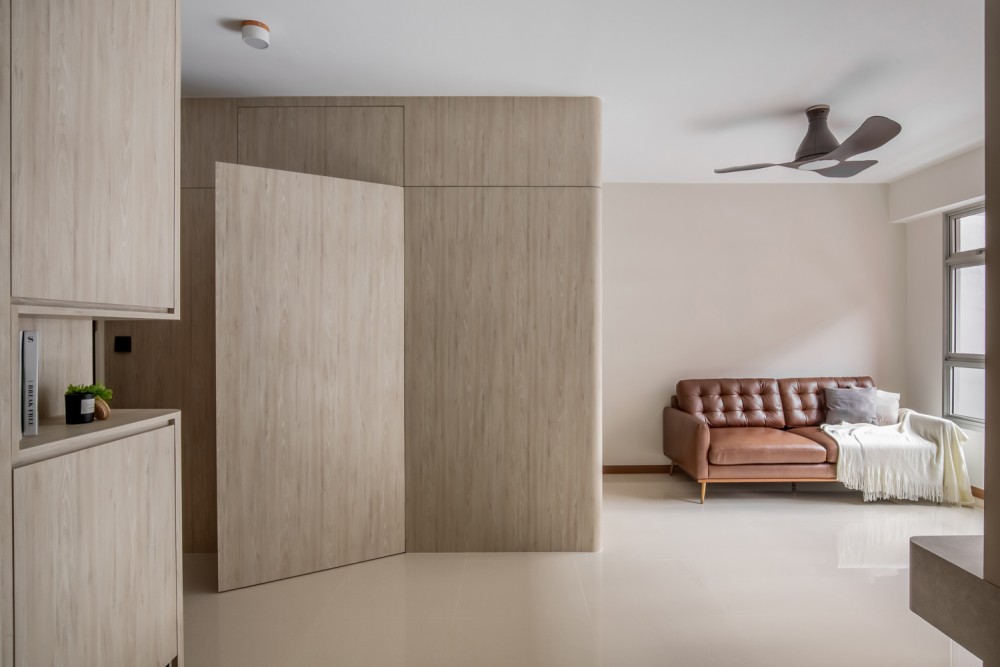
Parc Central Residences 3 Bedroom ($30,000) by Noble Interior Design
When the same space serves as both your “office” and your place to rest or eat, your brain has a harder time distinguishing between modes. You might wake up and immediately check emails from bed, or find yourself wrapping up a report while your dinner sits half-eaten next to your laptop. Over time, this can lead to a constant low-level stress response, as your mind never gets the chance to fully switch off.
This blurring of lines can manifest in different ways: trouble falling asleep, difficulty relaxing even after work hours, and a creeping sense that you’re always on. Without a commute or change of scenery to signal the start and end of the workday, many people find themselves working longer hours without intending to. It’s not uncommon to feel burnt out or disconnected from your own home, even though you’ve barely left it.
A Sedentary Lifestyle by Default
You might not miss squeezing into the MRT during peak hour, but commuting provided something valuable: built-in movement. Walking to the MRT station, switching lines, grabbing lunch from a hawker centre—these activities, while mundane, helped break up long periods of sitting and gave our bodies essential movement throughout the day.
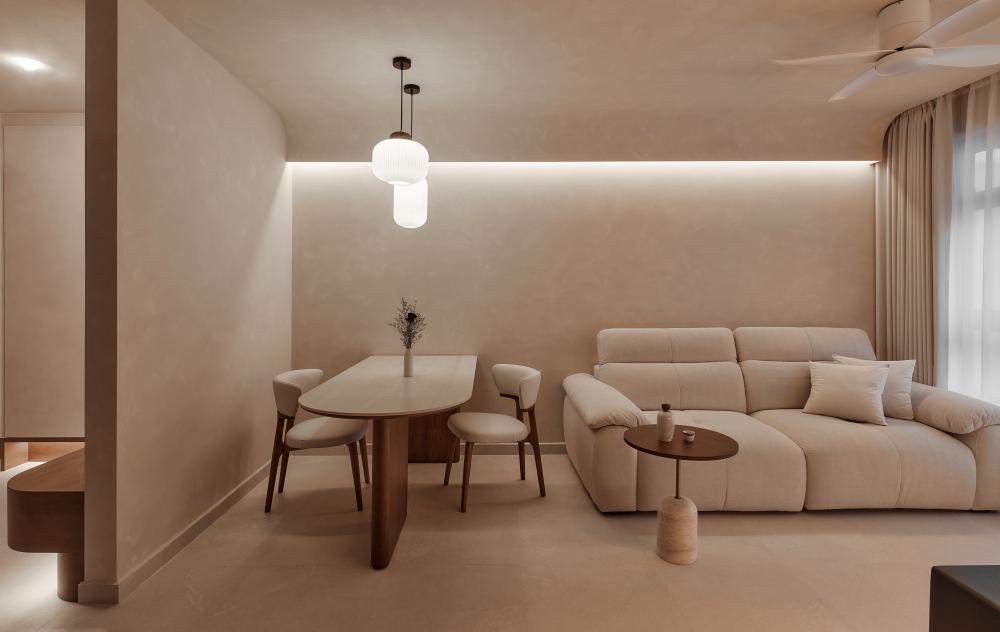
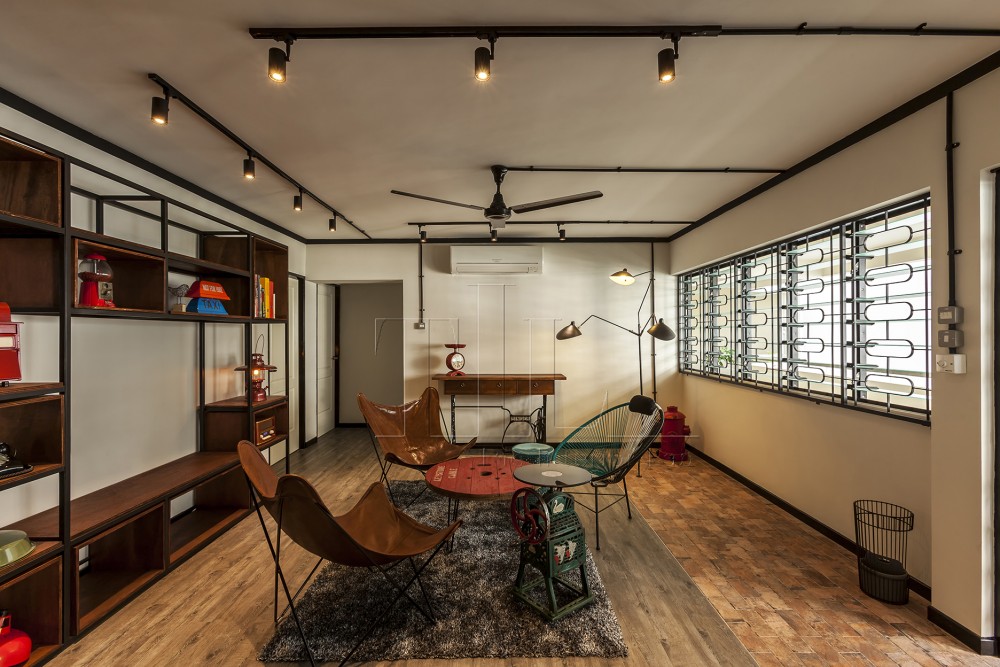
Canberra Vista ($117,800) by Starry Homestead Pte Ltd
Without them, many WFH routines default to stillness. You might roll out of bed, sit at your desk all day, then move to the sofa after dinner. Hours can pass without realising you’ve barely stood up. This kind of sedentary pattern can quietly wreak havoc on your body: from stiff necks and aching backs to poor posture and reduced circulation. Over time, it can even affect your digestion, mood, and immune system.
On top of the physical effects, constant sitting also impacts your energy levels and mental sharpness. Movement isn’t just good for the body—it stimulates the brain. Small bursts of activity throughout the day help reset your focus, improve your ability to concentrate, and reduce that sluggish, foggy-headed feeling that creeps in by mid-afternoon.
The key is to make movement intentional. Even without a lot of space, you can build physical activity into your environment: place your water bottle or printer in a different room, do a few stretches between meetings, or stand while taking calls. These micro-adjustments might seem minor, but over time, they can add up to a big difference.
The Emotional Toll: Isolation, Distraction, and Fatigue
WFH sounds like a dream—until reality sets in. For some, it means constant distractions. If you live with young children, elderly parents, or housemates on different work schedules, staying focused can feel like a battle. Background noise, overlapping Zoom calls, or simply someone walking through your “office” space can disrupt your workflow, drain your patience, and lead to frequent context-switching that makes tasks take longer than they should.
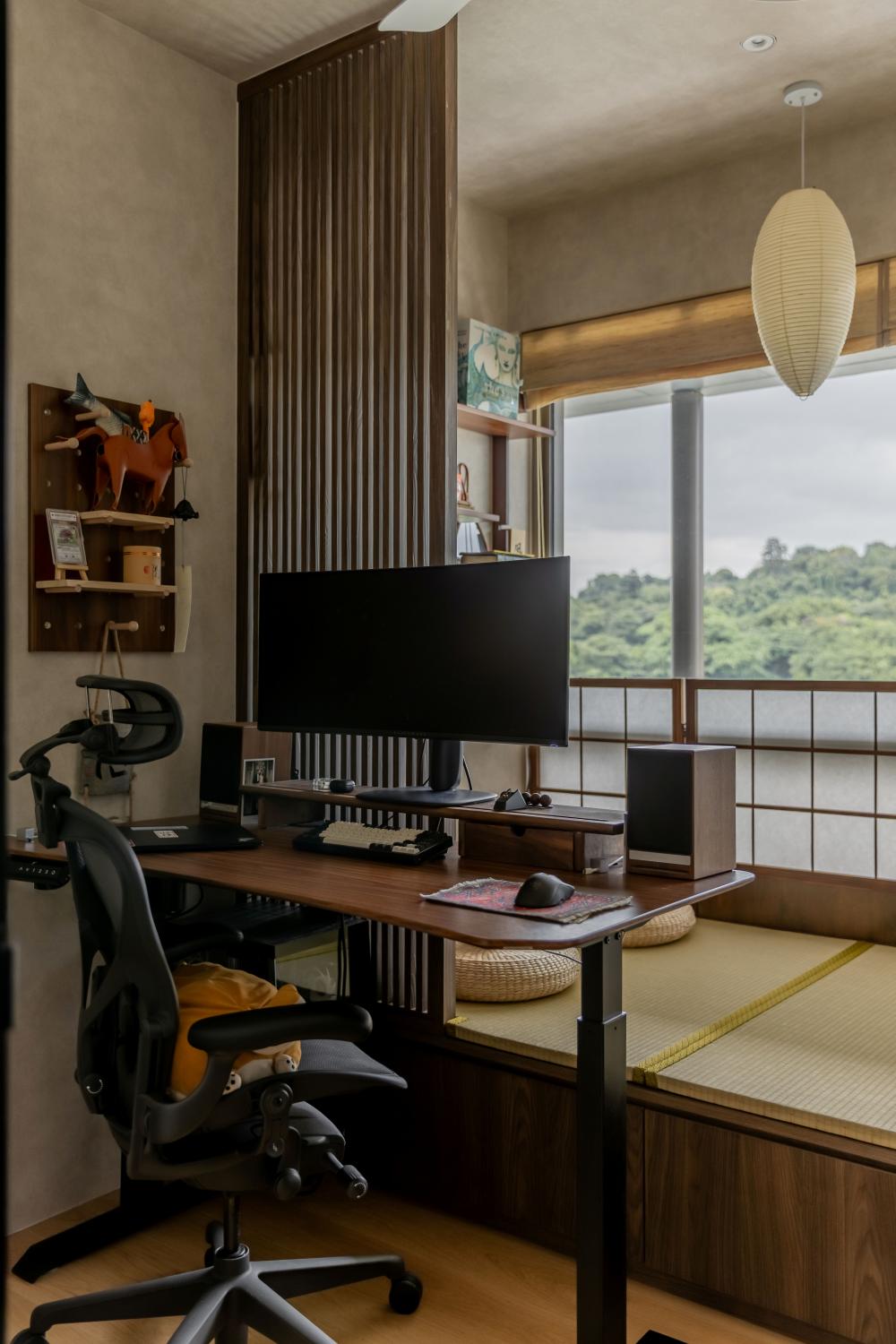
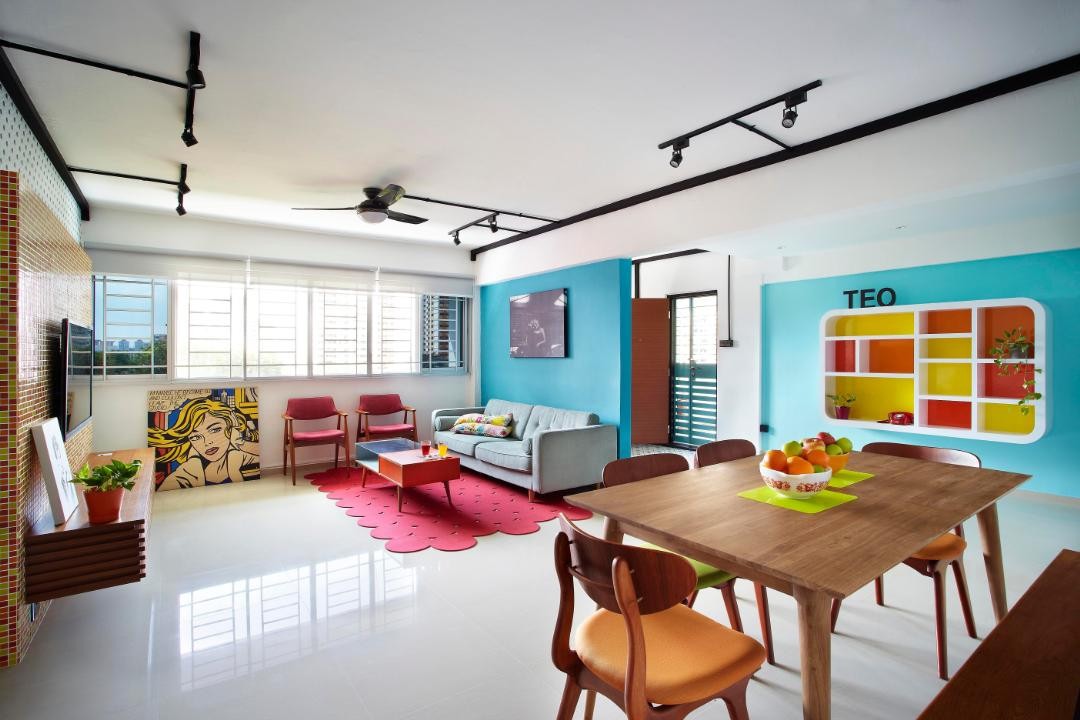
The Reef at King’s Dock ($36,000) by MET Interior
On the other hand, for those living alone, the problem may be isolation. Without casual interactions—like chatting with a colleague at the pantry or sharing a laugh during lunch breaks—many people experience a creeping sense of loneliness. Social isolation, even if subtle, can lead to lower motivation, feelings of disconnection, and reduced emotional resilience. You might find yourself overthinking things, getting easily irritated, or feeling inexplicably low.
Whether it’s overstimulation or under-stimulation, the outcome is the same: mental fatigue. And unlike physical tiredness, it’s harder to spot and harder to shake. You may feel like you’re putting in the hours but not getting as much done, or like your attention span has shrunk drastically.
Designing the Ideal WFH Setup (If You Have the Space)
If you have a spare room to convert into a home office, you’re in a great position to create a space that truly supports your productivity, health, and mental clarity. But even with a dedicated room, thoughtful design still matters. A home office shouldn’t just be functional—it should be a place you actually enjoy spending time in.
Position Your Desk Near Natural Light
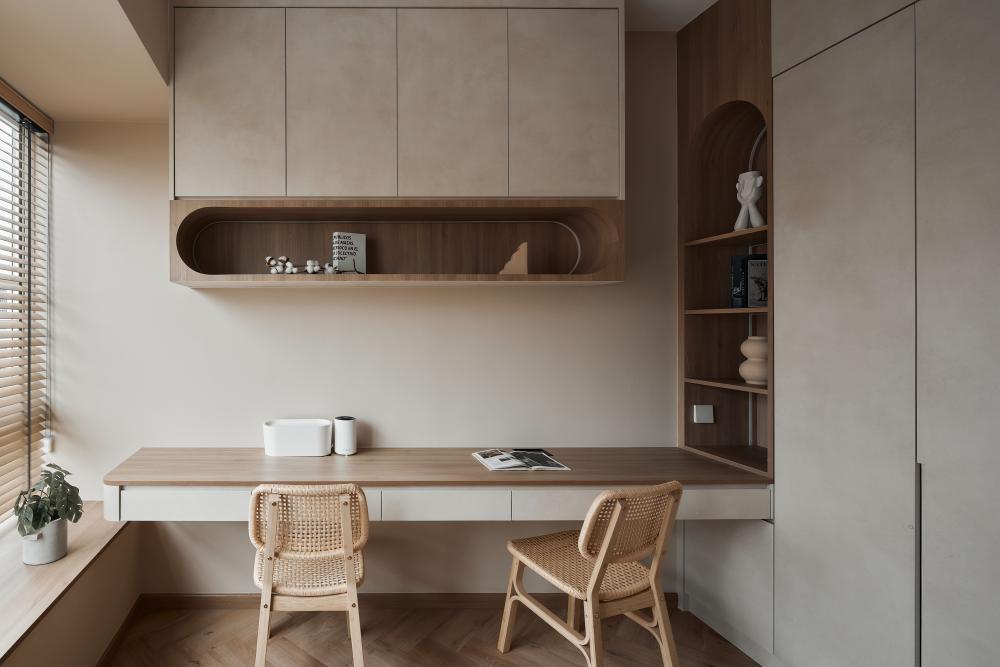
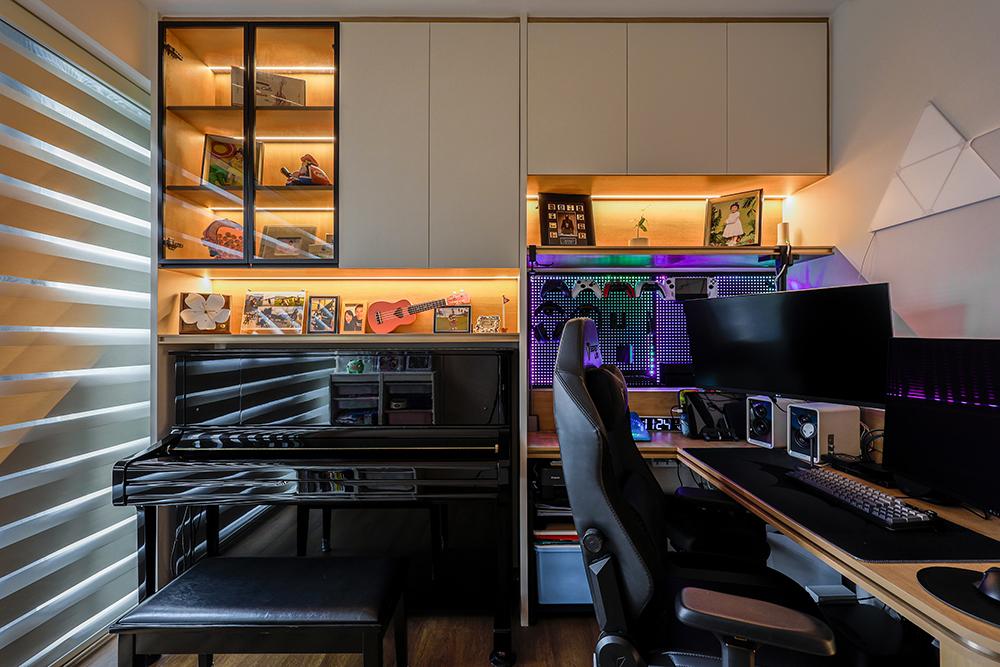
6 Bishan Street ($120,000) by Ecasa Studio
A window-facing desk does more than offer a nice view. Exposure to natural light during the day supports better concentration, reduces eye fatigue, and improves your mood. Use sheer curtains or blinds to soften glare while still letting in light.
Invest in an Ergonomic Chair and a Proper Desk
Don’t underestimate the value of a supportive, adjustable chair—your back will thank you after long hours of sitting. Pair it with a sturdy desk that has enough surface area for your daily essentials, whether that’s dual monitors, paperwork, or design tools.
Keep Clutter at Bay with Smart Storage
Use a mix of storage options to stay organised. Closed cabinets or drawers help you hide clutter, while open shelves or vertical organisers keep important items within reach. Tidy cable management systems also make a big difference in keeping your workspace neat.
Use Lighting to Set the Right Mood
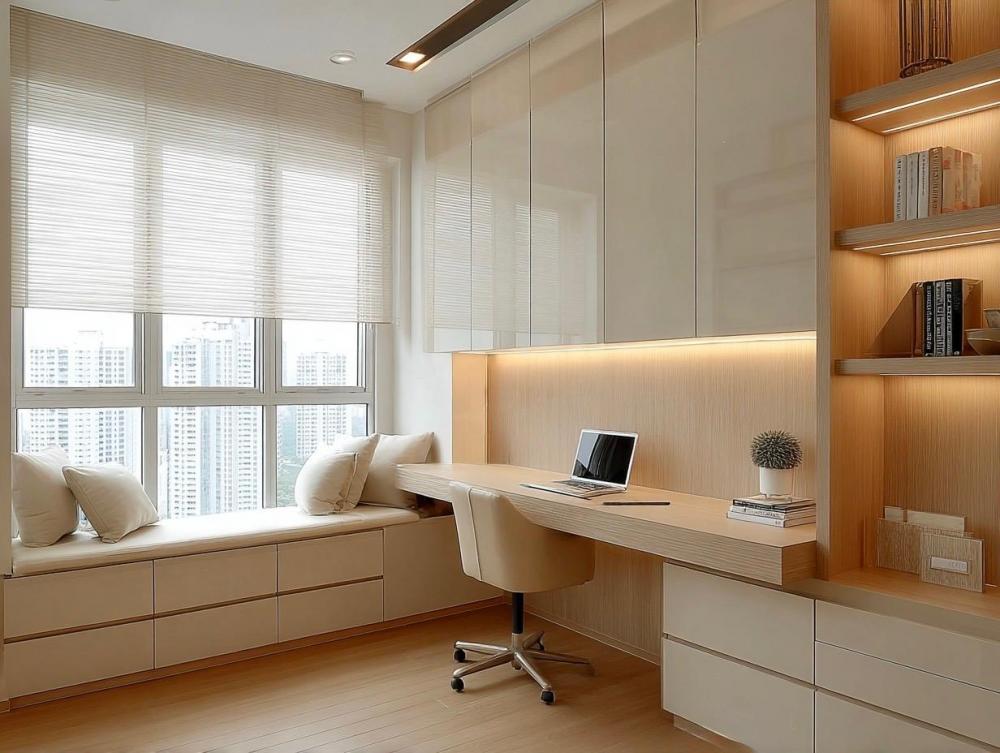
Tampines ($80,000) by Project J Studio
Install bright, cool-toned lighting to enhance alertness during the day. For after-hours work, or when you want to switch into a calmer headspace, layer in a warmer desk lamp. Adjustable lighting gives you control over your work environment depending on your needs.
Use the Room Exclusively for Work
Try not to turn your home office into a multi-purpose room. Avoid using it for binge-watching, gaming, or even casual scrolling. Keeping it solely for work trains your brain to enter “focus mode” the moment you walk in.
Making It Work Without a Spare Room
No spare room? No problem. Many Singaporeans are in the same boat—and there are still plenty of ways to make your WFH setup work well in a shared or multi-functional space.
Create a Dedicated Work Zone
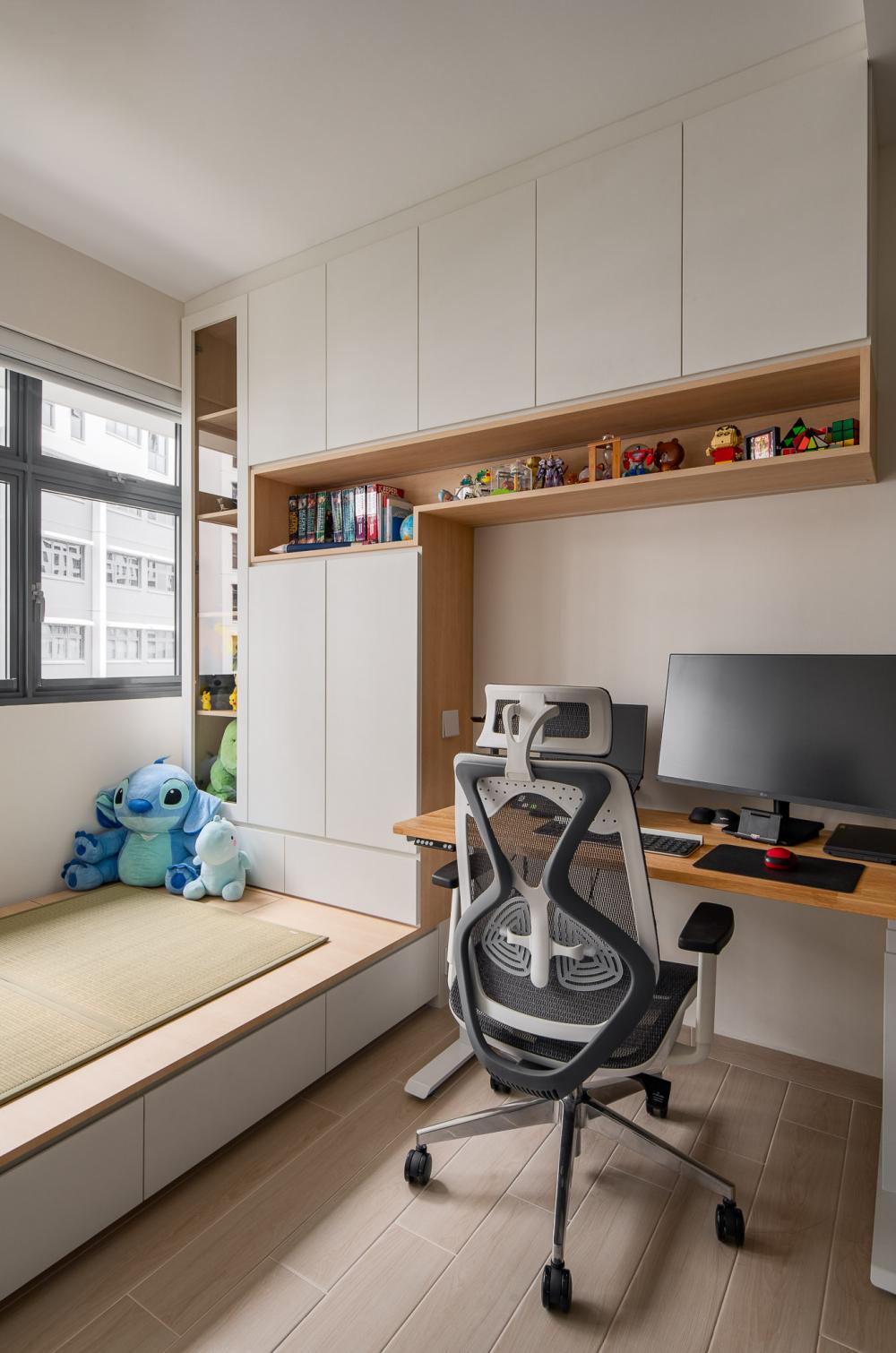
Blk 171B SengKang East Drive ($95,430) by Project L Studio
It could be a corner of your bedroom, a nook near the window, or a section of your dining table. The important thing is consistency. Work from the same spot every day to help your brain form a strong association with productivity.
Choose Flexible, Compact Furniture
Look for pieces that can serve multiple purposes or be packed away easily. A fold-out desk or wall-mounted table saves floor space, while a portable storage caddy or basket keeps your work tools contained and easy to store after hours.
Use Visual Cues to Define Boundaries
Even without walls, you can create separation using a small rug, a standing lamp, or different wall art in your workspace. Lighting is especially effective—use a brighter light when working, and turn it off when you’re done to mark the end of your day.
Pack Your Work Away When You’re Done
Store your laptop, notebook, and other supplies in a drawer, box, or bag when the workday ends. This helps you mentally “clock out” and keeps your living space from feeling like it’s been taken over by work.
Create an End-of-Day Ritual
Without a commute, you need a new way to signal that your workday is over. Try a simple routine—changing into home clothes, playing relaxing music, or stepping out for a walk—to create closure between work and personal time.
Final Thoughts: Your WFH Space Should Serve You
The biggest mistake people make with their home workspace is trying to copy an office setup. But you’re not in an office—you’re at home. And your needs go beyond just productivity. You need space to move, to breathe, to disconnect. You need a corner of your life that supports you.
The good news? You don’t need a big house or a complete overhaul to get there. By thinking intentionally about how you use space, move your body, and protect your mental boundaries, you can turn even the smallest flat into a space that works with you.
Want to check out home renovation projects for more inspiration? Browse interior design ideas on Hometrust, or click the button below to get connected with expert designers!
Renovating soon? Let Hometrust recommend the best interior designers.
If you are reading this, you are probably wondering how you can create your dream home.
Here’s the thing, everyone’s needs and requirements for their home renovation is different. A designer that may work for someone else, may not quite work for you.
At Hometrust, we’re here to help match top rated designers, recommended by past homeowners to you through our data-driven and matching algorithm.
Whether you are looking for partial renovation or a full fledge overhaul, we’ll be able to recommend you top designers to match your renovation requirements and lifestyle.
Recommendations and free and you can simply start by helping us understand your needs below!
Get RecommendationsRenovate safe!
The Hometrust Team