Smart Home Features Singapore Homeowners Actually Use (And Which Ones Aren’t Worth the Money)
Whether you’re collecting ideas before renovating your BTO, refreshing a resale flat after meeting your MOP, or fitting out a new condo, chances are you’ve considered adding a few smart home features.
The good news is that many of these devices really do make everyday life easier. The not so good news is that some look far more useful than they actually are. Once the novelty wears off, it’s not uncommon for certain gadgets to sit unused while others become things you rely on every single day.
If you’re deciding where to spend your renovation budget, this guide looks at the smart home features Singapore homeowners tend to use the most, along with a few that may not be worth the extra money.
What Makes a Smart Home Feature Worth Paying For?
It is easy to get caught up in flashy demonstrations or impressive product specifications. But the best smart home features are rarely the most complicated. They are the ones that make everyday routines smoother without asking you to change how you live.
It saves you time every day
The biggest benefit of a smart home is convenience. If a feature saves you a few minutes every morning, helps you avoid repetitive tasks, or lets you do something with less effort, you’ll probably keep using it.
That is why products like robot vacuums and digital locks remain popular long after the excitement of moving in has faded. They solve problems that homeowners deal with every day instead of occasionally.
It works without adding extra effort
Some smart devices promise convenience but end up creating more work. If you constantly need to troubleshoot connections, recharge batteries, or open an app just to switch on a light, the technology starts feeling like an inconvenience.
The most useful smart home features blend into your routine. They work reliably, require very little maintenance, and are just as easy for other family members to use.
It suits the way Singaporeans live
Homes in Singapore are designed differently from those in many other countries. Space is limited, many households spend long hours away from home during the day, and air conditioning is used much more often because of the tropical climate.
Many homeowners also share their homes with children, elderly parents, or domestic helpers. Smart home features that improve security, simplify cleaning, or make daily routines easier often provide much more value than features designed mainly to impress visitors.
Smart Home Features You’ll Probably Use Every Day
Not every smart device deserves a place in your renovation budget. These are the upgrades that many homeowners continue using months and even years after moving in because they genuinely make everyday life more convenient.
Smart digital locks
Digital locks have quickly become one of the most practical upgrades for both HDB flats and condos.
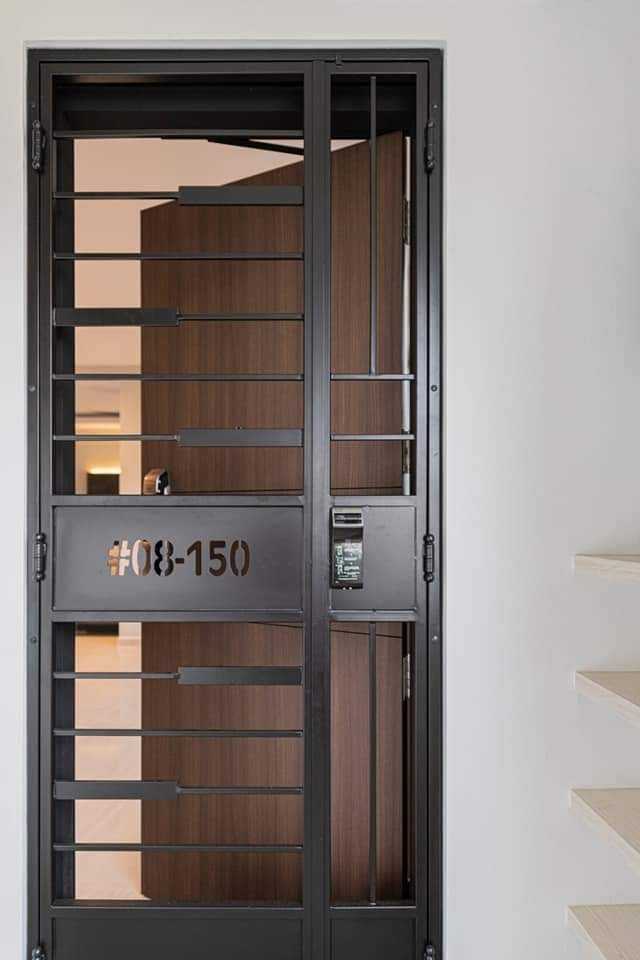
Simei resales ($55,000) by M+L Associates
Instead of worrying about keys, you can unlock your door using a fingerprint, PIN code, mobile app, or access card, depending on the model. This becomes especially useful when family members arrive home at different times, cleaners need temporary access, or you’re receiving deliveries while you’re away.
For households with children or elderly parents, it also removes the worry of misplaced keys or getting locked out.
Robot vacuum and mop
Few smart home purchases receive as much praise from homeowners as a robot vacuum.
Singapore homes collect dust surprisingly quickly because windows are often left open for ventilation and many households walk around barefoot. Running a robot vacuum every day helps keep floors noticeably cleaner with very little effort.
Many newer models can vacuum and mop on a schedule, automatically return to their charging station, and avoid furniture with minimal supervision. While they won’t completely replace deep cleaning, they can significantly reduce how often you need to vacuum manually.
Smart lighting
Smart lighting is another feature that tends to become part of daily life.
Instead of controlling each light individually, you can create different scenes for different parts of the day. A single tap can switch your living room into movie mode, brighten your home office during work hours, or dim your bedroom lights before bedtime.
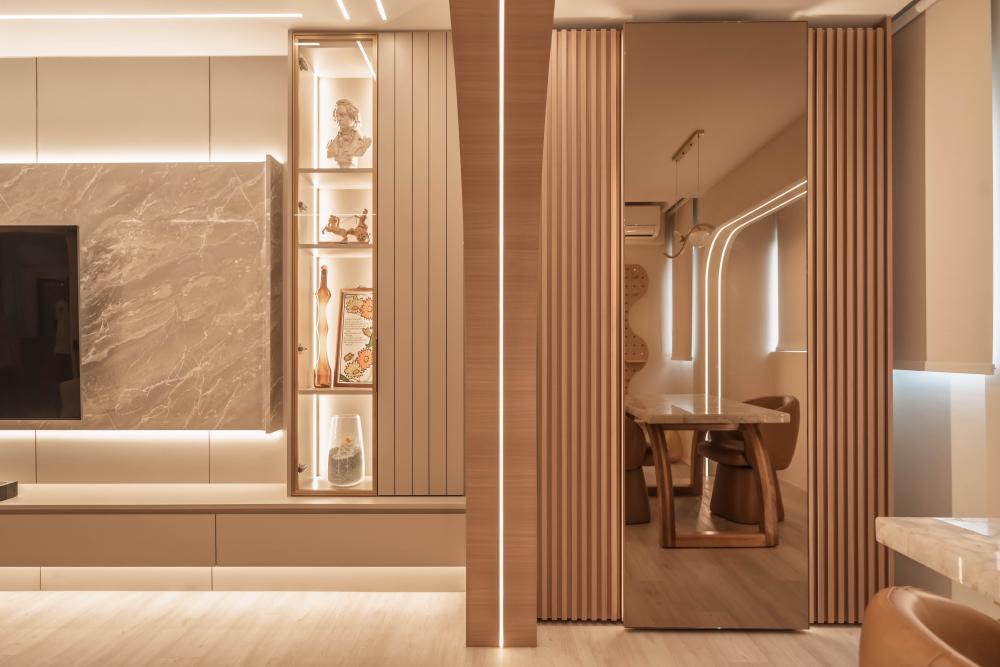
Tampines Ave 5 ($224,800) by Design 4 Space
Scheduling lights to turn on before you arrive home can also make your home feel more welcoming, especially if you often return after dark.
Smart air conditioner control
Air conditioning accounts for a significant portion of household electricity use in Singapore, so smarter control can make a noticeable difference.
Smart controllers allow you to switch on the air conditioner before arriving home, schedule operating hours, or turn it off remotely if someone forgets.
While the electricity savings depend on your usage habits, having better control over cooling schedules often leads to more efficient use without sacrificing comfort.
Smart security cameras and video doorbells
Security cameras are no longer just for landed homes. Many HDB and condo owners install indoor cameras to check on pets, elderly parents, or young children while they’re away.
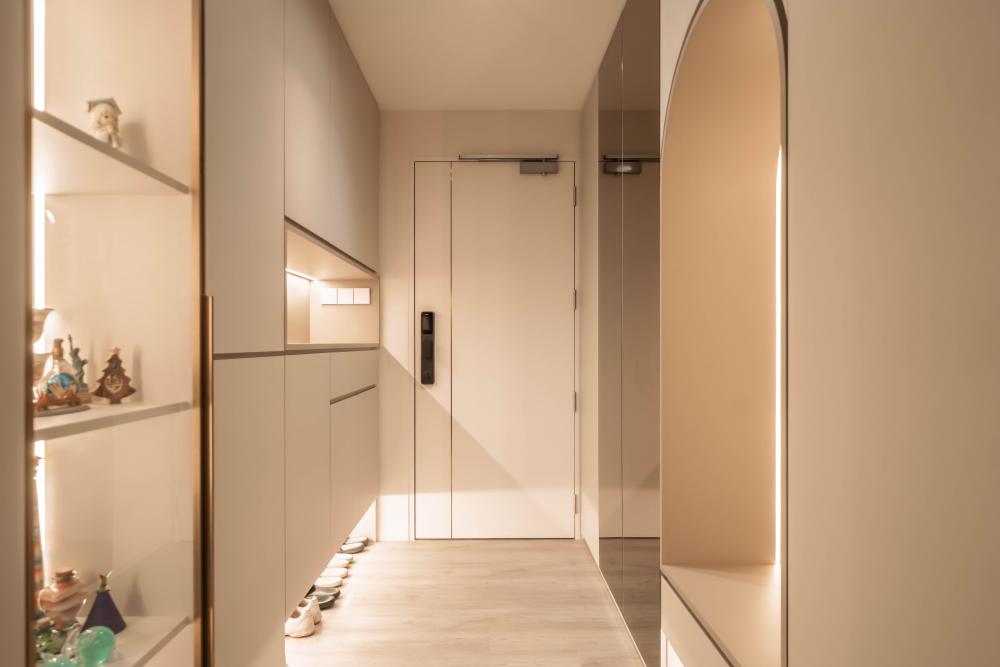
Tampines Ave 5 ($224,800) by Design 4 Space
Video doorbells can also be useful if you receive frequent deliveries. Instead of wondering who rang the bell, you can see who’s outside and speak to them through your phone if necessary.
For homeowners who travel regularly, these devices provide extra peace of mind without requiring a complex security system.
Smart Home Features That Sound Impressive But Often Go Unused
Not every smart home upgrade delivers the same long term value. Some features look exciting during showroom demonstrations but end up being used far less than expected.
That doesn’t mean they’re bad purchases. It simply means they may not be the best use of your renovation budget unless they solve a specific need.
Fully automated blinds in every room
Motorised blinds certainly feel luxurious. Opening every curtain with a single button is satisfying, especially in larger homes.
However, many HDB flats and condos have relatively compact layouts where manually opening the blinds takes only a few seconds. Installing motorised blinds throughout the entire home can add a significant amount to your renovation cost without changing your daily routine very much.
If you like the idea, consider limiting them to harder to reach windows or bedrooms where scheduled opening can help you wake up naturally.
Smart refrigerators and kitchen appliances
Some refrigerators now come with touchscreens, internal cameras, shopping lists, and internet connectivity.
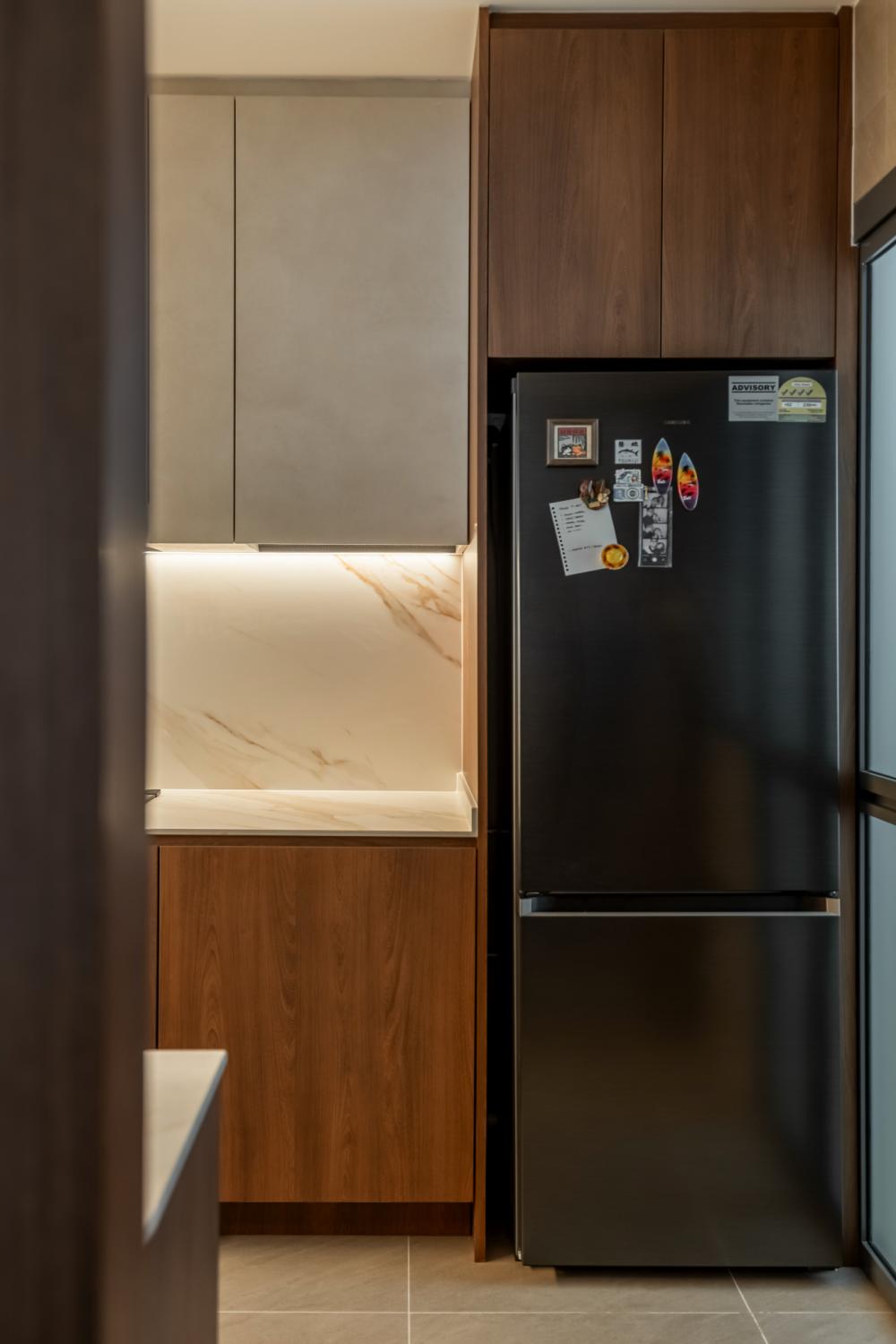
589C Pasir Ris Drive 3 ($65,000) by MET Interior
These features often sound useful, but many homeowners eventually go back to using their phones for shopping lists and meal planning. The extra technology rarely changes how the refrigerator performs as an appliance.
The same applies to many connected kitchen gadgets. Unless you cook frequently and know you’ll benefit from remote controls or automation, the premium price may not be worthwhile.
Voice control for everything
Voice assistants can be genuinely useful for simple tasks like setting timers, checking the weather, or playing music.
However, many homeowners discover that voice control isn’t always the fastest option. Pressing a light switch or opening an app often feels quicker than giving a voice command, especially in busy households where multiple people are talking.
Voice control works best as a bonus feature rather than the main way you interact with your home.
Expensive all in one smart home systems
Some renovation packages include professionally installed smart home ecosystems that control lighting, air conditioning, curtains, audio systems, and security from a single platform.
These systems can work well, but they also come with higher installation costs and may lock you into one manufacturer’s ecosystem. Upgrading or replacing individual components later can become more complicated.
For many homeowners, starting with a few standalone devices that work together is a more flexible approach. You can always expand your smart home over time as your needs change.
How to Build a Smart Home Without Overspending
A smart home doesn’t have to be filled with expensive technology. In fact, many homeowners are happiest with a handful of carefully chosen upgrades rather than dozens of connected devices.
If you’re planning a renovation, it helps to think beyond individual products and focus on how you’ll actually live in the space.
Start with your biggest daily frustrations
Think about the small inconveniences you deal with most often.
Do you constantly forget your keys? Does vacuuming feel like a chore? Do you wish your bedroom was cool before you got home from work?
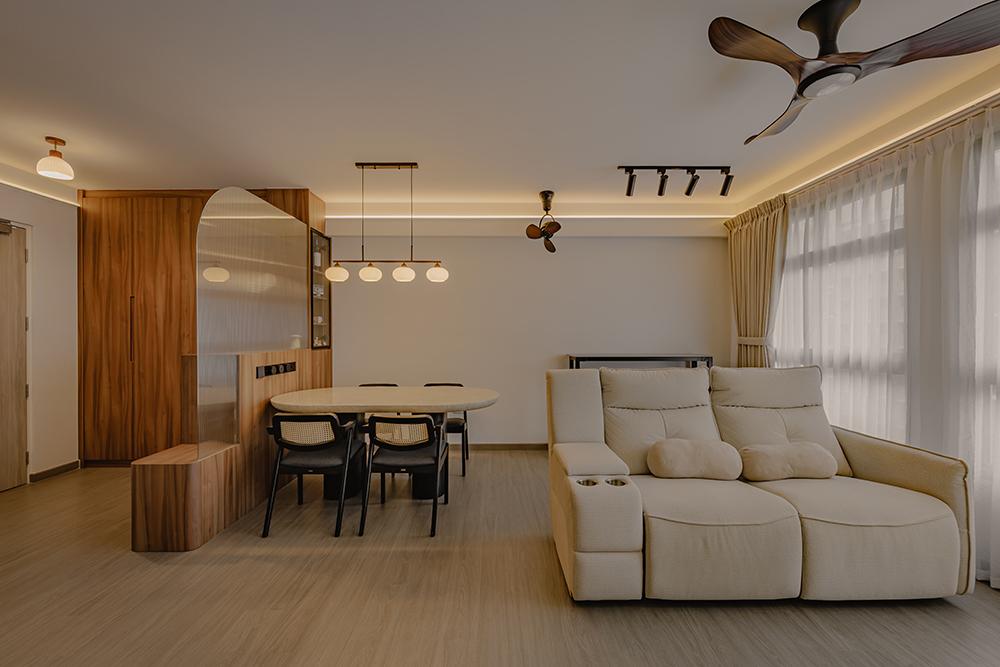
Yishun Broadwalk ($32,000) by Noble Interior Design
The answers will usually point you towards the smart features you’ll appreciate the most.
Choose products that work together
You don’t need every device to come from the same brand, but it helps if they support common smart home platforms. This gives you more flexibility when adding new products later instead of being tied to a single ecosystem.
It also means you can upgrade individual devices over time without replacing everything at once.
Plan ahead during your renovation
Even if you’re not ready to install every smart feature immediately, it makes sense to prepare your home while renovation works are taking place.
For example, you can ask your interior designer or electrician to plan electrical points carefully, provide neutral wiring for compatible smart switches if needed, or make space for future networking equipment. These changes are much easier to make before walls and ceilings are finished.
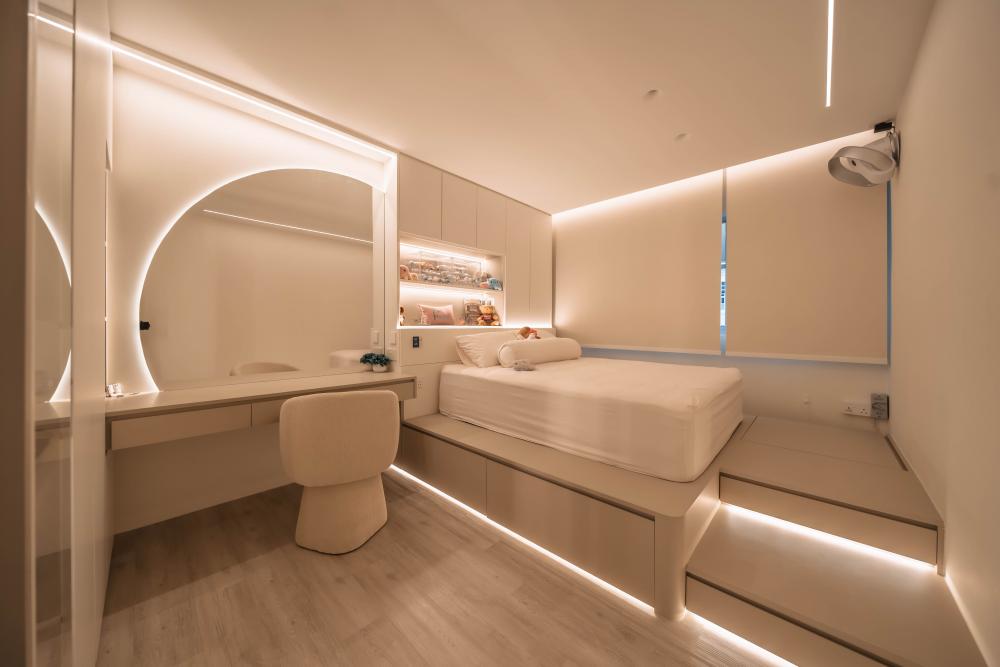
Tampines Ave 5 ($224,800) by Design 4 Space
If you’re renovating an HDB flat, remember that certain electrical works and hacking works may require approval or need to follow HDB renovation guidelines. Planning early helps avoid unnecessary rework later.
Spend more on the basics first
Smart gadgets should never come at the expense of a good renovation.
A practical layout, sufficient storage, well planned lighting, quality electrical work, and durable materials will improve your home every day regardless of how much technology you install.
Once those essentials are in place, you’ll have a much better idea of which smart features will genuinely improve your lifestyle.
Final Thoughts on What Smart Home Features To Prioritise
The smartest homes aren’t necessarily the ones with the most technology. They are the ones where technology quietly makes everyday life easier without demanding constant attention.
For most Singapore homeowners, a digital lock, robot vacuum, smart lighting, and better air conditioner control will probably deliver far more value than a home packed with expensive gadgets you’ll rarely use.
Before adding another device to your renovation wishlist, ask yourself one simple question. Will this make life easier every week, or is it something I’ll stop using after the first month? The answer will usually tell you whether it’s worth the investment.
Want to check out home renovation projects for more inspiration? Browse interior design ideas on Hometrust, or click the button below to get connected with expert designers!
Renovating soon? Speak to top rated interior designers.
Discuss your home renovation ideas and plans with top rated firms, recommended by past homeowners. Let us help you shortlist the most suitable interior designers for your project.