The Ultimate Guide to Using Global Design Trends to Inspire Your Home (Part 2)
In Part 1 of this guide, we explored how global design trends—from Scandinavian minimalism to Turkish opulence—can transform your home into a space that reflects your travels and personal style.
Now, let’s continue our journey around the world, diving into the vibrant aesthetics of Bali, the timeless elegance of Chinese design, the relaxed vibes of Australian Coastal & Bushland, the cozy charm of Alpine Chalet, the rich cultural heritage of India, and the bold fusion of African Design.
These styles offer endless inspiration for creating a home that feels both unique and deeply personal.
1. Balinese Tropical Paradise (Bali, Indonesia)
Bali is synonymous with tropical luxury, where nature and design blend seamlessly to create serene, inviting spaces. Balinese interiors embrace an effortless harmony between indoor and outdoor living, incorporating lush greenery, organic textures, and open, airy layouts that encourage relaxation.
Earthy tones, handcrafted wooden furniture, and intricate carvings reflect the island’s rich artisanal traditions, while flowing fabrics and soft lighting add a sense of warmth and tranquility. This style is perfect for Singaporeans looking to transform their homes into peaceful sanctuaries, providing an escape from the fast-paced urban environment.
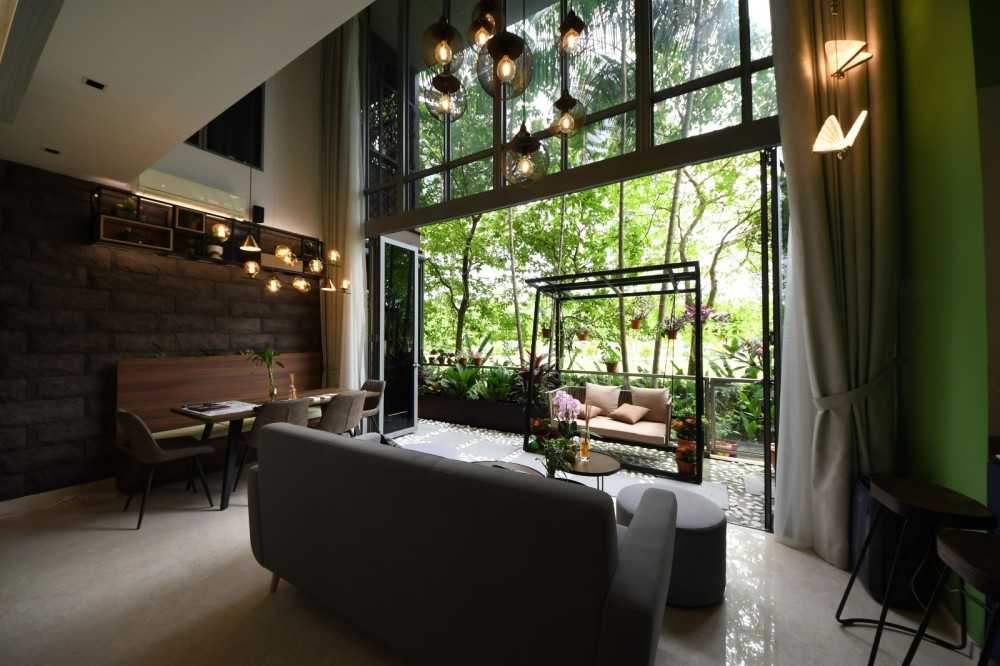
Tropical Resort Design ($195,000) by Vivre Creative Design Pte Ltd
Inspired by Bali’s breathtaking landscapes and deep-rooted cultural heritage, a Balinese-inspired home evokes the feeling of a luxury resort, where every element—whether a stone water feature, woven rattan accents, or floor-to-ceiling glass doors—enhances the connection to nature.
Key Characteristics of Balinese Design:
- Natural Materials: Teak wood, bamboo, rattan, and stone are staples in Balinese interiors. These materials create a warm, earthy atmosphere that feels grounded and organic, while also being sustainable and environmentally friendly.
- Open Layouts: Balinese homes often feature open-plan designs with large windows and sliding doors to let in natural light and air. This openness encourages a seamless flow between indoor and outdoor spaces, fostering a sense of freedom and connection to nature.
- Tropical Accents: Think lush indoor plants, water features, and handcrafted decor like wooden carvings or batik textiles. These elements bring a sense of tranquility and a calming, tropical vibe, evoking the peaceful essence of Bali’s natural landscapes.
How to Apply It in Singapore:
- Incorporate Natural Elements: Use teak or rattan furniture, bamboo blinds, and stone accents to bring a Balinese feel to your home. These materials create a warm, organic atmosphere that reflects the beauty of nature.
- Create an Indoor-Outdoor Connection: If you have a balcony or patio, turn it into a tropical oasis with potted plants, a small water feature, and cozy seating. This will blur the lines between indoors and outdoors, inviting nature into your living space.
- Add Tropical Textiles: Introduce Balinese-inspired textiles like batik cushions or throws to add color and texture to your space. These vibrant fabrics will infuse your home with the relaxed, tropical energy of Bali.
2. Chinese Elegance (China)
Chinese design is a beautiful blend of tradition and modernity, rooted in centuries of cultural heritage and a deep respect for nature and balance.
It merges the intricate craftsmanship of classical styles, such as the ornate details of Ming Dynasty furniture and the graceful curves of Qing Dynasty-inspired designs, with the clean, minimalist lines of contemporary Chinese interiors. This fusion creates a unique aesthetic that embodies timeless elegance while embracing the spirit of innovation.
In traditional Chinese interiors, you’ll often find rich wooden furniture adorned with delicate carvings, lacquered finishes, and symbolic motifs that carry deep meanings, such as prosperity, harmony, and longevity. Meanwhile, modern Chinese design emphasizes simplicity, functionality, and an effortless connection to nature, often incorporating elements like sleek metal, glass, and stone, along with natural materials such as bamboo, silk, and jade.
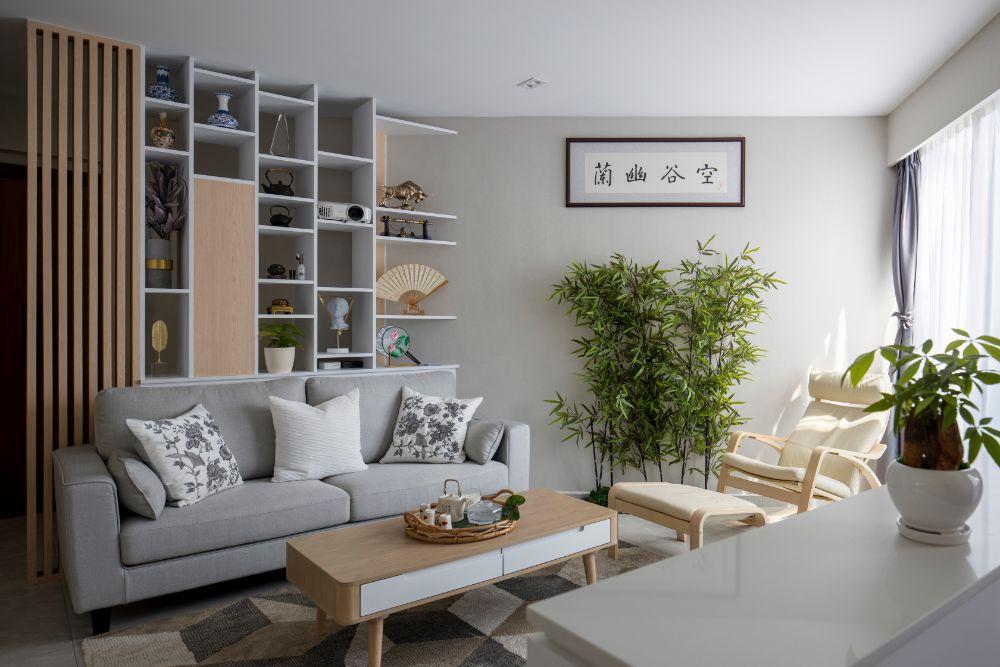
Regentville ($150,000) by Carpenters
Key Characteristics of Chinese Design:
- Symmetry and Balance: Chinese design emphasizes harmony and balance, often seen in symmetrical layouts and carefully curated decor. This balance reflects the principles of Feng Shui, promoting a sense of calm and equilibrium within the space.
- Natural Materials: Wood, bamboo, and stone are commonly used, often in dark, rich tones like mahogany or ebony. These materials bring warmth and a connection to nature, while their durability adds a timeless quality to the design.
- Ornate Details: Intricate carvings, lacquered finishes, and decorative motifs like dragons or floral patterns are hallmarks of traditional Chinese design. These elements are not just decorative, but often carry symbolic meanings, adding layers of cultural significance to the space.
- Minimalist Modernity: Contemporary Chinese interiors often feature clean lines, neutral palettes, and a focus on functionality. This modern approach strips away excess, emphasizing simplicity and elegance while maintaining a deep respect for tradition.
How to Apply It in Singapore:
- Use Dark Wood Furniture: Incorporate dark wood furniture with clean lines, such as a console table or bookshelf, to add a touch of Chinese elegance. These pieces introduce timeless sophistication and warmth to your space.
- Add Decorative Accents: Display Chinese-inspired decor like porcelain vases, calligraphy art, or silk cushions to bring in cultural elements. These accents infuse your home with a sense of heritage and beauty, making the space feel rich in tradition.
- Create a Zen Corner: Dedicate a small space to mindfulness with a low table, floor cushions, and a few carefully chosen decor pieces. This creates a tranquil retreat where you can relax, meditate, or simply enjoy a moment of calm.
3. Indian Heritage (India)
India’s design aesthetic is a rich tapestry of colors, patterns, and textures, deeply rooted in cultural heritage and spiritual traditions. Indian interiors often blend opulence with simplicity, incorporating a vibrant mix of textiles, ornate furniture, and handcrafted details that tell a story of craftsmanship and history.
This style is perfect for Singaporeans who want to create a warm, welcoming atmosphere with a rich, cultural flair. Whether inspired by the palatial luxury of Rajasthan or the serene simplicity of a rural village, Indian design brings a sense of richness and spiritual calm. The fusion of luxurious silks, hand-painted ceramics, and intricate woodwork evokes a sense of timeless beauty that’s both bold and serene.
Key Characteristics of Indian Design:
- Rich Textiles: Fabrics like silk, cotton, and wool, often in bright, bold patterns and vibrant hues, are central to Indian interiors. These textiles add warmth, texture, and a sense of opulence to any space.
- Intricate Woodwork and Carvings: Indian furniture often features ornate carvings, whether in wood or metal, adding a touch of traditional artistry and a sense of history. These hand-carved elements become focal points, offering both aesthetic appeal and craftsmanship.
How to Apply It in Singapore:
- Incorporate Rich Textiles: Use colorful cushions, throws, and rugs in silk, cotton, or wool to bring vibrant patterns and texture to your space. These textiles will infuse your home with a lively, luxurious feel.
- Add Ornate Furniture: Choose wooden or metal furniture with intricate carvings to create focal points in your rooms. These pieces will add elegance and a sense of cultural heritage to your home.
- Incorporate Spiritual Accents: Add items like incense burners and lanterns to introduce a calming, spiritual element to your decor. These accents will create a serene and welcoming environment in your home.
4. Australian Coastal & Bushland (Australia & New Zealand)
Inspired by the rugged beauty of Australia’s coastlines and the earthy tones of New Zealand’s bushland, this design style is all about relaxed, natural living.
It captures the essence of the great outdoors, blending the light, airy vibes of coastal design with the raw, organic textures of the outback, resulting in a space that feels both fresh and grounded. The design reflects the wide-open spaces, sweeping landscapes, and the simplicity of nature, creating a sanctuary that invites relaxation and connection to the environment.
Coastal elements bring in soft, neutral color palettes inspired by sand, sea, and sky, often incorporating light woods, crisp whites, and calming blues. These elements evoke a sense of tranquility, reminiscent of coastal living.
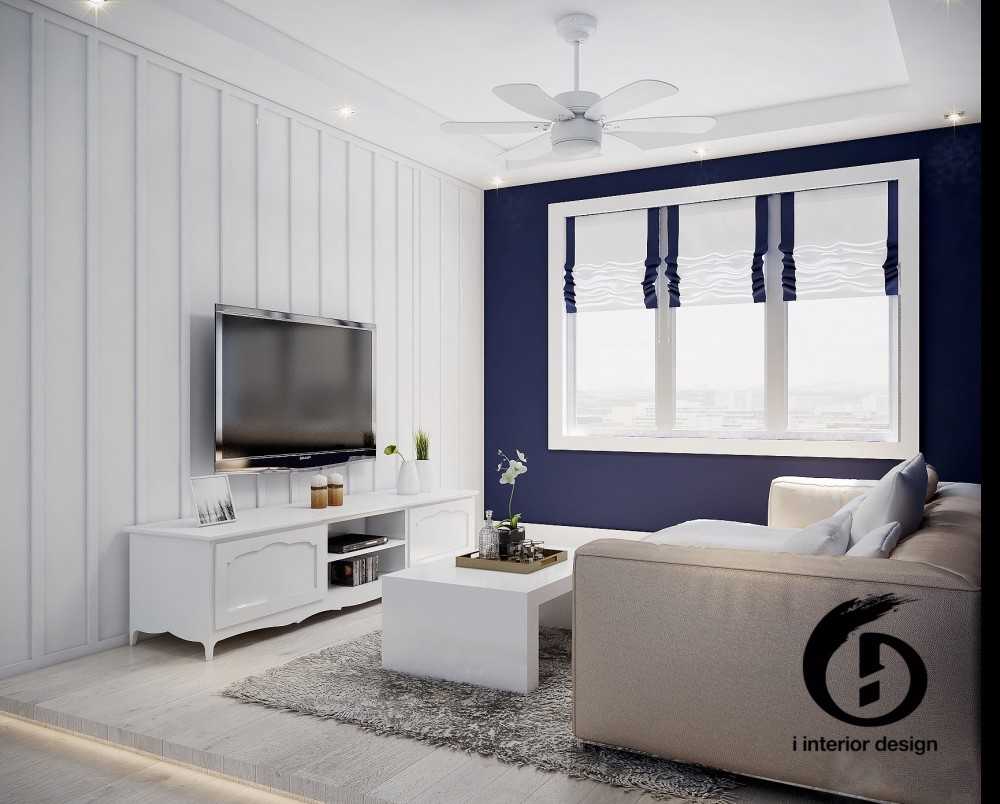
Nautical Interior Design ($15,000) by I Interior Design
In contrast, the influence of the Australian outback and New Zealand’s bushland introduces a more earthy, rugged quality with the use of natural materials like stone, leather, and reclaimed timber. Raw textures, such as woven baskets, textured linens, and earthy ceramics, add depth and warmth to the space, while indigenous art and handcrafted accents bring in a personal touch.
Key Characteristics of Australian Coastal & Bushland Design:
- Neutral, Earthy Tones: Think sandy beiges, soft greys, and muted greens, inspired by the natural landscape. These calming shades create a serene environment that reflects the simplicity and beauty of the Australian outdoors.
- Raw Textures: Materials like weathered wood, jute, and linen add depth and character to the space. These tactile elements not only enhance the aesthetic but also evoke the ruggedness and authenticity of the Australian environment.
- Coastal Elements: Nautical accents like rope details, driftwood decor, and seashell motifs bring a touch of the ocean indoors. These elements evoke the breezy, relaxed atmosphere of coastal living, enhancing the sense of connection to the sea.
- Bushland Inspirations: Incorporate elements like eucalyptus branches, terracotta pots, and natural stone to evoke the Australian outback. These features bring an earthy, organic vibe to the space, grounding the design in the natural beauty of the bushland.
How to Apply It in Singapore:
- Use Natural Textures: Layer rugs, cushions, and throws in materials like jute, linen, and wool to create a cozy, textured look. These organic fabrics add warmth and depth, enhancing the relaxed, natural aesthetic.
- Add Coastal Accents: Introduce nautical elements like rope mirrors, driftwood decor, or blue-and-white striped textiles. These touches evoke the calming, breezy vibes of coastal living, bringing a fresh, beachy feel to your space.
- Bring in Greenery: Use potted plants like eucalyptus or succulents to add a touch of the bushland to your home. These plants not only bring color and life but also connect your interior to the natural beauty of Australia’s landscapes.
4. Alpine Chalet Aesthetic (Switzerland, Austria, Germany)
The Alpine Chalet aesthetic is all about warmth, coziness, and a connection to nature. Inspired by the snowy mountains and rustic charm of the Alps, this style creates a welcoming retreat that feels like a permanent vacation.
Rich natural materials like wood and stone dominate the design, with large fireplaces, wooden beams, and plush textiles that add comfort. The color palette features warm tones such as deep browns, soft neutrals, and accents of red or green, creating an inviting atmosphere.
Furnishings are sturdy and comfortable, with cozy sofas, wooden dining tables, and decorative elements like antler chandeliers that bring a touch of alpine charm. This style is perfect for creating a peaceful, rustic haven where relaxation and connection to nature are at the forefront.
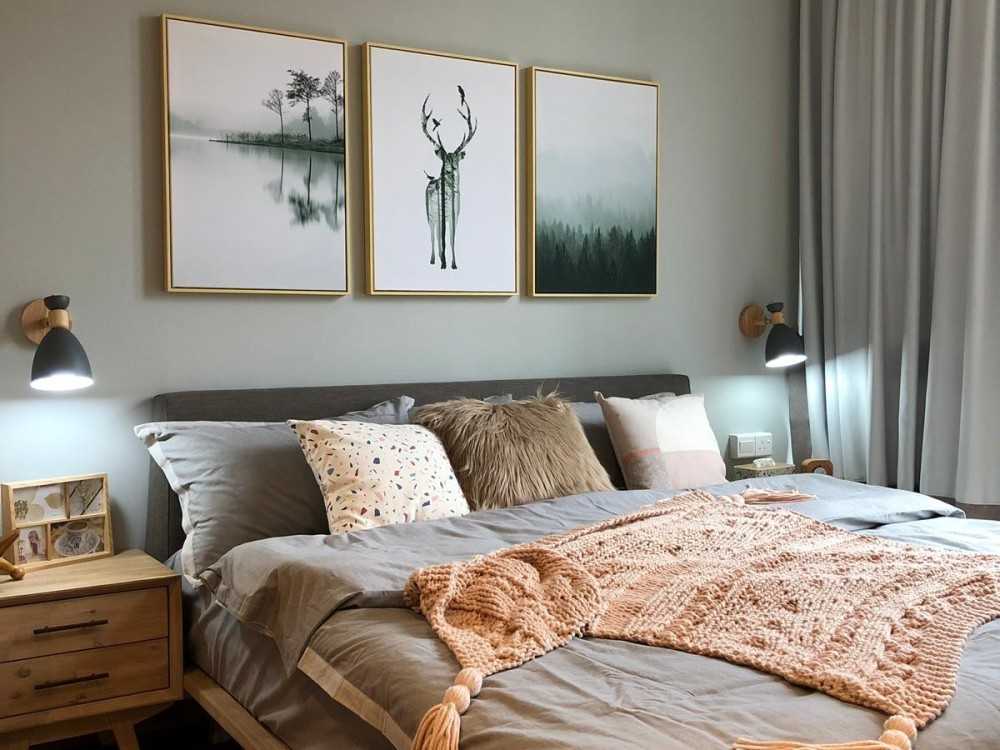
Treasure Crest (Rustic-Scandi) ($55,000) by Mr Shopper Studio
Key Characteristics of Alpine Chalet Design:
- Wooden Interiors: Exposed wooden beams, paneled walls, and hardwood floors are key features of this style. These natural materials create a warm, rustic atmosphere that connects the interior to the surrounding alpine landscape.
- Cozy Textiles: Think plush throws, faux fur rugs, and knitted cushions that add warmth and comfort. These soft textures create a snug, inviting environment perfect for relaxation after a day in the mountains.
- Earthy Tones: A palette of browns, creams, and forest greens creates a natural, inviting atmosphere. These colors reflect the mountain environment, blending seamlessly with the surrounding landscape to create a sense of calm and tranquility.
- Rustic Accents: Chandeliers, stone fireplaces, and vintage decor add character and charm. These unique details evoke the rustic, timeless beauty of alpine lodges, infusing the space with a sense of history and craftsmanship.
How to Apply It in Singapore:
- Incorporate Wooden Elements: Use wooden furniture, beams, or paneling to create a rustic, chalet-inspired look. These natural wood features add warmth and texture, giving your space a cozy, alpine vibe.
- Layer Cozy Textiles: Add warmth with faux fur rugs and knitted throws. These soft, tactile elements enhance comfort and create an inviting atmosphere, perfect for relaxing.
- Use Earthy Colors: Stick to a neutral, earthy palette to create a calming, nature-inspired space. Shades of brown, cream, and soft greens will evoke a peaceful, grounded environment that brings the outdoors in.
5. African Design (Morocco, South Africa, Nigeria, Kenya)
African design is a celebration of bold patterns, rich textures, and vibrant colors, deeply rooted in cultural symbolism and history. It seamlessly blends traditional tribal elements with modern luxury, resulting in a dynamic and visually striking aesthetic.
Traditional motifs, such as geometric shapes, animal prints, and symbolic artwork, often inspired by African tribal heritage, are incorporated into furniture, textiles, and décor, adding depth and meaning to the space.
The use of earthy materials like wood, stone, and leather is common, grounding the design in nature while offering a tactile richness. Vibrant colors, including rich reds, oranges, yellows, and earthy browns, evoke the warmth of the African landscape, while gold and metallic accents introduce a touch of modern luxury.
Key Characteristics of African Design:
- Bold Patterns: Geometric prints, tribal motifs, and animal prints are central to this style. These striking patterns are deeply rooted in cultural symbolism, creating visually dynamic spaces with meaning.
- Rich Colors: Deep reds, oranges, blues, and greens are often used to create a vibrant, energetic atmosphere. These colors reflect the richness of African landscapes, evoking warmth, vitality, and a sense of celebration.
- Natural Materials: Wood, clay, leather, and woven textiles are commonly used, adding an organic touch. These materials bring texture and depth, connecting the design to the earth and showcasing the beauty of natural elements.
- Handcrafted Decor: Artisanal pieces like beaded baskets, carved wooden sculptures, and handwoven rugs add authenticity and character. These handmade items not only enhance the design but also carry cultural significance, telling stories through craftsmanship.
How to Apply It in Singapore:
- Use Bold Textiles: Incorporate African-inspired prints in cushions, throws, or wall art to add a pop of color and pattern. These textiles will inject vibrancy into your space, creating a lively atmosphere that contrasts beautifully with minimalist surroundings.
- Add Handcrafted Accents: Display artisanal decor like beaded baskets, wooden carvings, or clay pottery to bring in cultural elements. These pieces will add texture and authenticity, connecting your home to the rich traditions of African craftsmanship.
- Mix Modern and Traditional: Pair bold patterns with sleek, modern furniture for a balanced, contemporary look. This fusion creates a striking contrast, ensuring the space feels fresh while honoring the cultural heritage behind the design.
Using Global Design Trends To Inspire Your Home
From the tropical serenity of Bali to the bold vibrancy of African design, these global styles offer endless inspiration for creating a home that reflects your personality and experiences. By blending these elements with your local context, you can design a space that feels both worldly and uniquely yours.
Want to check out home renovation projects for more inspiration? Browse interior design ideas on Hometrust, or click the button below to get connected with expert designers!
Renovating soon? Let Hometrust recommend the best interior designers.
If you are reading this, you are probably wondering how you can create your dream home.
Here’s the thing, everyone’s needs and requirements for their home renovation is different. A designer that may work for someone else, may not quite work for you.
At Hometrust, we’re here to help match top rated designers, recommended by past homeowners to you through our data-driven and matching algorithm.
Whether you are looking for partial renovation or a full fledge overhaul, we’ll be able to recommend you top designers to match your renovation requirements and lifestyle.
Recommendations and free and you can simply start by helping us understand your needs below!
Get RecommendationsRenovate safe!
The Hometrust Team